



Trump Patriot Games is not just a headline grabbing phrase. It has become a loud cultural moment that blends politics, sports, spectacle, and raw emotion. When President Donald Trump first talked about the idea, reactions spread quickly across the country. Some Americans cheered with pride. Others expressed concern. Many asked if this moment resembled the Hunger Games playing out in modern America.
I followed the announcement closely. I listened to the wording. I watched reactions unfold across major news outlets and social platforms. As a result, I formed clear opinions. When people hear Trump Patriot Games, they often expect chaos or controversy. However, the reality feels more layered. The concept focuses on a new athletic competition designed to highlight youth, discipline, and national identity. It aims to project strength rather than shock value.
At the same time, the Patriot Games sit within the Freedom 250 initiative. This program marks the 250th anniversary of the United States. Through official statements and public remarks, Trump framed the celebration as a historic national milestone. He positioned the games as one of its most visible centerpieces.
According to early announced plans, the event features high school athletes from every state and territory. Each team sends one young man and one young woman to compete in a multi-day format. That structure immediately sparked debate nationwide. It raised questions about representation, fairness, and the future of youth sports. Still, one fact remains clear. The Patriot Games have already captured America’s attention.
Trump Patriot Games: Freedom 250 and the Vision for America’s 250th Birthday

The Trump Patriot Games anchor the broader Freedom 250 initiative, which marks America’s 250th birthday with a yearlong national celebration. From the beginning, President Donald Trump framed this anniversary as a defining moment for the country. In public remarks and official briefings, he emphasized scale, visibility, and global attention. He described the milestone as a rare chance to remind the world of America’s history, influence, and resilience. Because of that vision, he promoted the celebration as the most spectacular birthday party the nation has ever planned. That language set the tone immediately and signaled that this would go far beyond traditional ceremonies.
At the same time, Trump designed Freedom 250 to unfold across the entire calendar year. The plan includes parades, national ceremonies, athletic events, and cultural tributes that highlight American identity. According to statements released by federal organizers and covered by major U.S. news outlets, the goal focuses on unity, civic pride, and youth involvement. Within that framework, the Patriot Games serve as a modern centerpiece. By spotlighting young athletes, the event connects the nation’s founding principles with its future generation. Trump repeatedly stressed that youth, discipline, and competition reflect the country’s enduring strength.
The celebration begins with a highly symbolic moment. Organizers confirmed that the Washington Monument will light up on New Year’s Eve, officially launching the Freedom 250 year. That visual sends a clear message. It signals national focus, historical significance, and global visibility. Together, these elements shape an anniversary strategy that blends tradition with spectacle while keeping America firmly at the center of the story.
READ ALSO: Charlie Kirk Funeral: Everything From the Mourners to Trump’s Eulogy
Why President Trump Favors Grand Public Events

If you follow President Donald Trump, you quickly notice a consistent pattern. He favors size, visibility, and moments that dominate attention. From campaign rallies to national parades, he uses large public gatherings to shape narrative and energy. Major U.S. news outlets have repeatedly noted how Trump treats spectacle as a political tool, not a side effect. He understands that big crowds signal momentum. He also knows that visual impact travels faster than policy language. As a result, flags, music, strong imagery, and patriotic symbolism often anchor his public appearances. These elements energize supporters and keep the national conversation focused on his message.
Because of that approach, a four day athletic event in the nation’s capital fits his style perfectly. The Patriot Games combine competition, youth, and national pride in a setting loaded with symbolism. Cameras capture every angle. Flags frame every scene. Cheering crowds amplify emotion. Continuous coverage extends the reach far beyond Washington. At the same time, the broader 250th anniversary celebrations build toward a dramatic conclusion. Organizers confirmed that the year will culminate in a Salute to America on Independence Day. That finale includes fireworks and a major presidential address, reinforcing Trump’s preference for high-impact moments.
Moreover, Trump often speaks about unity during these events. He regularly frames celebration as a tool to bring Americans together. In line with that message, planners scheduled a National Prayer Event on the National Mall as part of the anniversary program. That decision reflects his belief that shared rituals strengthen national identity. By combining prayer, celebration, and spectacle, Trump reinforces a familiar strategy. He turns public events into defining moments that blend emotion, visibility, and political meaning.
Trump Announces the Patriot Games and Reaction Follows

Why the Hunger Games Comparison Keeps Appearing

The Hunger Games comparison did not appear randomly, and critics did not invent it out of thin air. A national contest that features young competitors, massive crowds, and heavy political symbolism naturally invites cultural parallels. Media analysts from major U.S. outlets have pointed out that modern audiences often process large scale events through familiar pop culture frames. When politics, youth, and competition collide on a national stage, people search for comparisons they already understand. As a result, the Hunger Games narrative surfaced quickly and spread fast. It offered a shortcut for expressing discomfort, skepticism, or fear about spectacle overpowering substance.
However, context matters, and the comparison breaks down under closer scrutiny. The Patriot Games do not place participants in danger. They do not force survival scenarios. Instead, they center on athletic competition, discipline, and structured rules. Sports historians and commentators have emphasized that nations often use athletic events to project identity and unity. From international tournaments to national youth showcases, competition has long served as a symbolic tool. The Patriot Games follow that tradition, even if the scale feels unusually large. Comparing the event directly to a dystopian battle exaggerates the reality, even while it reflects public anxiety.
Still, optics matter deeply in modern America. In a media driven environment, perception often moves faster than facts. Visuals, language, and framing shape interpretation before explanations catch up. Cultural critics have noted that dramatic imagery can unintentionally trigger extreme comparisons, especially when politics enters the picture. The Patriot Games sit at that intersection. They combine youth, nationalism, and spectacle in a way that invites strong emotional reactions. Whether fair or not, the Hunger Games comparison persists because it captures unease about power, performance, and symbolism in a highly visible public moment.
High School Athletes at the Center of the Games

Gender, Fairness, and Women’s Sports Debate

The male and female pairing at the heart of the Patriot Games triggered immediate debate around women’s sports. Critics focused on fairness and long standing concerns about playing in women’s sports. In recent years, major sports governing bodies, legal experts, and athletic associations have openly debated how to protect competitive balance while respecting inclusion. As a result, any national level athletic event involving gender categories now draws scrutiny. Commentators across mainstream U.S. media outlets noted that youth sports already sit under intense pressure. Adding a political spotlight amplifies that tension. For many critics, the concern centers on safeguarding fair competition for female athletes who train within sex based categories.
In response, President Donald Trump addressed the issue directly and without hesitation. He stated clearly that the Patriot Games would not allow men playing in women’s sports. He explicitly confirmed that men would not participate in women’s competitions during the event. Trump framed this assurance as a matter of fairness and protection for female athletes. His statement echoed positions he has taken publicly in past policy discussions and campaign speeches. Supporters viewed the response as decisive and reassuring. They argued that clear rules reduce confusion and protect competitive integrity at a national event.
Still, the debate remains emotionally charged. Advocates for women’s athletics stress that clarity matters, especially at high visibility competitions involving minors. At the same time, critics question whether political framing intensifies a complex issue rather than resolving it. Sports analysts point out that youth events thrive when focus stays on performance, development, and well being. The Patriot Games now sit at that intersection. They aim to celebrate athletic excellence while navigating one of the most sensitive conversations in modern sports.
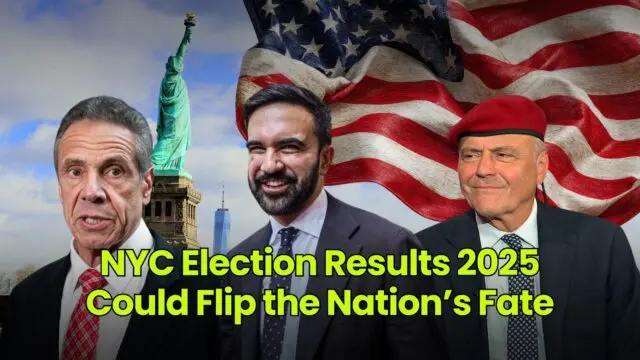
READ ALSO: NYC Election Results 2025 Is In And It Could Flip the Nation’s Fate
The National Mall and Historic Symbolism

Hosting the Patriot Games on the National Mall carries real historical and cultural weight. This space does more than host crowds. It anchors American memory. For decades, the Mall has framed moments that shaped the nation’s identity. Civil rights marches, presidential inaugurations, and national commemorations all unfolded here. Because of that history, placing a major athletic event on this ground sends a clear message. It ties competition directly to national identity, civic pride, and shared memory. As a result, the location elevates the games beyond sport and turns them into a symbolic national moment.
At the same time, nearby landmarks deepen that symbolism. The Lincoln Memorial stands as a reminder of unity, sacrifice, and unfinished progress. Every image captured near it carries historical resonance. When athletes compete within view of such monuments, the setting frames them as part of a larger American story. This context shapes how audiences interpret the event. It adds gravity, whether supporters welcome it or critics question it. Either way, the setting ensures that the games do not feel ordinary.
In addition, the Mall will also host the Great American State Fair, which expands the celebration’s reach. Organizers plan pavilions from all 50 states, creating a physical map of the nation in one place. These spaces will highlight regional culture, history, and local pride. Monuments honoring American heroes will further reinforce themes of service and sacrifice. Together, these elements transform the Mall into a living exhibition of national identity. Through location alone, the Patriot Games gain meaning that no stadium could replicate.
Memorial Day, Flag Day, and Honoring Fallen Soldiers

The Salute to America and Triumphal Finale

The Salute to America stands as the planned climax of the 250th anniversary celebrations, set for Independence Day. According to statements reported by major U.S. news organizations, organizers designed this event to deliver maximum national visibility. The program includes large scale fireworks and a major presidential address, placing the message of national pride at the center of the holiday. Trump framed this finale as a moment for reflection and projection. He emphasized history, strength, and continuity, while using Independence Day’s symbolism to anchor the celebration emotionally. As a result, the Salute to America functions not just as entertainment, but as a statement of national identity.
At the same time, Trump openly leaned into grand imagery. He referenced plans for a triumphal arc inspired by the Arc de Triomphe, signaling his preference for bold visual symbolism. This reference drew immediate attention because it echoed earlier moments when Trump praised large scale national monuments and ceremonial displays. Political analysts noted that such imagery aligns with his broader approach to public events. He favors strong visuals that communicate power, history, and permanence without relying on lengthy explanations. The ambition behind the idea left little room for subtlety.
Moreover, this finale ties together the entire anniversary narrative. Throughout the year, the celebrations build momentum through athletic events, parades, and commemorations. The Salute to America brings those elements into one defining moment. Fireworks create spectacle. The presidential address delivers messaging. The proposed monument imagery reinforces scale. Together, these elements reflect Trump’s belief that national milestones deserve unmistakable presence. Whether praised as patriotic or criticized as excessive, the finale aims to leave a lasting impression on both Americans and the global audience watching.
Great American State Fair Energy and Public Appeal

UFC Fights, Dana White, and Entertainment Power

Plans to include a UFC fight or even a full UFC event immediately raised the entertainment stakes of the Freedom 250 celebration. According to reporting from major U.S. media outlets, organizers discussed hosting a UFC fight on the South Lawn of the White House on Flag Day, which also falls on President Trump’s birthday. That detail alone drew widespread attention. The White House lawn rarely hosts sporting events, especially combat sports. By choosing this setting, Trump once again signaled his preference for bold visuals and unconventional moments that dominate headlines and social media feeds.
At the same time, the involvement of UFC CEO Dana White adds credibility and star power. Trump and White share a long public relationship that dates back years, and Trump has repeatedly praised the UFC’s growth and discipline. Media analysts have noted that UFC events attract a younger and highly engaged audience, many of whom consume content primarily through short clips and highlights. That audience aligns closely with Trump’s modern media strategy. Mentions of appearances by greatest champion fighters further amplify anticipation. Big names translate into ratings, viral moments, and sustained coverage.
However, this move also shifts the tone of the celebration. The Patriot Games focus on youth athletics and national pride. A UFC fight introduces adult spectacle and raw intensity. Supporters see that contrast as intentional. They argue it reflects strength, competition, and resilience. Critics question whether combat sports belong in a national anniversary setting tied to remembrance and unity. Still, Trump appears comfortable navigating that tension. By blending elite athletics with high profile entertainment, he reinforces a consistent belief. Attention drives engagement, and engagement keeps America watching.
White House Involvement and Executive Authority

The White House holds a direct and visible role in shaping the Patriot Games, and that involvement immediately sets the event apart from traditional athletic competitions. Planning discussions trace back to the Oval Office, signaling presidential level oversight rather than symbolic endorsement. According to coverage from major U.S. news organizations, Trump has personally referenced the games when discussing the broader Freedom 250 agenda. That level of engagement reflects his leadership style. He prefers hands-on direction, especially for events tied to national identity. As a result, the Patriot Games carry the weight of executive attention from the earliest stages.
In addition, reports have surfaced about the possibility of an executive order to formalize aspects of the event. While no final order has been confirmed publicly, the discussion alone sparked debate. Legal analysts interviewed by mainstream outlets noted that executive orders often establish frameworks for federal coordination, funding, or security. In this case, an order could clarify responsibilities across agencies involved in logistics, safety, and public access. Supporters argue that formal authority ensures efficiency and coordination. They believe federal oversight helps manage an event of this scale responsibly.
However, critics continue to raise concerns about transparency and precedent. Government involvement in athletic events invites scrutiny, especially when youth competitors and political symbolism intersect. Watchdog groups and policy commentators have emphasized the importance of clear boundaries between civic celebration and political promotion. They argue that public trust depends on openness around funding, planning, and decision making. Trump appears aware of these concerns but remains undeterred. He often frames executive authority as a tool for clarity and momentum. In the case of the Patriot Games, that approach reinforces his belief that national moments require decisive leadership rather than hesitation.
Fall Timing, Logistics, and Washington Pressure

Scheduling the Patriot Games for the fall reflects strategic planning rather than convenience. Organizers considered school calendars, travel demands, and athlete preparation. Fall timing allows schools and families to plan without disrupting exams or graduation cycles. It also provides more stable weather conditions compared to summer extremes. Event planners and logistics experts, cited by major U.S. news outlets, often favor fall for large outdoor gatherings because it reduces heat related risks and improves crowd management. As a result, the season supports both safety and attendance while keeping the focus on competition rather than climate challenges.
At the same time, hosting the event in Washington raises the stakes significantly. The nation’s capital attracts constant international media attention. Every decision, image, and moment will reach a global audience. That pressure affects security, transportation, and coordination across federal and local agencies. Analysts note that Washington already manages large scale events such as inaugurations and national demonstrations. However, combining youth athletics with national celebration adds complexity. Organizers must balance accessibility with safety while maintaining the event’s celebratory tone.
This fall event also signals momentum rather than conclusion. Officials have emphasized that the Patriot Games represent just the beginning of a longer celebration leading into America’s 250th anniversary year. Additional details continue to emerge, including plans to light the Washington Monument on New Year’s Eve to officially launch the anniversary. That moment sets a visual and symbolic starting point. From there, celebrations expand across months rather than days. By opening in the fall, planners create a runway that builds anticipation, visibility, and national focus well before the anniversary year reaches its peak.
The Trump Patriot Games and the Future of American Spectacle

The Trump Patriot Games sit squarely between inspiration and controversy, and that tension defines their future impact. On one hand, the event promises opportunity and exposure for youth athletes who rarely reach a national stage. Sports analysts and education focused outlets have long noted that visibility can open doors to scholarships, mentorship, and broader recognition. By placing young competitors at the center, the games highlight discipline, preparation, and ambition. At the same time, the event wraps those ideals in national symbolism. That combination excites supporters who see pride and unity reflected on a large stage.
However, the same visibility also creates risk. Cultural commentators and political analysts have warned that large scale spectacles tied to identity can deepen divisions if messaging overshadows participation. When politics, youth, and symbolism overlap, interpretation varies sharply. Some audiences focus on celebration. Others focus on power and intent. The Patriot Games amplify this divide because they operate in a media environment that rewards extremes. Coverage rarely stays neutral for long. Instead, narratives compete for dominance, and perception often moves faster than explanation.
Meanwhile, modern media dynamics will shape outcomes more than planning documents. Short video clips will flood platforms within minutes. Viral moments will frame the story before full context reaches the public. Media scholars frequently point out that spectacle now lives online first and in detail later. Trump understands this reality well. He has relied on visual dominance for years. Ultimately, the question is not whether the Patriot Games generate attention. They will. The real test lies in execution. If the focus remains on athletes and fair competition, unity becomes possible. If spectacle overwhelms substance, division will follow.
UP NEXT: Epstein Files Update: The Emails Allege That Trump Did WHAT?!
















4 Responses
You consistently choose to spread light and hope everywhere you go
Comments