



Alone time has a PR problem. Somewhere along the way, “doing something by yourself” became code for “nobody wanted me around,” and that’s genuinely ridiculous. Being alone and being lonely are not the same thing — and once you actually get that, a quiet evening in stops feeling like a consolation prize.
Your solo time can be some of the best time you have. Not in a sad, making-do kind of way — in a genuinely fun, nobody-is-judging-what-you’re-watching, fully yours kind of way. Here’s how to get there.
Why You Feel Guilty About Alone Time (And Why You Shouldn’t)

From pretty early on, being social gets rewarded. Packed calendar? Popular. Home alone on a Friday? Something must be off. That narrative buries itself deep and most people never stop to question it.
But the science says otherwise. Harvard Health’s research on mood and mental well-being consistently links intentional solitude to lower stress, sharper focus, and a stronger sense of self. And the American Psychological Association is clear on this: loneliness is painful disconnection you didn’t choose; solitude is time alone you did choose, and it’s a completely different thing.
The guilt isn’t logical — it’s conditioned. And conditioning can be unlearned.
READ ALSO: Self-Care Routine Ideas That Actually Fit Your Life
The FOMO vs. Reality Check
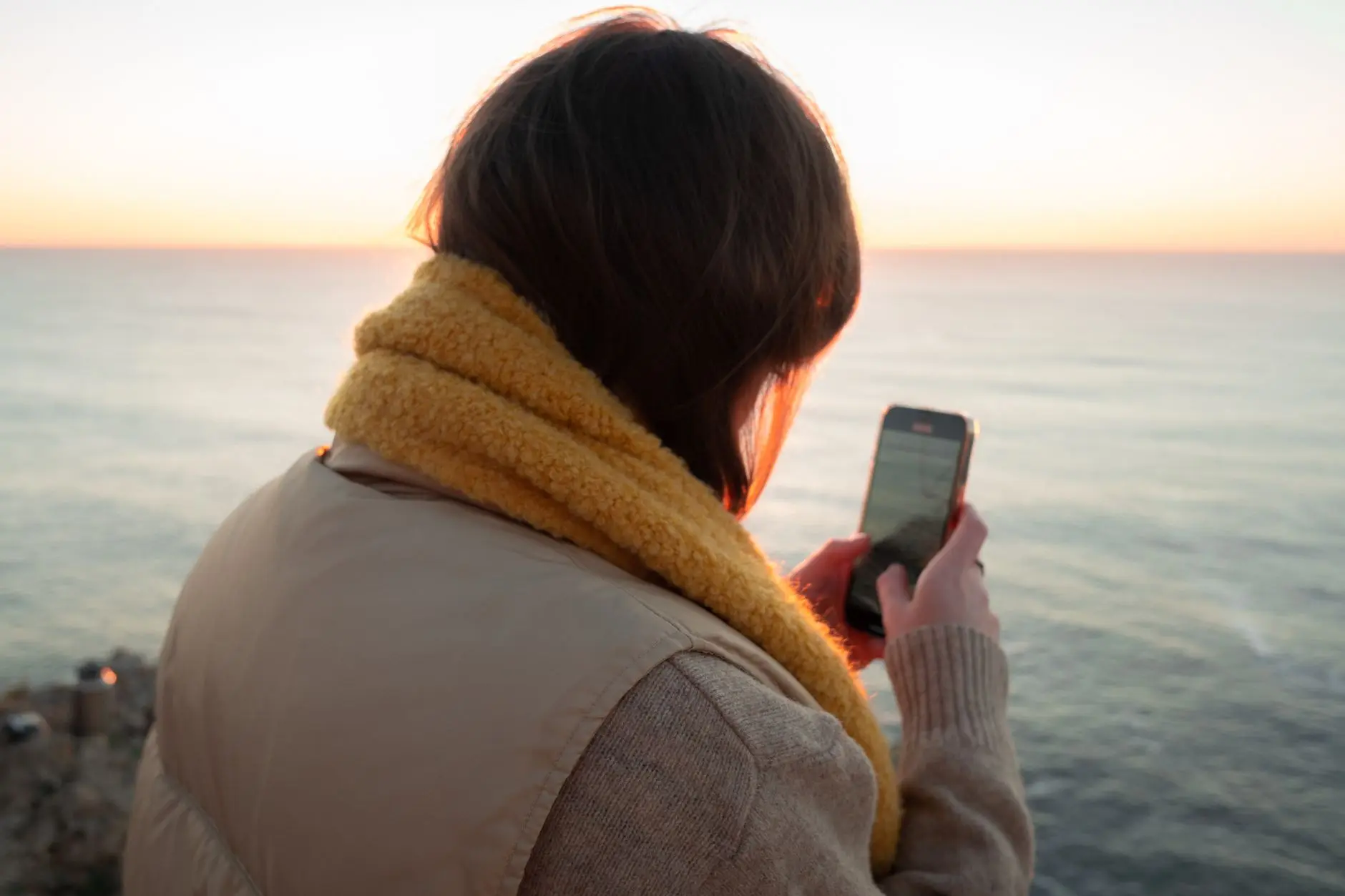
FOMO is built on a highlight reel. You see the tagged photos and imagine everyone had the time of their lives. What you don’t see: the twenty-minute argument about where to eat, the lukewarm appetizers, the 11 PM Uber that cost $40.
Researchers at UC Berkeley’s Greater Good Science Center have found that people consistently overestimate how much fun others are having and underestimate the value of their own quiet time. Your brain is genuinely bad at this comparison. Stop trusting it unchecked.
Next time FOMO hits, try the reality check: “Would I actually enjoy that, or do I just not want to miss the idea of it?” Honest answer, most of the time, is the second one. And your couch suddenly looks a lot more appealing.
There’s also solid evidence that solo time done right pays off over time. BBC Future has covered the research — people who are comfortable being alone tend to report higher overall life satisfaction. That’s not a personality type, it’s a skill.
READ ALSO: Mindfulness for Beginners: Zero Overwhelm, Actual Results
Solo Activities That Actually Feel Good

Let’s get specific, because “enjoy your own company” is advice that sounds nice and means nothing. Here are solo activities that genuinely deliver — not just endure.
- Cook something for yourself, properly. Not toast. An actual recipe you’ve been bookmarking for three months. The Serious Eats archives will ruin you in the best way — in a good-enough-to-eat-alone kind of way.
- Go somewhere solo, on purpose. A museum, a movie, a coffee shop with no agenda. The Guardian’s wellbeing coverage has noted the rise of intentional solo outings — more people are doing it, and most say it’s better than expected.
- Move your body, but make it fun. A walk with a podcast, a yoga class, a bike ride with no destination. Even light exercise has measurable mood benefits according to Mayo Clinic — and solo movement gives you full control over speed, route, and playlist.
- Read something you’d feel embarrassed to recommend. The pulpy thriller. The celebrity memoir. The graphic novel you’ve been pretending you’ll “get to eventually.” Nobody is grading your reading list.
- Learn something badly, on purpose. Pick up a hobby with zero pressure to be good at it — watercolor, guitar, sourdough, whatever. Psychology Today’s research on creativity shows that low-stakes learning is one of the best ways to get out of your own head.
The key is choosing things you’d actually want to do — not things you think you should want to do. Solo baking you hate is just lonely baking. Solo baking you love is a whole identity.
READ ALSO: Introvert Social Battery: Signs Yours Is Running Low (And What to Do)
The Mindset Shift That Changes Everything
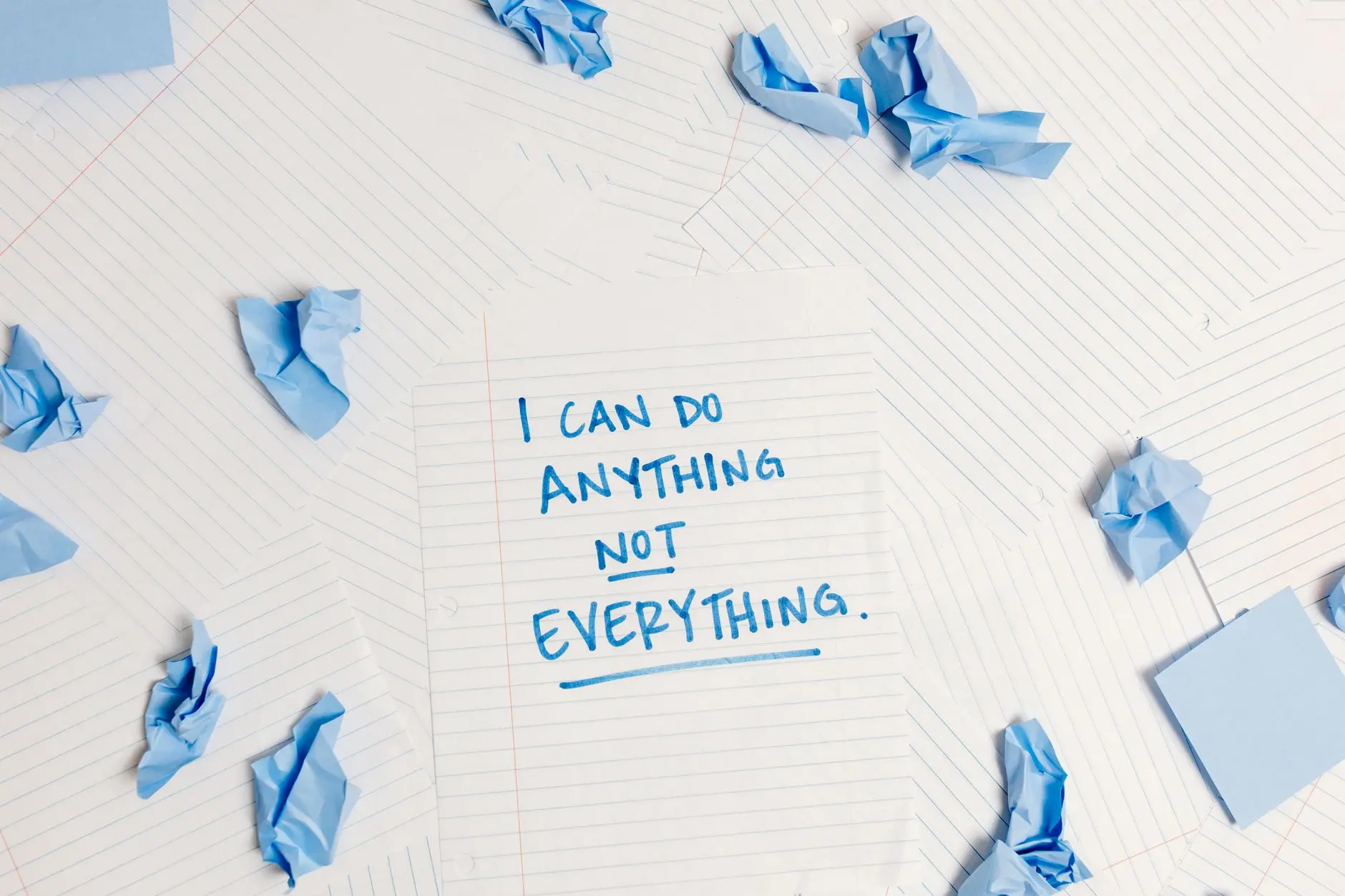
Here’s the reframe: stop treating alone time as what happens when social time doesn’t work out. Start treating it as something you’re scheduling on purpose, because it does something for you that other people genuinely can’t.
Psychologists describe this as “solitude as restoration” — the idea that time alone isn’t the absence of connection, it’s a different mental state that recharges the parts of you that social interaction depletes. Psychology Today’s overview of solitude research explains it well: for a lot of people, especially those who lean introverted, being around others is genuinely effortful, and needing to recover isn’t a character flaw.
Mindfulness helps here, but not in a “sit in silence for 30 minutes” kind of way — not if that’s not you. Even five minutes of intentional presence — phone down, noticing where you actually are — trains your brain to be okay in stillness. Headspace’s guided sessions are a low-commitment entry point if you want some structure to start.
The shift is subtle but real: from “I’m alone” (passive, it-happened-to-me) to “I have time to myself” (chosen, intentional). Same situation. Completely different energy. And if the quiet feels uncomfortable at first — that’s worth sitting with, not a signal to immediately fill the space. Cleveland Clinic’s breakdown of solitude versus loneliness is worth bookmarking for anyone who struggles here.
Your Solo Time Starter Kit
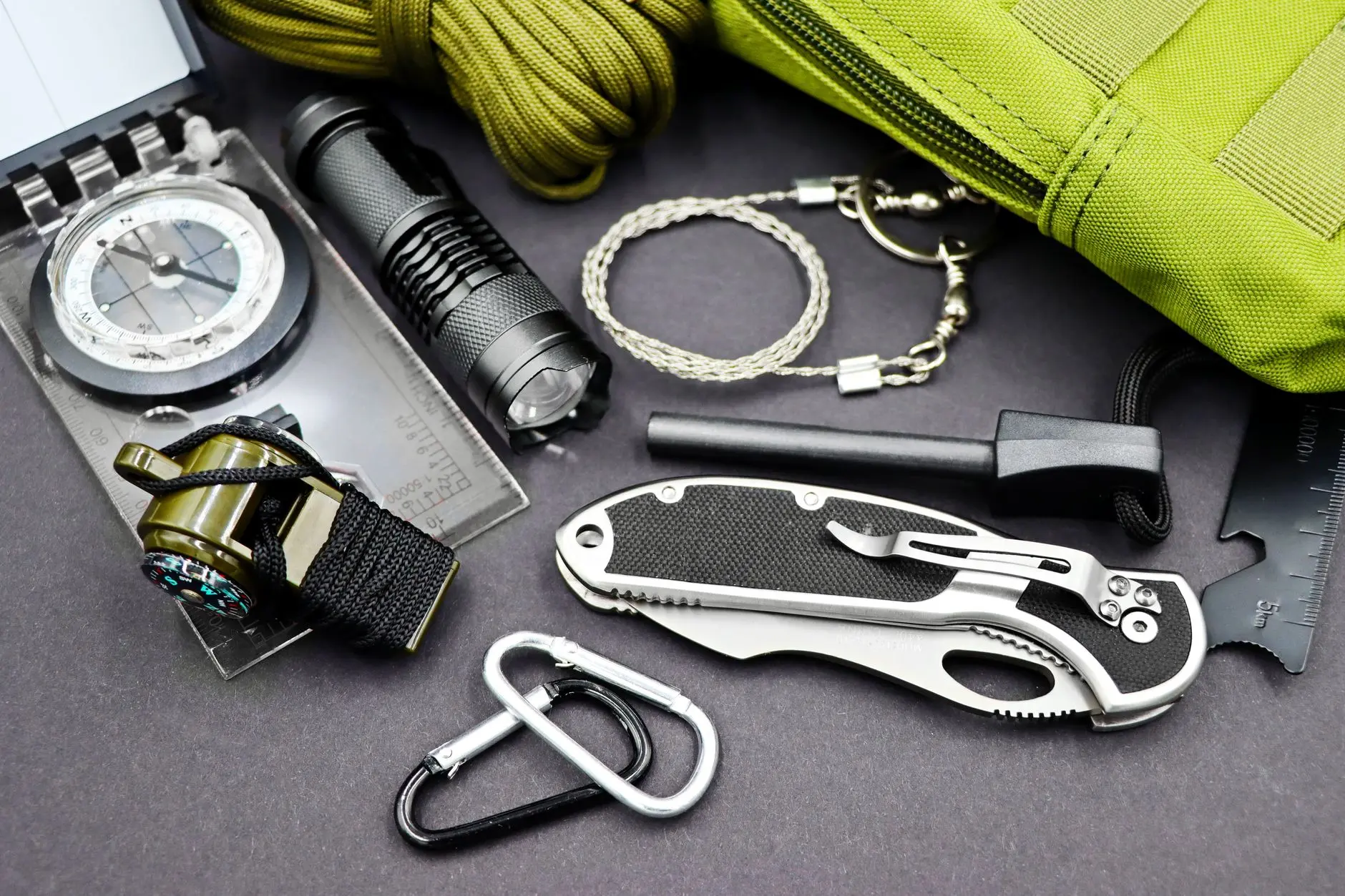
You don’t need a whole ritual, but a loose setup helps. Think of this as your default solo mode:
- Phone on Do Not Disturb, actually. Not “sound off but still checking.” DND for at least an hour. Scientific American’s research on mental downtime is clear that real rest requires actual disconnection — half-scrolling doesn’t count as recharging.
- One dedicated space. A chair, a corner, your kitchen table with the good candle. Anywhere that mentally signals “this is my time.” Your brain learns context faster than you think.
- Something to look forward to, pre-picked. The show, the book, the recipe, the project. Decide before the evening starts so you’re not standing around at 7 PM wondering what to do with yourself and ending up doom-scrolling for two hours.
- No performance required. You don’t have to be productive. You don’t have to post about it. Solo time that nobody knows about is still completely real and valid.
Start with one genuinely unscheduled hour a week. One unshared, un-Instagrammed, no-agenda hour. See what happens after a month of that.
READ ALSO: Building Self-Confidence: Small Moves That Actually Stick
The Bottom Line: Alone Can Be Really Good

You don’t have to love every solo moment. Some quiet evenings are fine; some are genuinely great; some make you want to text your friends because you want company — and that’s also completely valid. The goal isn’t to become someone who doesn’t need people. It’s to stop treating solitude like something you have to apologize for or fix.
Intentional alone time builds something hard to find anywhere else: a real, comfortable relationship with yourself. Harvard’s long-running research on well-being keeps circling back to the same finding — the quality of your relationship with yourself is one of the strongest predictors of how you’re doing overall. You can’t outsource that one.
So close the tab you opened to see if anyone texted. Make the thing you want to make. Watch the weird documentary. Take the long walk with no plan.
Your solo era starts now — and it turns out it’s actually kind of great.
For more smart-but-easy takes on everyday life, the DLM weekly newsletter is basically your witty friend in email form. One issue a week, useful stuff only.
UP NEXT: Signs You Need a Mental Health Day (And How to Actually Take One)
—















Comments