


Fall layering should be a vibe — not a guessing game that ends with you looking like you grabbed everything off the couch on the way out. The line between “intentionally styled” and “wearing all my clothes at once” is thinner than you’d think, and once you know the rules, you’ll clear it every time.
These are the fall layering basics that actually work: the principles, the order, and the shortcuts that keep you warm and looking like you meant to.
Why Layering Doesn’t Add Bulk (When Done Right)
Here’s the thing — layering itself doesn’t create bulk. Random layering does. When you stack pieces without thinking about fit, proportion, or how they interact, the result is more “padded room” than “street style moment.”
The fix is treating each layer as part of a system, not an add-on. Every piece should relate to the ones around it in fit and color. Vogue notes that the most flattering layered looks share one thing in common — a clear visual line running through the outfit, usually created by consistent color or deliberate fit contrast.
Once you start thinking that way, layering stops being a gamble.
READ ALSO: Building a Capsule Wardrobe That Actually Works for You
Start With a Fitted Base Layer

Your base layer is doing the heavy lifting, so make it count. A fitted base — slim turtleneck, ribbed tank, thin long-sleeve tee — gives you a clean foundation without adding width before you’ve even started.
Here’s why this matters: every layer you add on top takes the shape of whatever’s underneath. A bulky base means a bulky silhouette. A fitted base means actual structure to build on.
Good starting points:
- Ribbed fitted turtleneck — works under blazers, cardigans, and puffer vests
- Thin long-sleeve henley — low-key and endlessly versatile
- A basic fitted crewneck tee — sometimes the simplest base is the best base
Harper’s Bazaar recommends going thinner than you think you need at the base layer — once you’re moving in three layers, you’ll warm up faster than expected, and a thermal-weight base is a one-way ticket to overheating by noon.
Proportional Pieces: The Secret to Balance
This is the one principle that changes everything: balance your proportions. One fitted piece, one relaxed piece. That’s it.
Slouchy oversized sweater? Pair it with slim or straight-leg pants — not wide-leg trousers. Boxy jacket? Tuck your top and go slim on the bottom. The contrast between fitted and relaxed creates shape instead of swallowing it.
This matters even more when you’re working with proportional outfits on petite frames. Real Simple points out that petite layering works best when pieces stay close to the body or are clearly defined — a cropped outer layer, for example, keeps the vertical line intact instead of cutting the body in half. Good Housekeeping‘s style team makes the same call: when in doubt, contrast your volumes rather than matching them.
The shortcut version: big on top = small on the bottom. Big on the bottom = fitted on top. Done.
READ ALSO: Petite Fashion Tips: Dressing for Your Frame Without the Stress
Monochrome vs. Color Blocking
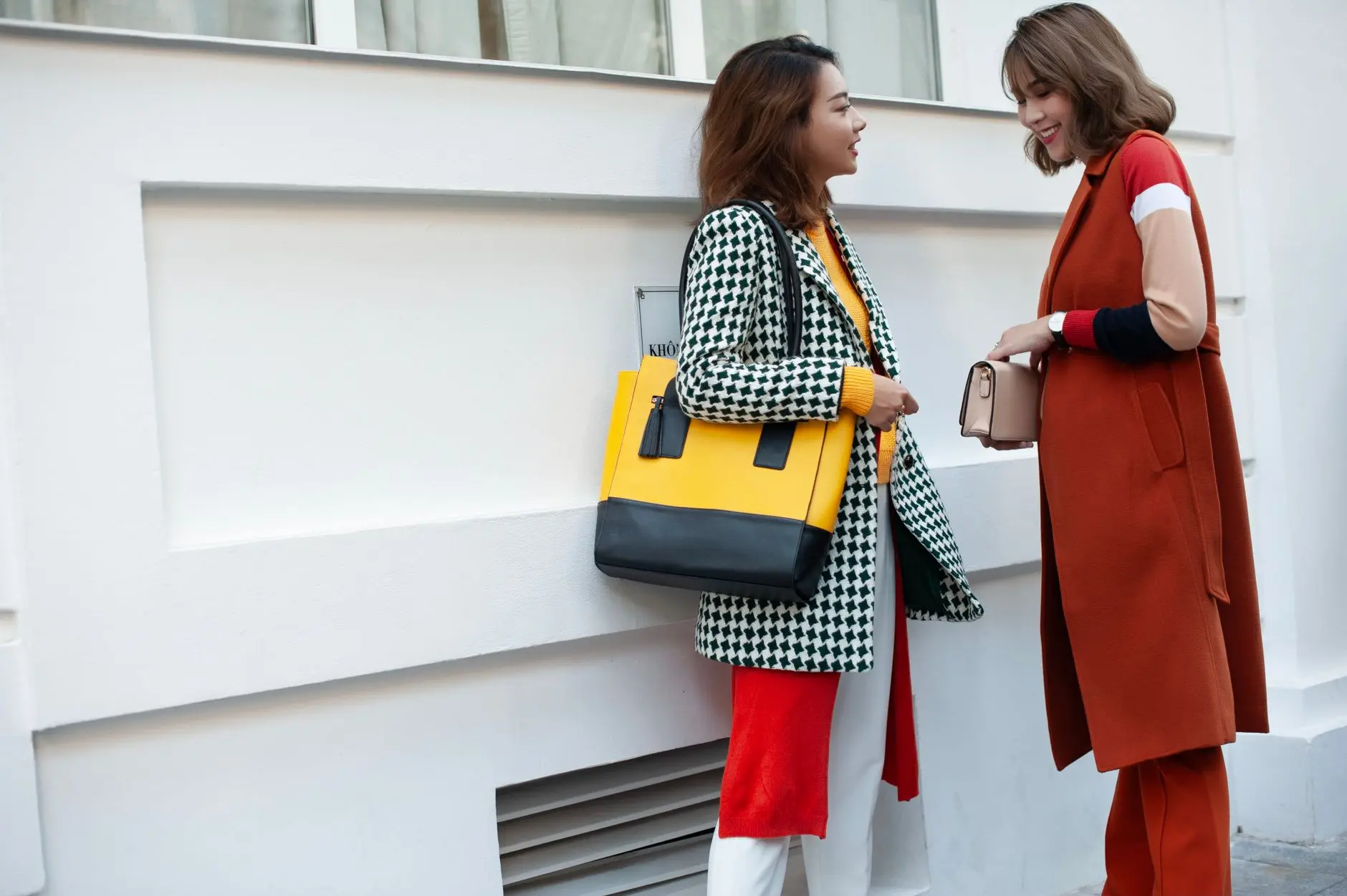
Color is one of the most underrated tools in a layered outfit — and your two main options produce very different results.
Monochromatic layering — wearing shades of the same color — is the fastest route to looking put-together without trying too hard. Tonal dressing (camel-on-cream-on-ivory, or burgundy-on-rust-on-wine) creates one long, unbroken visual line that reads as intentional and genuinely elongating. Glamour has called monochromatic layering one of fall’s most reliable tricks for good reason — it works on every body type and requires almost zero coordination effort.
Color blocking — distinct, contrasting sections of color — can work, but it’s trickier when you’re stacking multiple pieces. Contrast between colors can visually chop your silhouette into segments. If you go this route, stick to two colors max and be intentional about where the breaks land.
The low-stakes middle ground is neutral color layering: a warm, earthy palette (camel, olive, cream, rust, chocolate) where almost everything mixes without drama. Byrdie points out that warm fall neutrals are particularly forgiving because tonal colors naturally complement each other — you can build entire looks without matching a single thing.
READ ALSO: Neutral Wardrobe Essentials: The Colors That Go With Everything
How to Wear Oversized Pieces Without the Bulk
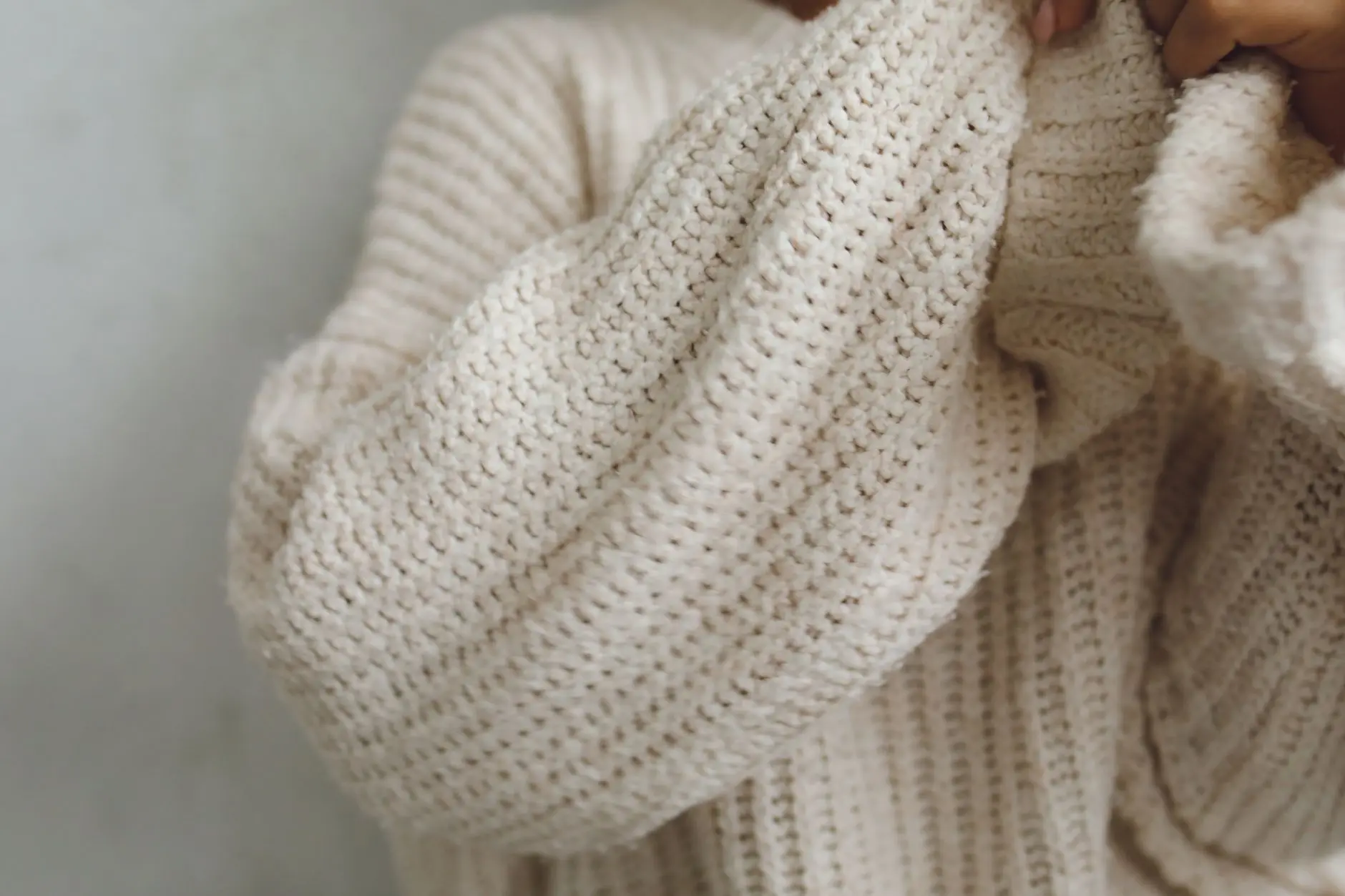
Oversized is not going anywhere. And it doesn’t have to add volume — it just needs a counterbalance.
The most useful trick in oversized styling is the tuck. A front tuck (front of your top tucked in, back left out) instantly creates a waist and breaks up a big silhouette. InStyle practically evangelizes the half-tuck for fall layering — it looks effortless and keeps proportion in check at the same time.
More ways to wear oversized without the bulk:
- Belt it. A belt over an oversized cardigan or coat pulls everything in and creates definition. Works especially well with longer pieces.
- Contrast with slim bottoms. An oversized top next to slim or straight pants communicates “I styled this” instead of “I’m wearing a tent.”
- Try cropped oversized. A boxy, cropped sweater gives you the relaxed energy of oversized without the length that swamps a silhouette.
- Layer the big piece last. Keep everything underneath fitted so the outer layer reads as a deliberate choice, not an accident.
The Cut has noted that the staying power of the oversized trend comes down to this exactly — it’s not really about “big clothes,” it’s about one relaxed element playing off something more structured. That push-pull is what makes it look intentional.
READ ALSO: Fall Outfit Ideas That Don’t Require a Pinterest Board
Textures That Add Interest, Not Volume
Texture is the difference between a layered outfit and a flat one — but where you place it matters just as much as what you choose.
Flat, smooth fabrics (silk, cotton twill, fine knit) stay close to the body and don’t add visual weight. Chunky, airy textures (thick cable-knit, sherpa, bouclé) add significant volume. Neither is wrong — it’s about placement.
- Put chunky textures where you want attention. A cable-knit over the shoulders reads great. A chunky knit wrapped around the midsection? Less so.
- Mix flat and textured, not textured on textured. A silky blouse under a tweed blazer is stunning. Two bulky textures stacked usually reads as too much going on.
- Suede, ribbed knit, and thin corduroy are the sweet spot — they add visual interest without puffing out.
Who What Wear describes transitional fall outfits as the best time to explore lightweight texture — pieces that look rich and interesting without the weight you’d need in deep winter. That’s the sweet spot for fall layering: interesting, not heavy.
On that note, Cosmopolitan‘s fashion editors frequently flag the ribbed-knit-under-blazer combination as one of fall’s most wearable texture pairings — warm, sleek, and requiring zero effort from the rest of the look.
Your Fall Layering Checklist
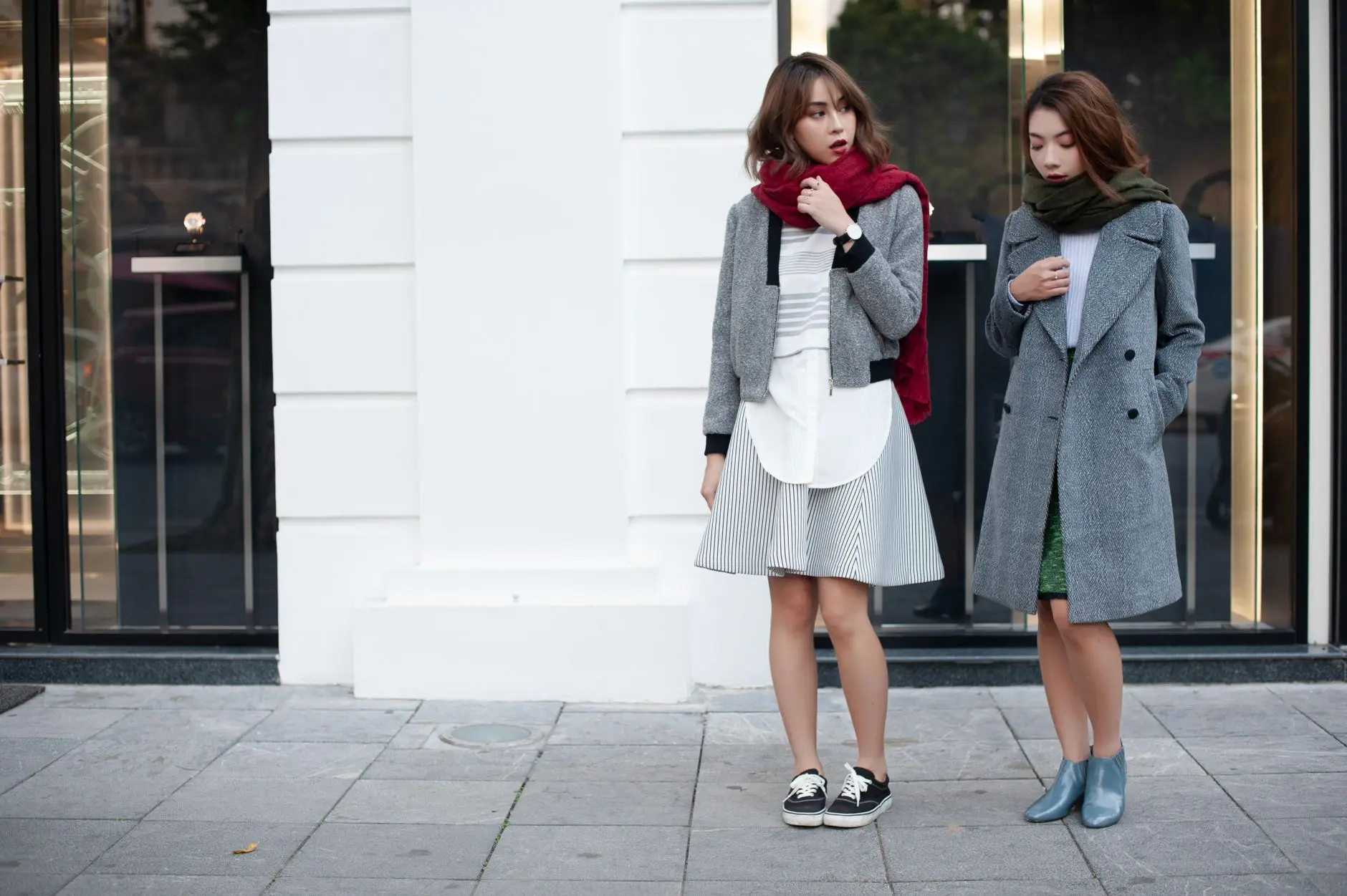
The quick version, for when you’re getting dressed and second-guessing everything:
- ✓ Fitted base layer — thin enough to not add bulk under anything else
- ✓ Balance one oversized piece with one fitted piece — never two big pieces at once
- ✓ Pick your color story: monochromatic for easy elegance, neutrals for flexibility, color blocking only with intention
- ✓ Front-tuck anything that runs long — instant waist, zero effort
- ✓ One textured piece max — let it be the focal point, not the whole conversation
- ✓ If it feels like too much, remove the last thing you put on
That last rule is genuinely the most useful one in styling. The edit is where a look gets good. One piece less is usually one piece better when it comes to fall layering that actually looks intentional.
Good fall layering isn’t about having more pieces — it’s about knowing which ones do the work. Start fitted, balance what goes on top, and use color and texture to add interest instead of size. Once those three things click, transitional dressing gets a lot more fun and a lot less stressful.
If you want a wardrobe where every piece plays well with others all season long, the DLM newsletter drops weekly finds, style ideas, and low-effort upgrades straight to your inbox. Worth a scroll, at minimum.
UP NEXT: How to Dress for Transitional Weather Without Losing Your Mind

















Comments