



Sleeping outside doesn’t have to mean waking up with a sore back and a mouth full of regret. Glamping — glamorous camping, in case you haven’t caught on yet — is the sweet spot between roughing it and blowing your budget on a resort you barely use. You get the fairy lights, the cozy bed, the s’mores situation, and the pine trees. All without the four-digit hotel receipt. Here’s how to do it without going broke.
The Budget Glamping Lowdown
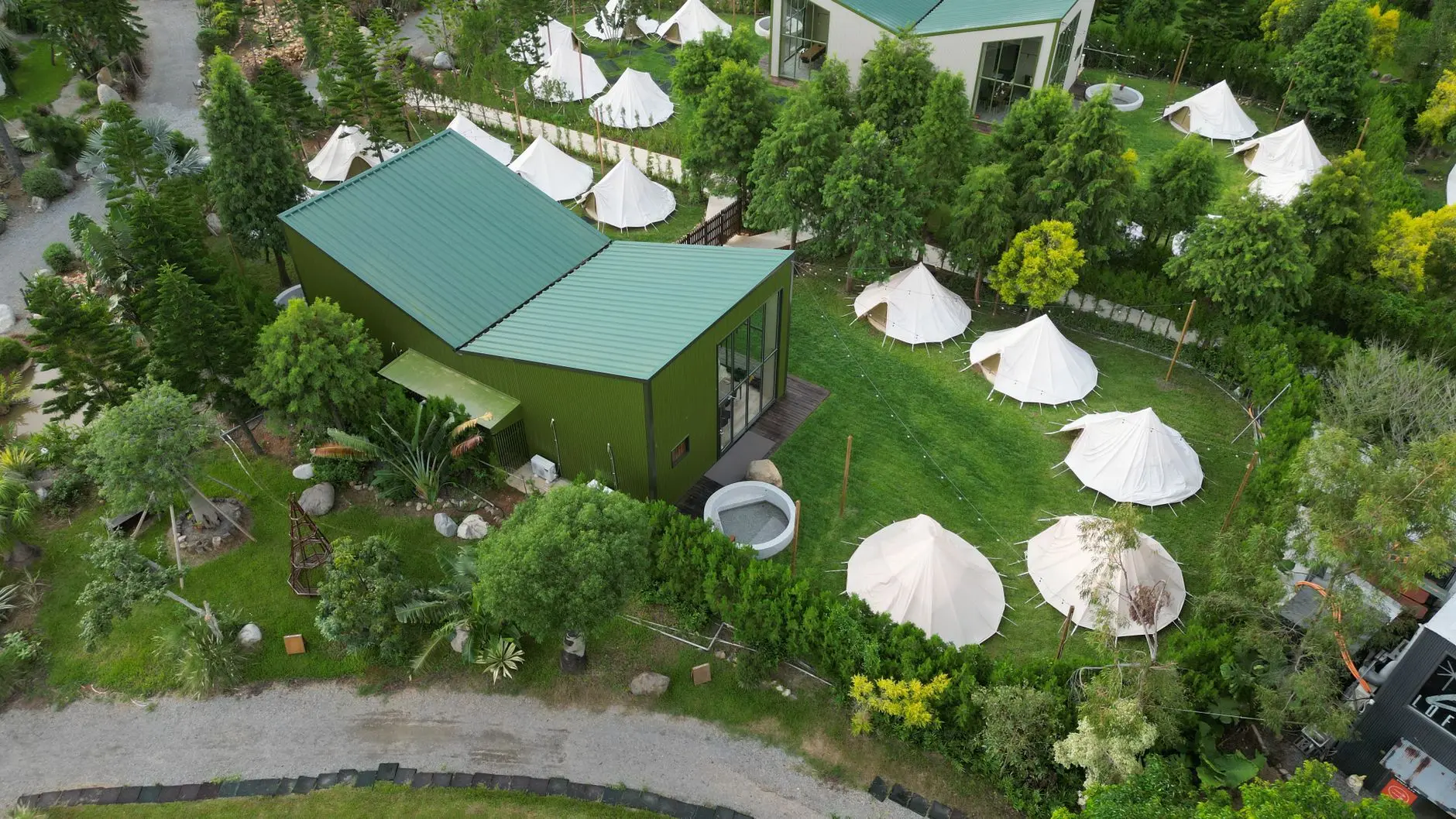
First, let’s talk money — because “glamping” can mean anything from a $75 canvas tent at a campground to a $900/night dome with butler service. The good news: the affordable end is way better than it sounds.
Most solid budget glamping experiences — think a real bed, electricity, maybe a wood-burning stove — land between $80 and $175 per night. That’s per accommodation, not per person, which makes it genuinely cheaper than a mediocre hotel for two. Platforms like Hipcamp and KOA Campgrounds have done a lot of work making this accessible. Hipcamp in particular lists everything from luxury safari tents to Airstreams to converted barns on private land, and you can filter by price until something actually fits your budget.
The key insight: you’re not just paying for a location. You’re paying for the setup. The bed is already made. The lanterns are already hung. That zero-effort arrival is the whole product — and for most people, that’s genuinely worth $120/night.
READ ALSO: Budget Travel Tips That Actually Work
Our Favorite Affordable Glamping Ideas
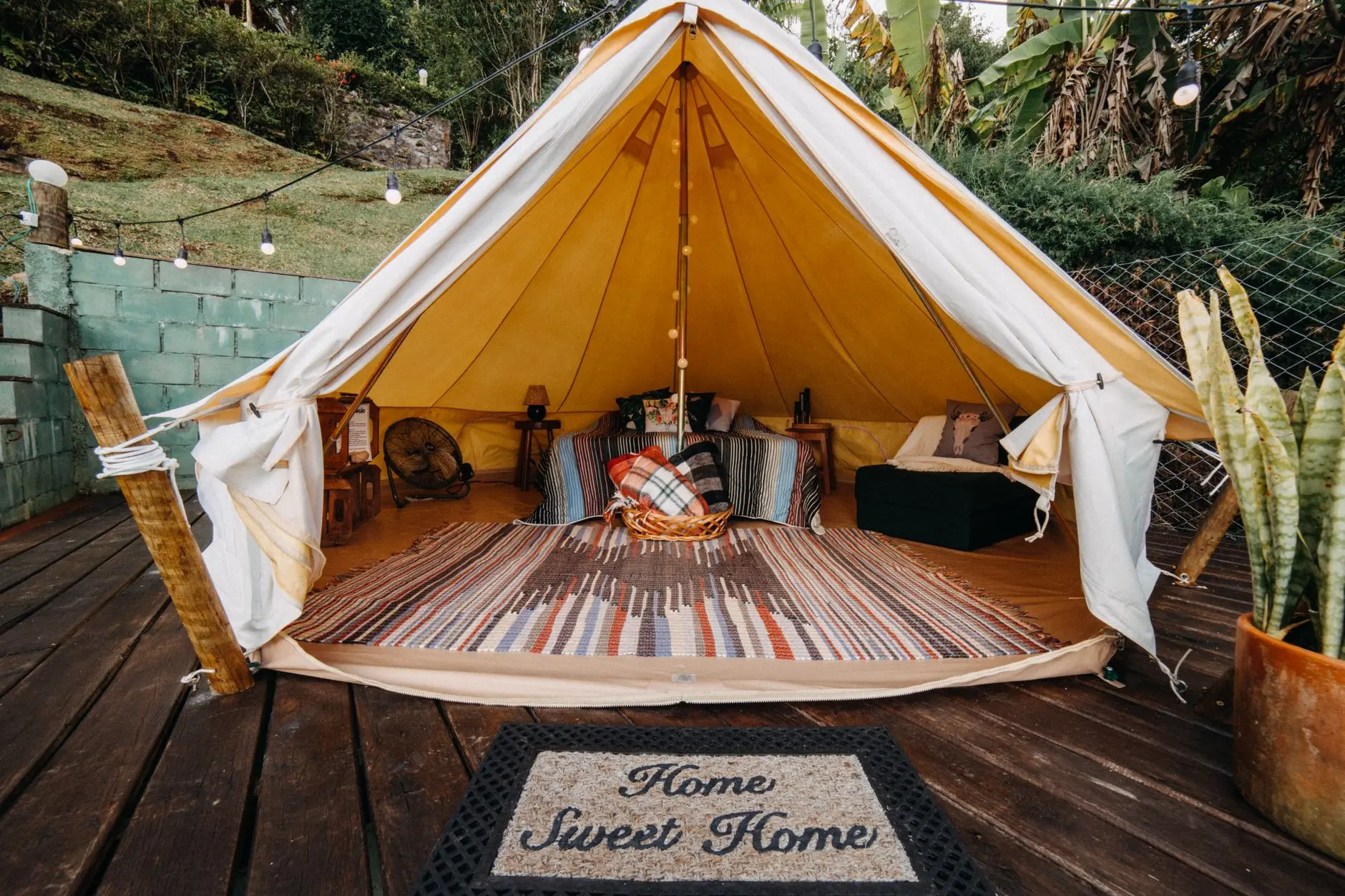
Not sure where to start? Here are the formats that give you the most bang for your glamping dollar:
- Bell tents: The classic canvas glamping tent. Roomy, beautiful, and usually $80–$130/night. They photograph ridiculously well and feel like sleeping inside a Pinterest board — no judgment if you take forty photos.
- Yurts: Round, solid walls, usually insulated — which means they actually work for fall glamping. Great for shoulder-season trips when hotel prices spike and campground crowds disappear.
- Treehouses: Yes, real ones. Airbnb and Hipcamp both list treehouse rentals starting around $100/night. Kids lose their minds. Adults also lose their minds, but quietly.
- Vintage Airstreams: Usually parked in curated glamping villages with shared outdoor spaces. Compact but charming, and you feel like you’re in a road trip movie the entire time.
- Glamping Hub: Glamping Hub aggregates hundreds of unique stays globally and lets you search by type, location, and budget. It’s basically Booking.com but make it outdoors.
For affordable glamping destinations in the US, the Pacific Northwest (Washington and Oregon), the Texas Hill Country, and the Smoky Mountains region all punch well above their price point. The scenery does half the work, which is exactly what you want when you’re keeping costs down.
Travel + Leisure has ranked several of these regions among the top domestic glamping destinations, and their picks tend to skew toward the “feels expensive, isn’t” end of the spectrum.
READ ALSO: Fall Weekend Getaways Close to Home
Glamping Setups That Actually Work for Beginners
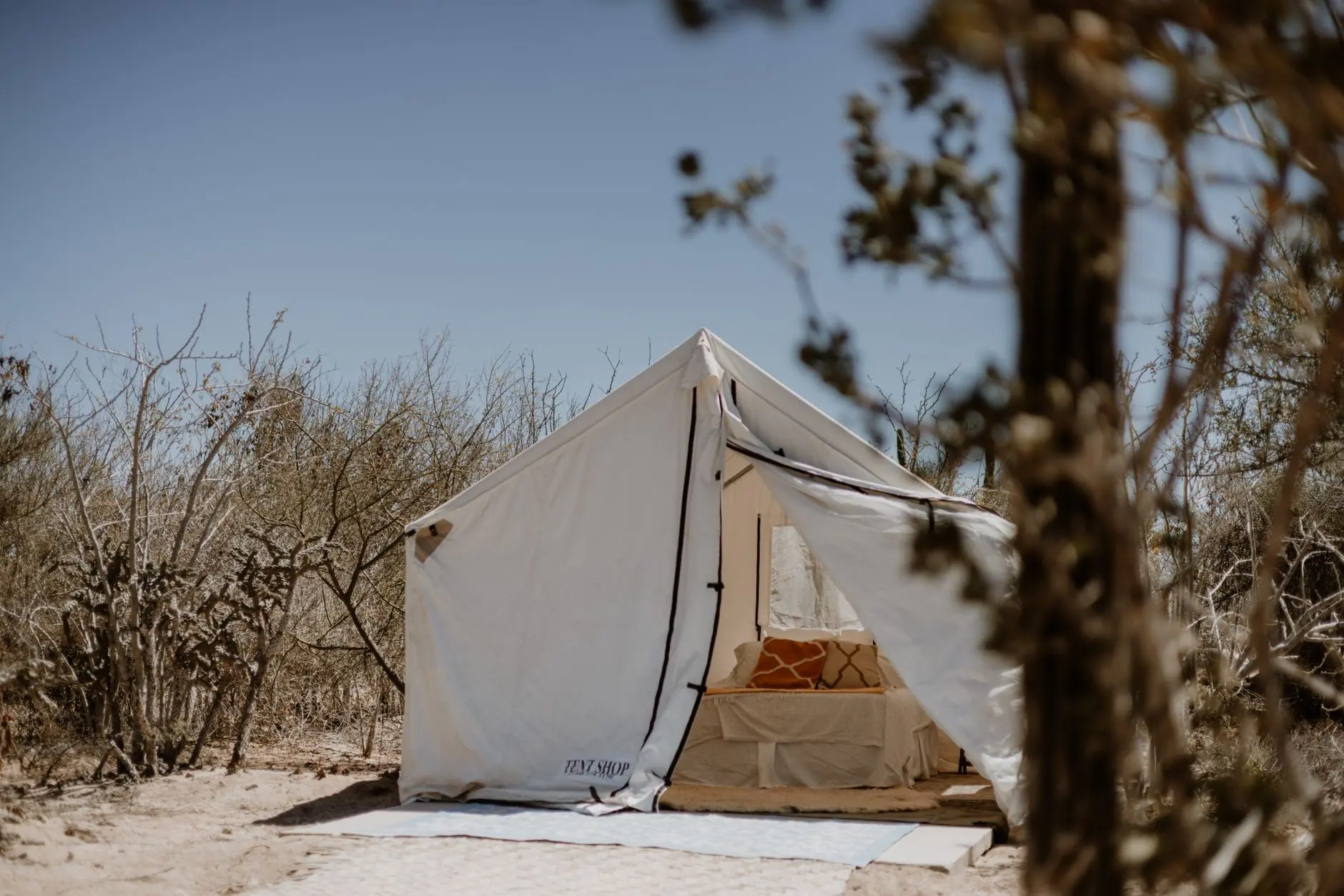
If you’re booking a proper glamping site, most gear concerns vanish — the venue handles it. But if you want to DIY a glamping setup at a regular campsite (cheaper, more flexible, more of a flex), here’s what actually matters:
- A good tent: For a DIY setup, you want something roomy enough to stand in. REI and Outdoor Life both publish solid roundups of the best glamping tents for different budgets. Canvas bell tents are the gold standard; look at brands like Elk Mountain or Lotus Belle for quality at a reasonable price.
- A real mattress or cot: Non-negotiable. An air mattress works but punctures at the worst possible moment — a quality camping cot with a foam topper is more reliable and more comfortable.
- Lighting: Fairy lights on a battery pack, a good lantern, and a headlamp. This alone does 80% of the “glamping atmosphere” heavy lifting.
- A rug: Seriously. A cheap outdoor rug on the tent floor makes it feel like a whole room instead of a glorified sleeping bag situation.
For glamping beginners, the rule is: rent before you buy. Try a booked glamping site once or twice first. If you love it enough to want the DIY version, then invest in gear. Backpacker Magazine has detailed guides on what’s actually worth buying versus renting or skipping entirely — useful reading before you drop $400 on a tent you use twice.
READ ALSO: Best Camping Gear for Beginners (That Won’t Break the Bank)
Glamping With Kids: Zero Camping Disasters
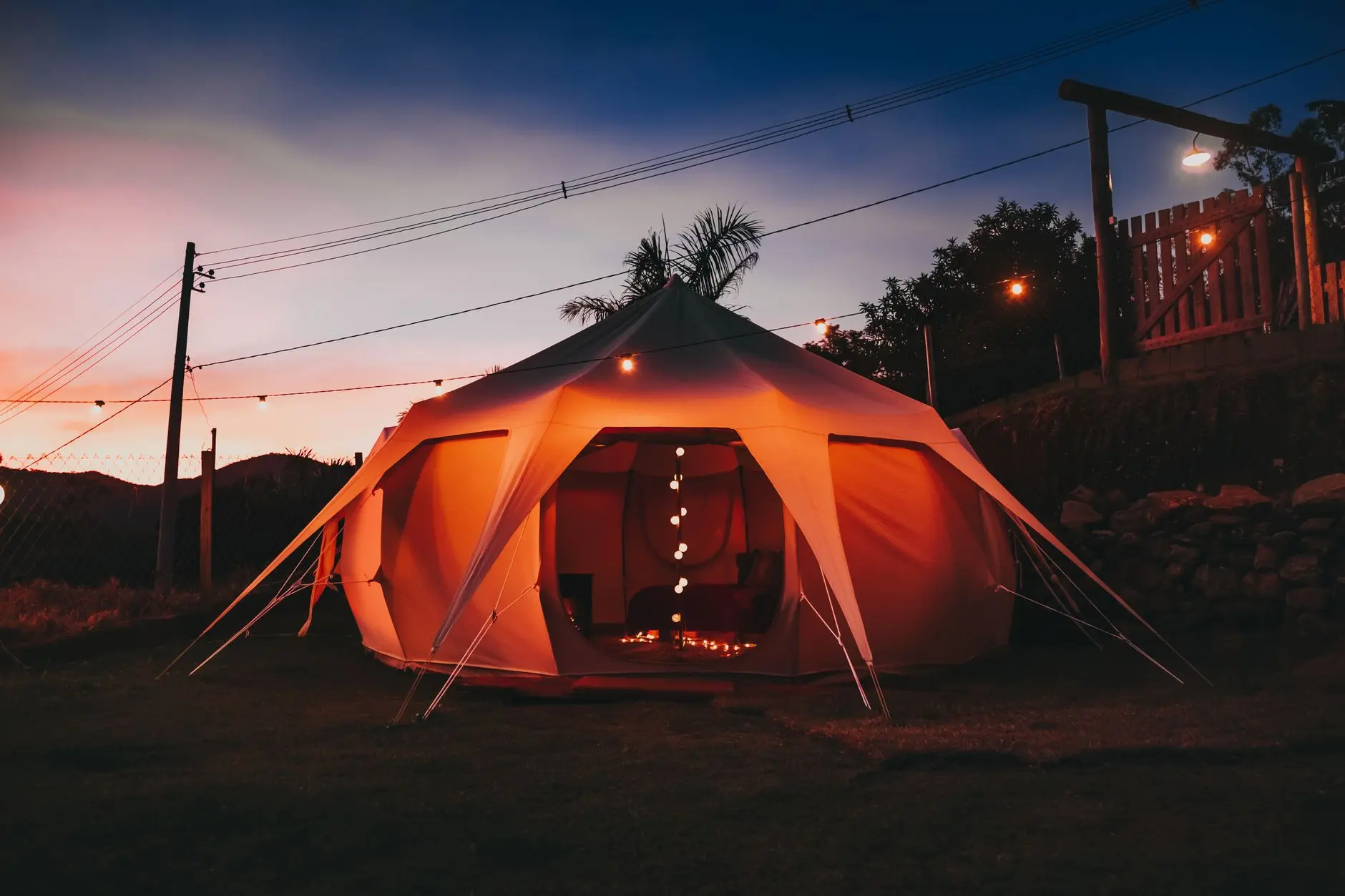
Here’s the thing about glamping with kids: it solves most of the reasons camping with kids is terrible. No setting up tents while a toddler sprints toward the creek. No air mattress deflating at 2 a.m. No convincing a seven-year-old that the sleeping bag is “totally fine.”
A few things that make it genuinely smooth with little ones:
- Book a fenced or enclosed site when possible — most glamping properties note this in the listing, and it matters enormously when you have runners.
- Bring the white noise machine. Forests are loud at night. Kids who are used to it at home will need it here too.
- Filter for private bathrooms. This is the hill to die on when traveling with kids under eight. “Shared facilities on site” means hiking across a dark field at midnight.
- Pack activity bags: Glow sticks, card games, a bug jar. The outdoors provides plenty, but a backup rainy-day kit saves the whole trip.
KOA has a dedicated family glamping category with amenities like playgrounds and pools built in — worth checking if you want a “not too wilderness” first experience. The National Park Service also lists cabins and yurts inside several parks that come with the full nature experience plus actual beds. Both are solid starting points when you’re searching for glamping near you.
If your kids have never done any outdoor overnight before, this is the ideal entry point. They get the campfire stories without the “I’m cold and this is the worst” energy.
READ ALSO: Family Vacation Ideas on a Budget That Kids Actually Love
Glamping vs. Hotels: The Real Cost
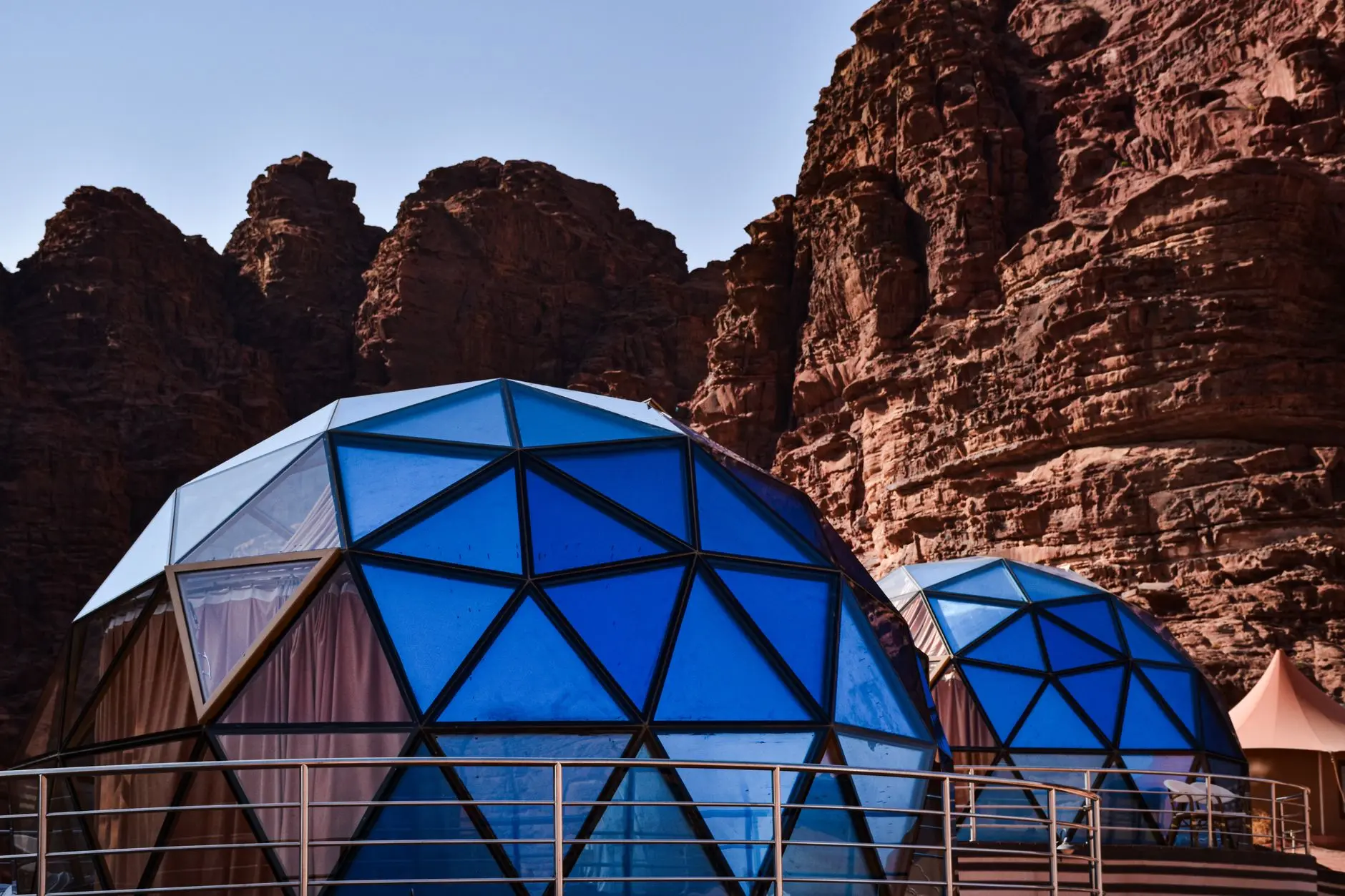
Let’s do some quick math, because the “glamping is expensive” assumption doesn’t always hold up under scrutiny.
A mid-range hotel room in a tourist area on a fall weekend: $180–$250/night. You get a box with a bed, a parking lot view, and continental breakfast if you’re lucky. A solid glamping setup in the same area: $100–$175/night. You get a private outdoor space, an actual experience, and a fire pit. The hotel wins on square footage and WiFi reliability. Glamping wins on everything else.
The comparison shifts further when you factor in food. Glamping sites usually allow — and encourage — cooking on-site. Bring groceries, cook your own meals, skip three restaurant markups per day. A family of four can easily save $150–$200 over a weekend just on food. That’s basically the cost of the glamping site itself.
The Guardian’s travel desk has noted the growing trend of “experience over amenity” travel — where people deliberately trade hotel polish for memories. Glamping is essentially that trend packaged with a corkscrew and a view of actual trees.
For luxury camping under $200 a night, the value case is almost always stronger than a comparable hotel stay, especially once you factor in the experience rather than just the room rate.
Is Glamping Worth the Hype?
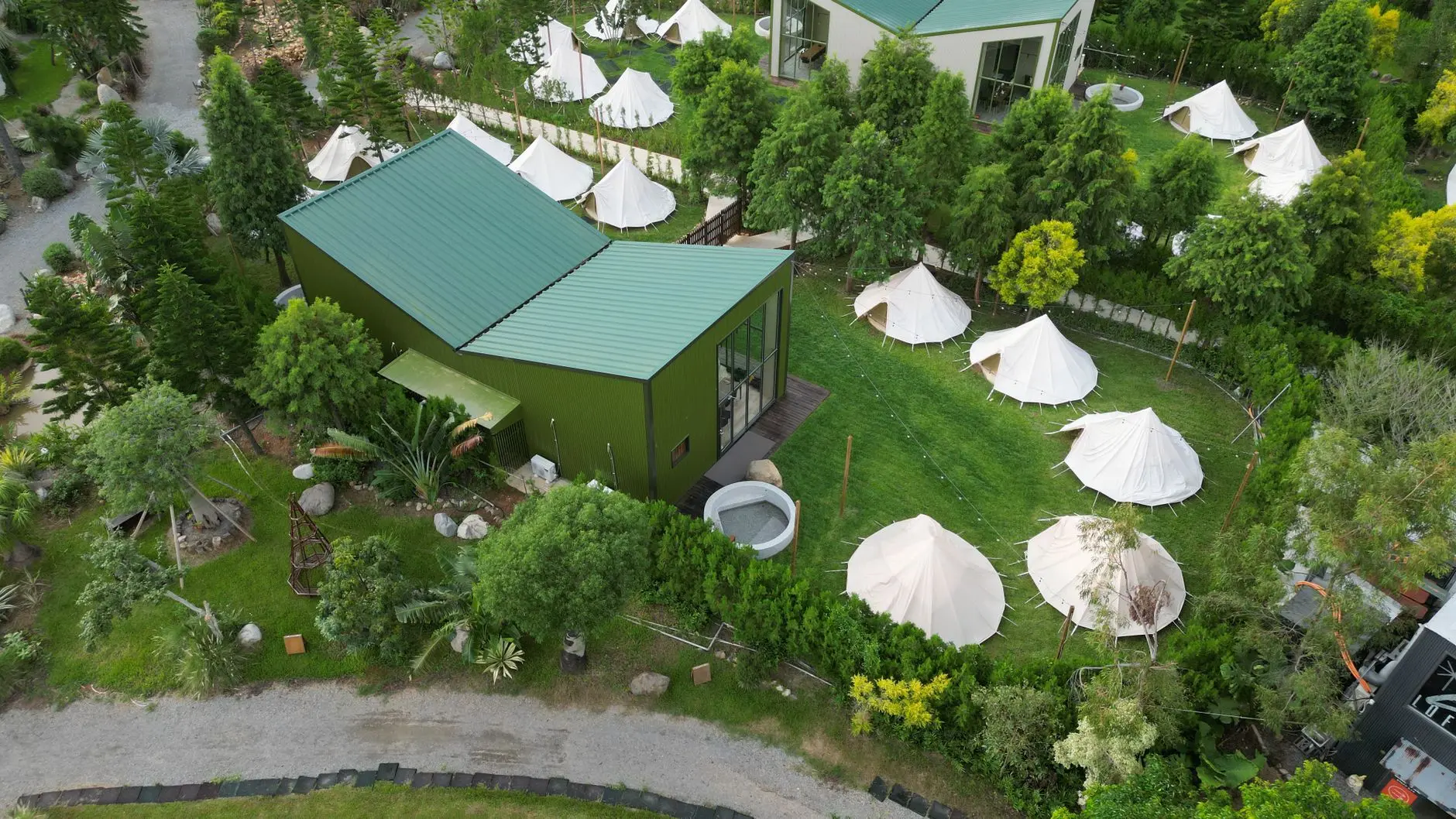
Short answer: yeah, it actually is — with one honest caveat. Quality varies wildly by site. A well-run glamping property feels like a boutique hotel that happens to be in the woods. A poorly-run one feels like someone put a mattress in a tent and charged a premium for the vibe alone.
Read reviews obsessively. Look for photos from guests, not just from the listing. Check whether the amenities listed — hot tub, private bathroom, fire pit — are actually private to your site or “shared with fifteen other guests.” That’s the detail that separates a great night from a mildly resentful morning.
The good news: as glamping has gotten more popular, the average quality has genuinely improved. More operators are doing it right because the competition is there. Consumer Reports‘ travel coverage has useful guidance on vetting short-term rental properties, and the same principles apply here — check what’s actually included, not just what’s photographed.
If you’ve been curious but haven’t pulled the trigger yet, fall is the best time to start. Fewer bugs, cooler nights (actually comfortable in a canvas tent), and some of the best scenery of the year. Fall glamping also tends to be cheaper than the summer peak, so you get the best version of the experience at a lower price point. The rare case where the budget option is also the better option.
Pick a spot within two hours of home for your first try. Bring better snacks than you think you need. Leave your work notifications off. That’s genuinely the whole formula.
UP NEXT: Travel Hacks That Actually Save Money on Every Trip















Comments