


Elder abuse affects a huge number of older adults in the United States. The U.S. Department of Justice estimates that more than 10% of adults age 65 and older experience some form of elder abuse each year.
Financial exploitation is another major concern. In its 2025 Elder Justice Report, the DOJ reported that during the reporting period, its criminal and civil litigators pursued more than 280 enforcement actions involving over 600 defendants. The alleged offenders attempted to steal or stole more than $2 billion from over one million older Americans.
Elder abuse can take many forms. You can see the signs of physical abuse, neglect, emotional abuse, sexual abuse, and even financial exploitation. And while not every case of mistreatment is treated as a felony, felony elder abuse may lead to serious criminal charges depending on the conduct, injuries involved, financial losses, and the laws of the state where the abuse occurred.
Let’s take a closer look at when elder abuse can become a felony.
The Core Distinction Almost Always Comes Down to Severity
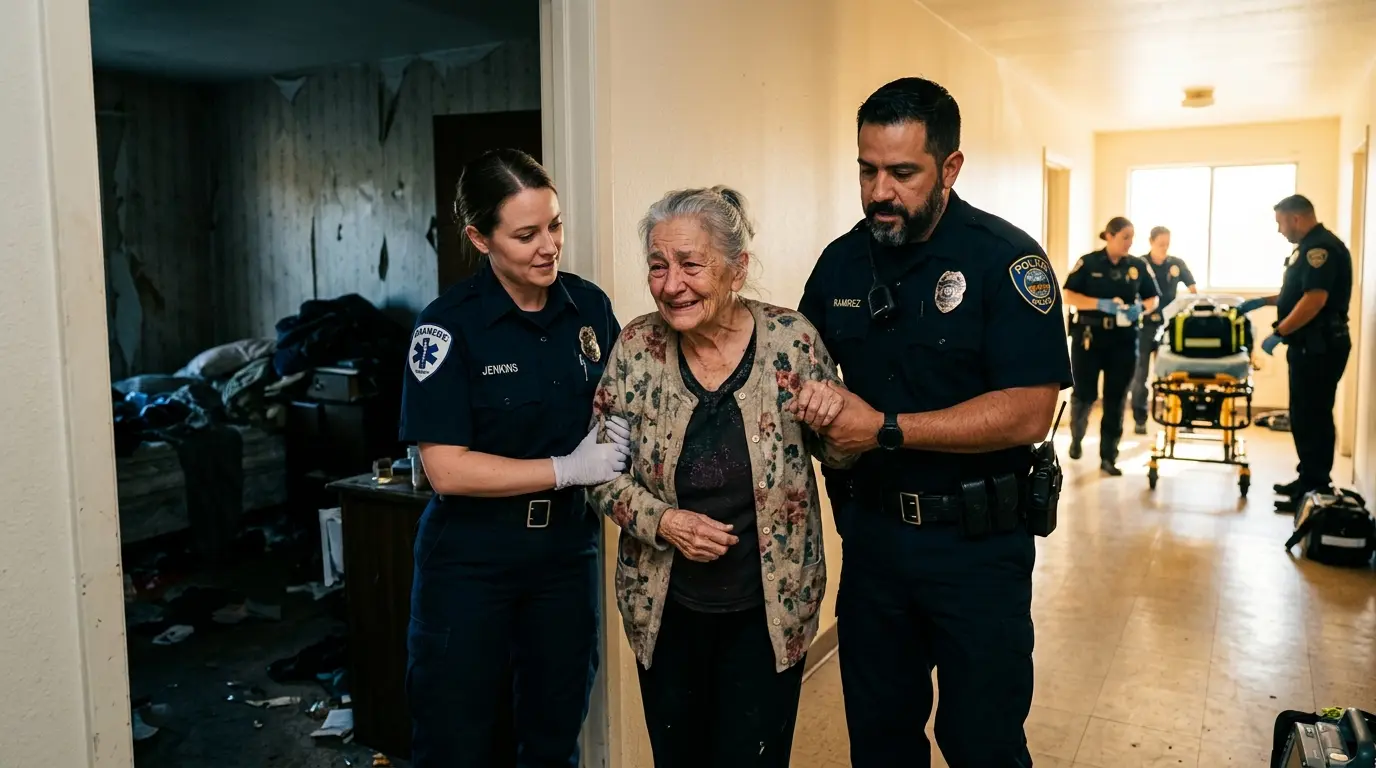
States with laws against elder abuse have set up the crime as a “wobbler” in most instances. The main difference between the misdemeanor and the felony charges in cases involving such crimes lies in whether or not the circumstances in which the crime took place posed risks of severe bodily injury or death.
Neglect of an elderly individual by a caregiver, which may result in posing health risks to him/her, may be considered a misdemeanor; however, neglect that may cause severe bodily injury or death may be considered a felony regardless of whether an injury actually took place.
In some states, intention is taken into consideration. However, there are many states where abuse of the elderly may be criminal regardless of intention.
What Actually Escalates a Charge
Aside from the baseline severity requirement, there are other considerations that usually contribute to a case being treated as a felony.
One is actual harm to the victim as a result of the abuse, which makes it quite obvious why the case must be charged as a felony in addition to the other enhancements that come along with the charge.
The criminal history of the accused, especially previous involvement in acts related to the present charge, can also influence the decision to charge the accused with a felony.
Penalties Scale Sharply Once a Case Becomes a Felony
There is a considerable discrepancy between misdemeanor and felony elder abuse sanctions from a practical perspective.
First, the former sanctions consist of jail time in the county jail for several months along with reasonable fines and conditions, including, for example, mandatory counseling or probation. In turn, felony sanctions are connected with state prison and are usually several years long even without an enhancement because of the presence of an injury, which may add several more years.
Felonies also have some consequences that do not affect the misdemeanor, such as the loss of some civil rights, professional licensing for the caregiver, and the status of a strike in several states.
Specific Types of Neglect Can Trigger Exactly This Kind of Case

The most concrete examples of neglect amounting to felony cases can be caused by the lack of action on the part of the caregiver resulting in a real and imminent threat to the life of the individual under their care.
Choking cases where the cause of the choking can be linked to a lack of supervision during mealtimes or even poorly prepared food.
A choking incident in a care facility may require a careful review of the circumstances and available evidence. An elderly choking lawyer may examine staffing records, meal preparation logs, medical records, and witness accounts to determine whether the incident resulted from serious and foreseeable neglect.
Depending on the facts and applicable state law, such evidence may support a civil claim or, in more serious cases, criminal charges against the facility or an individual caregiver.
Criminal Charges and Civil Claims Run on Separate Tracks
A criminal abuse of an elderly person case and a civil case regarding damages can be two completely different legal processes, despite having originated from the same incident.
The prosecutor will file the case on behalf of the state, which can lead to jail time, monetary penalties paid to the state, and, most importantly, a criminal record. The claim will be filed by the person who suffered damage or a member of his/her family and will entail monetary compensation and punitive damages.
Both actions may occur simultaneously; moreover, the decision taken during the former process may affect how the second one is evaluated and negotiated.
The Practical Reality
Whether alleged elder abuse may result in felony charges depends on the law of the state where the conduct occurred. They also consider the specific facts of the case. Some relevant factors include the nature and severity of the harm, the risk of serious injury, the person’s intent or level of negligence, and other circumstances defined by state law.
If families discover their loved ones are experiencing abuse or neglect, they must understand that there are applicable state laws and thresholds for criminal or civil liability against this crime. This is one way to provide a clearer picture of the potential legal consequences and available options for seeking accountability.

















Comments