

Reviewed By
- Rachel Thompson
- No Comments

By Rachel Thompson
July 27, 2026 • Fact checked by Dumb Little Man
Cortisol Face Is Real and Your Skin Is Basically Screaming
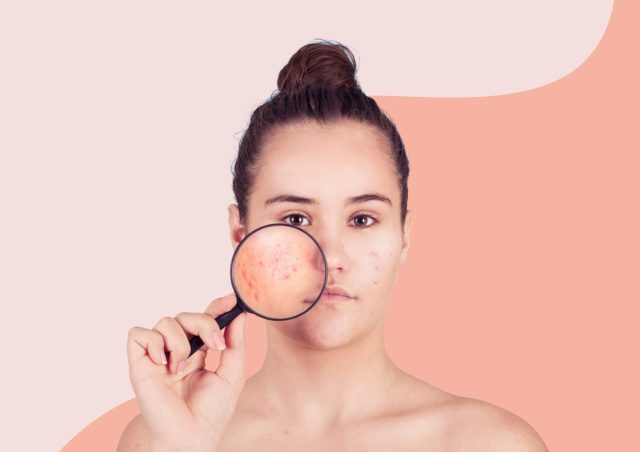
Your face is trying to tell you something. That persistent puffiness you keep waking up to, the dullness that no serum seems to fix, the breakouts showing up in places they never used to — that is your skin waving a giant red flag. The term cortisol face has exploded across social media for a reason: it names something millions of people have noticed but couldn’t quite explain. And while dermatologists will rightly push back on the oversimplified TikTok version, the underlying science is very real. Stress hormones are doing a number on your face, and it is time to understand exactly how.
What Is Cortisol Face, Really?
Let’s get the definition straight before we go any further. Cortisol face meaning: it is the collection of visible skin and facial changes — puffiness, breakouts, dullness, accelerated fine lines — that result from chronically elevated cortisol levels. This is not a medical diagnosis. Your doctor will not find it in a textbook. But that does not mean it is fake. It means we finally have a name for something that real physiology explains.
Cortisol is your primary stress hormone. It is produced by the adrenal glands and released in response to threats, real or perceived. A looming deadline, a difficult conversation, a bad night of sleep — your body does not distinguish between those stressors and a literal predator. It just pumps out cortisol. When that happens occasionally, it is fine. When it happens constantly, your face starts showing up to work looking wrecked.
So what is cortisol face? It is what happens when your stress response never really switches off. It is the visible consequence of a body stuck in high-alert mode, and it shows up differently in different people — but the mechanisms are the same for everyone.
The Biology Behind It: Your HPA Axis Is the Villain
Here is where it gets genuinely fascinating. Stress triggers what scientists call the HPA axis — the hypothalamic-pituitary-adrenal axis. Your hypothalamus sends a chemical signal called CRH (corticotropin-releasing hormone) to the pituitary gland, which then tells your adrenal glands to produce cortisol. This whole cascade happens in seconds. It is elegant engineering for emergencies.
The problem is that research published on PubMed shows chronic stress suppresses normal HPA axis regulation, including in the skin itself. Yes — your skin has its own local HPA axis. It responds to environmental and psychological stressors independently of your central nervous system. When this system gets dysregulated by chronic stress, the downstream effects on your skin barrier, pigmentation, and inflammatory response are significant.
And here is the kicker: stress hormones and skin interact in a vicious loop. Cortisol triggers skin inflammation. That inflammation makes the skin more reactive. A more reactive skin barrier triggers further cortisol production. You are essentially stuck in a cycle that your face is documenting in real time.
Cortisol Face Symptoms: What to Actually Look For
Not all puffiness is cortisol face. Not all breakouts are stress-related. Context matters here, and so does pattern recognition. Cortisol face symptoms tend to cluster together and tend to track with periods of high stress rather than appearing randomly.
The most common signs include facial puffiness (especially around the cheeks and jawline), a persistent dull or grayish skin tone that no amount of glow serum fixes, stress-driven acne along the jawline and chin, under-eye circles and bags that sleep alone doesn’t resolve, increased skin sensitivity and redness, and accelerated fine lines. Some people also notice their skin feels thinner or more fragile than usual.
One important flag: if your face is consistently very round and puffy over many months, see a doctor. That could indicate high cortisol effects on face at a clinical level — more on that distinction shortly. For most people though, these symptoms are milder and more intermittent, fluctuating with stress levels rather than being constant.
READ ALSO: Self Care Activities That Actually Work (No Spa Day Required)
Cortisol and Facial Puffiness: The Fluid Retention Factor
Cortisol and facial puffiness are linked through a few distinct mechanisms. First, cortisol affects aldosterone, a hormone that regulates sodium and fluid balance. When cortisol is high, your body tends to retain more water. That water has to go somewhere, and unfortunately the face is prime real estate for fluid accumulation — especially under the eyes and along the jawline.
Second, chronic cortisol elevation drives systemic inflammation. The American Academy of Dermatology confirms that stress makes skin more vulnerable to inflammation, itch, and irritation. Inflamed tissue holds more fluid. The result is a face that looks puffier, more reactive, and generally more exhausted than it should.
Third, poor sleep — which both causes and results from high cortisol — leads to overnight fluid accumulation in the face. It is a triple threat: stress drives cortisol up, cortisol disrupts sleep, disrupted sleep worsens puffiness. You did not sign up for this, but here we are.
Does Stress Cause Face Puffiness? The Honest Answer
Yes — but with important nuance. Does stress cause face puffiness? Directly and indirectly, yes. The direct path is through cortisol’s effect on fluid retention and inflammation. The indirect path is through all the behaviors that spike when stress is high: worse diet choices, more alcohol, less sleep, skipping workouts. All of those independently cause facial puffiness, and stress reliably triggers all of them.
So even if the cortisol itself is not the sole villain, stress is still the root cause of the whole domino chain. Blaming stress for your puffy face is not wrong. It is just incomplete.
Cortisol and Skin Inflammation: The Collagen Catastrophe
Puffiness is the most visible symptom, but stress and skin inflammation cause damage that runs a lot deeper. Here is what chronically elevated cortisol actually does to your skin at a structural level, and why it matters so much for long-term skin health.
Cortisol activates enzymes called matrix metalloproteinases (MMPs). These enzymes break down collagen and elastin — the proteins that keep your skin firm, bouncy, and youthful. A clinical study published in PMC on chronic psychological stress and skin aging found that sustained stress accelerates collagen degradation and compromises skin barrier integrity. In plain English: chronic stress literally ages your skin faster from the inside out.
On top of that, cortisol suppresses the skin’s natural repair processes. Your skin does most of its cellular renewal while you sleep, when cortisol is naturally low. Chronic high cortisol — particularly if it disrupts sleep architecture — means your skin never fully gets into recovery mode. The result accumulates over months and years: premature fine lines, compromised barrier function, and a complexion that looks perpetually fatigued.
Chronic Stress and Face Swelling: When It Is More Than Cosmetic
Chronic stress and face swelling are genuinely linked, but it is worth being clear about when to take it seriously as a medical issue versus when it is a lifestyle issue. Most cortisol face is the latter. It responds to lifestyle intervention and does not indicate a disease.
However, if you have severe, persistent facial swelling that does not improve when stress decreases, it is worth getting your cortisol levels checked. True Cushing syndrome — a condition where the body produces dangerously high cortisol, often due to a tumor or prolonged steroid use — causes what clinicians call moon facies. This is a distinct medical diagnosis. According to Cleveland Clinic, moon face involves significant fat accumulation on the sides of the face over an extended period and requires medical treatment.
The lifestyle version of cortisol face is real but milder. And the fact that it is milder means it is also more fixable.
READ ALSO: Morning Routine for Success: Simple Habits That Actually Change Your Day
Cortisol Face vs. Moon Face: An Important Distinction
The cortisol face vs. moon face confusion is understandable but important to clear up. Moon face — technically called moon facies — is a clinical symptom of Cushing syndrome. It involves dramatic, persistent fat redistribution and facial swelling caused by cortisol levels that are pathologically elevated for weeks or months. It requires medical treatment, often including addressing whatever is causing the cortisol excess.
Cortisol face as the internet uses the term is more subtle. It is the cumulative effect of chronically elevated-but-not-pathological cortisol on inflammation, fluid retention, collagen breakdown, and skin reactivity. The face does get rounder, puffier, and more dull — but not to the degree of true moon face. Researchers at the University of Colorado Anschutz Medical Campus have clarified that everyday stress cortisol levels are not high enough to cause true moon facies, but can absolutely contribute to measurable skin changes over time.
Think of it this way: cortisol face is your skin keeping score. Moon face is a medical emergency. Know which one you are dealing with.
Cortisol Bloating: Not Just in Your Gut
Most people associate cortisol bloating with the midsection, and yes, that is real — cortisol promotes fat storage around the abdomen. But the same mechanisms that cause abdominal bloating also cause facial puffiness. Fluid retention affects the whole body. High cortisol disrupts digestion, triggering gut inflammation that further amplifies systemic inflammation throughout the body, including the face.
There is also the gut-skin axis to consider. Healthline’s reporting on the cortisol face trend notes that chronic stress alters gut microbiome composition, and those gut changes have direct downstream effects on skin. So cortisol bloating and cortisol face are not separate issues — they are the same issue expressing itself in different parts of your body simultaneously.
If you are experiencing both facial puffiness and digestive bloating during high-stress periods, that is not a coincidence. That is your body telling you a very consistent story.
READ ALSO: The 7 Side Effects of Overtraining Syndrome
How to Fix Cortisol Face: The Actual Interventions That Work
Here is where most articles get vague and start listing “drink more water” like that is going to fix anything meaningful. I am going to be more specific than that, because you deserve actual information. How to fix cortisol face requires attacking the problem from two angles: reducing the underlying cortisol load and supporting your skin directly. You need both.
How to Lower Cortisol Naturally: The Evidence-Based Approach
How to lower cortisol naturally is not about one magic habit. It is about building a lifestyle that keeps your nervous system from living in crisis mode. The interventions that have the best evidence behind them are sleep, movement, and dietary consistency — in that order of importance for most people.
Sleep is the most powerful cortisol regulator you have access to. Research reviewed by Healthline shows that cortisol follows a circadian rhythm — it is naturally highest in the morning and lowest at night. When you consistently get fewer than seven hours, that rhythm becomes disrupted, and nighttime cortisol stays elevated when it should be dropping. That is the window when your skin is supposed to repair itself. Protect your sleep like it is your most expensive skincare product, because physiologically speaking, it is.
Exercise is the second most powerful lever, but it is dose-dependent. Moderate-intensity exercise — think brisk walking, swimming, cycling, yoga — lowers baseline cortisol over time by improving your body’s stress resilience. High-intensity exercise, especially when you are already stressed and sleep-deprived, can spike cortisol further. This is one reason why hammering yourself at the gym when you are burned out often makes everything feel worse, not better. If you are deep in a stress spiral, a 30-minute walk beats a HIIT class every time.
Diet consistency matters more than diet perfection. Blood sugar spikes and crashes trigger cortisol release — your body reads low blood sugar as a physiological emergency. Eating balanced meals at regular intervals, prioritizing protein and fiber, and not skipping meals keeps cortisol from spiking unnecessarily throughout the day. Baylor Scott and White Health recommends focusing on whole foods, reducing refined carbohydrates, and limiting alcohol — all of which independently drive cortisol dysregulation when consumed excessively.
How to Reduce Cortisol Face Through Skincare
The systemic interventions above are the most important. But how to reduce cortisol face visually also involves smart skincare choices that work with the biology of stressed skin rather than against it. Stressed skin is more reactive, more inflamed, and more barrier-compromised than healthy skin. Your routine should reflect that.
First: ditch the harsh stuff when you are going through a stressful period. Aggressive exfoliants, high-concentration acids, and potent actives layer stress onto an already-stressed barrier. The American Academy of Dermatology notes that stress worsens acne and skin reactivity, so adding irritating products to already-reactive skin is counterproductive. Simplify your routine. Focus on barrier support: a gentle cleanser, a ceramide-rich moisturizer, SPF. That is genuinely all stressed skin needs from topicals most of the time.
Second, address puffiness directly. Cold is your friend. A chilled facial roller, cold compresses, or even splashing your face with cold water first thing in the morning constricts blood vessels and reduces fluid accumulation. It is not fixing the cortisol problem, but it helps you look less like you lost a fight with your stress levels. Gua sha with light upward strokes encourages lymphatic drainage and can noticeably reduce morning puffiness when done consistently.
Third, look at ingredients that specifically counter stress and skin inflammation. Niacinamide is my personal favorite here — it reduces redness, supports the skin barrier, and helps regulate sebum production, which is exactly what cortisol-stressed skin needs. Centella asiatica (cica) is also excellent for calming inflamed, reactive skin. PubMed research on perceived stress across inflammatory skin conditions confirms that anti-inflammatory topical ingredients genuinely help manage stress-triggered flare-ups.
Cortisol Face Treatment: When to Go Beyond DIY
Most cases of cortisol face respond to the lifestyle and skincare interventions above. But sometimes the cortisol face treatment that makes the biggest difference is professional support. If your skin has been chronically inflamed, broken out, or prematurely aged by years of high stress, a dermatologist can offer targeted interventions that no grocery-store serum can replicate.
In-office options like low-level light therapy, prescription anti-inflammatory topicals, or professional-grade barrier repair treatments can accelerate skin recovery significantly. Stress and skin inflammation that has become chronic may also benefit from addressing the underlying stress drivers — whether that is therapy, medication for anxiety, or structural life changes. The AAD is clear that managing stress is a legitimate part of managing stress-related skin conditions. This is not woo. It is evidence-based dermatology.
READ ALSO: Benefits of Essential Orange Oil Worth Knowing
The Habits That Keep Cortisol Face Coming Back
Here is the uncomfortable part. A lot of the habits that feel like stress relief are actually making cortisol face worse. Scrolling your phone at night keeps cortisol elevated by exposing your brain to stimulating and often anxiety-provoking content right before sleep. Research consistently links nighttime screen use to disrupted cortisol rhythm and poorer sleep quality. The algorithm is not your skincare friend.
Alcohol is another one. A glass of wine feels like it reduces stress, and in the short term it does suppress the nervous system. But alcohol disrupts sleep architecture, elevates nighttime cortisol, and is directly inflammatory to the skin. The morning after a few drinks, your face shows you the receipts. That is not dehydration alone — that is inflammation.
Caffeine timing matters more than most people realize. Cortisol is naturally highest in the first 90 minutes after waking. Drinking coffee immediately upon waking spikes cortisol further during its already-peak window. Clinicians at Ubie Health recommend waiting 90 minutes after waking before your first coffee, letting your natural cortisol peak pass first. This one small shift can meaningfully improve your cortisol rhythm over time — and your skin will notice.
The Real Takeaway: Your Skin Is a Stress Journal
Cortisol face is not a vanity problem. It is a biofeedback system. Your skin is quite literally keeping track of your stress load and displaying the results on your face. When you see the puffiness, the breakouts, the dullness — that is not bad luck or bad genetics. That is data.
The good news is that all of this is responsive to real intervention. Sleep matters. Movement matters. Eating regularly matters. Simplifying your skincare when your skin is under stress matters. You do not have to overhaul your life in a week. Start with sleep. Genuinely protect seven to eight hours. Then build from there.
The TikTok version of cortisol face is oversimplified — but the underlying science is real, the symptoms are real, and the solutions are real. Your face is not betraying you. It is asking for help. The least you can do is listen.
UP NEXT: Self Care Activities That Actually Work (No Spa Day Required)
What Do You Think ?







Frequently Asked Questions (FAQs)
More Like This












More from Dumb Little Man

Rachel Thompson
Rachel Thompson is a pop culture columnist and entertainment writer known for her spicy takes and sharp sense of humor. With a degree in communications and a decade of reporting experience, Rachel offers behind-the-scenes insight on celebrity news, reality TV scandals, and viral social media drama. Her writing is equal parts sass and substance—giving readers the lowdown on what happened, why it matters, and how it reflects today’s cultural shifts. She covers everything from red carpet controversies to influencer fallouts, always with a punchy, engaging tone that keeps readers hooked. Rachel has appeared on pop culture podcasts and has contributed to digital platforms that thrive on trending topics. When she’s not analyzing the latest celebrity beef, she’s deep-diving into nostalgic Y2K media or hosting binge-watch nights with her crew. Rachel’s content is for readers who want the tea, but also the context.
Because being “in the know” is kinda hot.
Smart, funny, sometimes spicy content we handpicked so you don’t have to.





Comments