



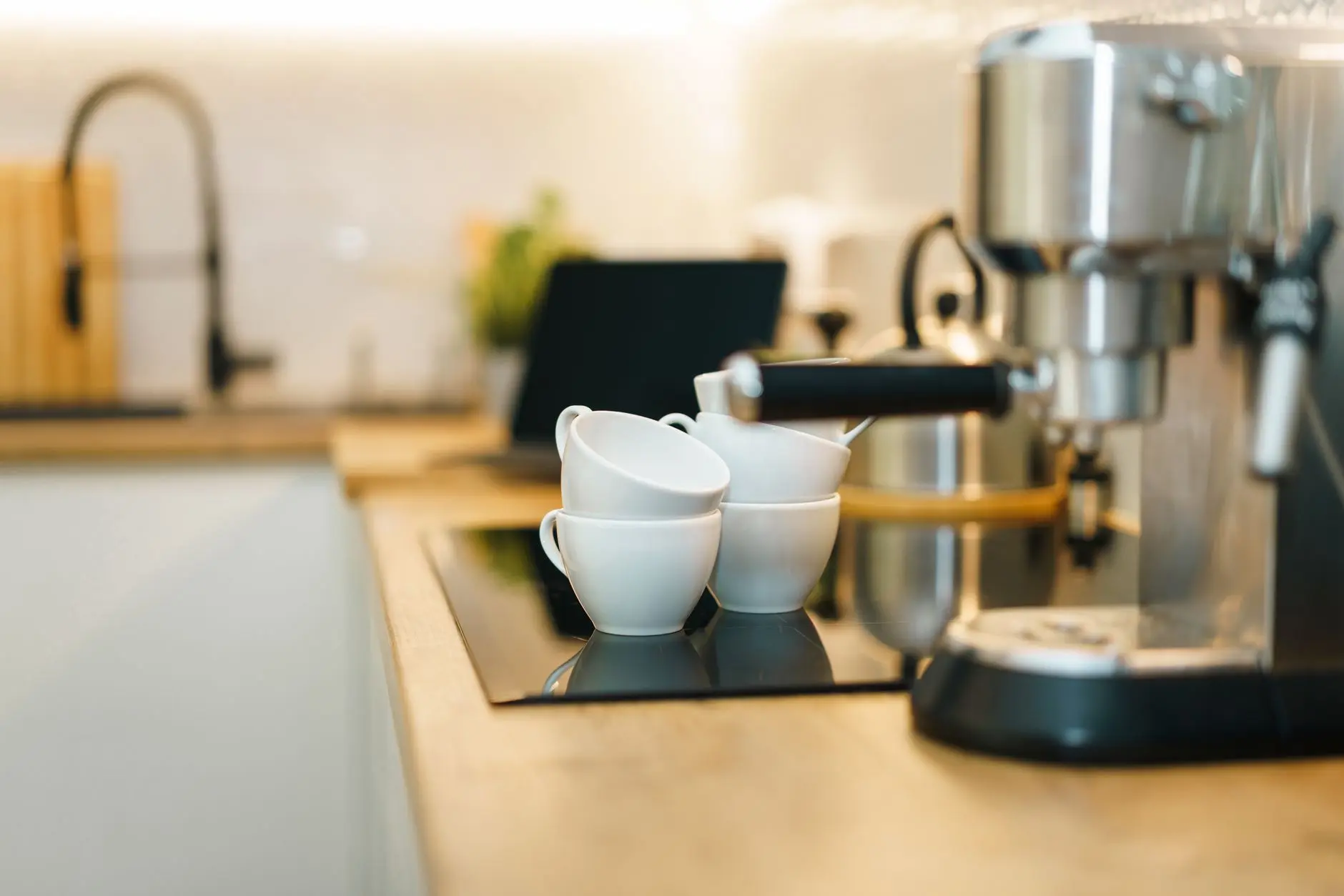
Your morning coffee is supposed to be the best part of your day — not something you choke down because the machine is from 2014 and tastes like a vague memory of better beans. Here’s the thing: a genuinely great home brew doesn’t cost $300. The best coffee makers under $100 are legitimately good, and the upgrade pays for itself faster than you’d think.
Here are five picks that actually deliver, plus exactly how to use them.
Why You Need an Upgrade

More than 60% of American adults drink coffee every single day, according to the National Coffee Association. Most of them are making it at home. And most of those home setups are… fine. Which is kind of the problem.
Older drip machines lose heating efficiency over time, so your water temperature drifts below the Specialty Coffee Association’s recommended 195–205°F brewing window. Too cool and you get sour, under-extracted coffee. Too hot and it turns bitter. Your aging machine is almost certainly doing one of these to you right now, and you’ve just gotten used to it.
Even a modest upgrade — $40, $60 — can make that same bag of grocery-store coffee taste noticeably cleaner and brighter. And since Harvard Health links moderate daily coffee consumption to a range of health benefits, you might as well enjoy the ritual.
READ ALSO: Best Budget Kitchen Appliances That Are Actually Worth It
Five Best Picks (All Under $100)

These five cover every brewing style and every kind of morning person. Pick the one that fits how you actually live.
Ninja CE251: The No-Drama Daily Driver (~$60)
The workhorse. It brews up to 12 cups, has a programmable timer so coffee is ready before you’re fully awake, and the hot plate keeps it warm without scorching it. Consumer Reports consistently puts Ninja in its top tiers for drip value, and for multi-cup households it earns that. If you drink several cups in the morning or split with a partner, this is the pick.
Cuisinart DCC-3200: The Temperature Nerd’s Choice (~$75)
If you care about water temperature — and you probably should — the Cuisinart DCC-3200 heats closer to the SCA’s ideal range than most machines at this price. It’s a nerdy detail that shows up clearly in the cup. Reviewers at Wirecutter have called it one of the best automatic drip machines you can buy under $100, and it’s been consistent across multiple years of testing. Glass carafe, programmable, holds 14 cups.
AeroPress Original: The Cult Classic (~$35)
This one has been making converts since 2005 — not because it looks cool (it doesn’t), but because it works. You brew one concentrated cup in about two minutes: smooth, low-acid, surprisingly nuanced. Serious Eats calls it one of the most foolproof manual brewers you can own. It’s also tiny enough to pack for travel. If you drink a single cup at a time and like playing with your technique, nothing at this price comes close.
READ ALSO: Morning Routine Hacks That Actually Work Before 8 AM
Chemex 6-Cup Classic: Pretty AND Delicious (~$45)
Yes, it’s the beautiful one on your design-conscious friend’s counter. But it’s not just for looks. The Chemex uses a thicker paper filter than standard drip, which catches more oils and produces an unusually clean, bright cup. Pour-over coffee makers have exploded in popularity over the last decade, and the Chemex remains the benchmark for why — it genuinely delivers a different drinking experience than auto-drip. The trade-off: you have to be present. Pour hot water, wait four minutes, drink excellent coffee. No shortcuts.
Bialetti Moka Express: The Italian Shortcut to Espresso (~$30–40)
If you love strong, espresso-adjacent coffee and have a stovetop, the Moka pot is the best $35 you can spend on your kitchen. This iconic Italian brewer forces pressurized steam through finely ground coffee and produces a thick, rich concentrate that gets closer to espresso than anything else at this price. Bialetti has been making this exact design since 1933 — some things genuinely don’t need updating. Bon Appétit calls the Moka pot essential for anyone who wants bold coffee at home without a dedicated espresso machine, and they’re not wrong.
Actually Using Your New Maker

The machine is half the equation. These small habits make a bigger difference than most people expect.
- Use filtered water. Coffee is roughly 98% water, and tap water with minerals or chlorine shifts the flavor. A pitcher filter is enough — nothing fancy required.
- Grind fresh if you can. Pre-ground is fine, but a budget burr grinder (around $30–40) makes a real difference. SCA brewing standards identify grind consistency as one of the biggest variables in extraction quality — it’s not just coffee-snob talk.
- Get your ratio right. About one to two tablespoons of coffee per six ounces of water is a good starting point. Adjust from there based on taste, not guesswork.
- Bloom your pour-overs. With the Chemex or AeroPress, pour just enough hot water to saturate the grounds and wait 30 seconds before the full pour. It releases trapped CO₂ and noticeably improves extraction. Serious Eats’ pour-over guide breaks down the science if you want to go deeper.
- Don’t leave coffee on a hot plate for hours. It keeps cooking. Brew, pour, move on.
READ ALSO: Best Electric Kettles for Every Budget — and Why They Matter
Keep It Fresh for Years

A $60 machine lasts a decade if you treat it right. A neglected one starts tasting bad within six months.
The main task: descale regularly. Hard water leaves mineral buildup inside your machine that slows heating and dulls flavor. Good Housekeeping recommends descaling every one to three months depending on your water hardness. Run equal parts white vinegar and water through a full brew cycle, then follow with two plain water rinse cycles. Ten minutes of actual effort, once a quarter.
Rinse your carafe and filter basket after every use — dried coffee residue goes rancid and contaminates fresh brews. For the AeroPress and Chemex, a hot water rinse is usually enough. For drip machines, gentle dish soap on removable plastic parts is fine.
Store your coffee correctly, too. Mayo Clinic’s nutrition guidance recommends keeping coffee in an airtight container away from light and heat. Whole beans you won’t use for weeks can go in the freezer — just don’t refreeze once thawed. Anything you’ll finish in two weeks is fine on the counter.
One Moka pot note: skip soap on the aluminum body. Hot water only, air dry. Soap strips the seasoning that builds up and protects the flavor over time.
READ ALSO: Pantry Organizers That Make Your Kitchen Look Actually Good
Worth It?

Straightforwardly, yes. A café latte in the US averages around $5–7 depending on where you live. One every workday adds up to $100–$140 a month. The machines on this list pay for themselves in a week or two of skipped café trips.
But beyond the math: the morning ritual matters. The Guardian’s food and drink coverage has documented how much weight people put on their coffee routine — it’s not just a caffeine hit, it’s a small daily pleasure that sets the tone. A better machine doesn’t just save money; it makes that part of your morning feel more like yours.
Pick by your style. Hands-off and high-volume? Ninja or Cuisinart. Want to be in the process? AeroPress or Chemex. Need espresso-strength on a shoestring? Moka pot, no debate.
Any of them will make your mornings better — and none of them cost more than a dinner out.
Want more budget finds that are actually worth buying? The DLM newsletter drops the best ones every week — no noise, no ads in disguise, just the good stuff.
UP NEXT: Best Blenders Under $50 That Actually Blend
“`

















Comments