


According to the Centers for Disease Control and Prevention, cocaine is a powerful central nervous system stimulant that can affect the body and brain. In fact, 21,945 overdose deaths involved cocaine in 2024. The cocaine-involved overdose death rate declined from 8.6 to 6.3 deaths per 100,000 people between 2023 and 2024.
Operating a vehicle while impaired by cocaine or other drugs can result in DUI or DWI charges in many states. Whether a charge applies depends on state law, evidence of impairment, and the circumstances surrounding the traffic stop or crash.
The legal consequences of driving after using cocaine can depend on specific jurisdiction and the evidence involved. Here’s how cocaine laws work, when the use of the substance can lead to a DWI charge, and what penalties may apply.
There Is No “Legal Limit” for Cocaine

Charges based on DWI with respect to alcohol are dependent upon the blood alcohol content reaching or exceeding 0.08 percent, a bright-line standard that is easy to prove and easy to explain to a jury.
Cocaine and other controlled substances are not handled in this way. There is no accepted standard that defines a certain amount of cocaine in the bloodstream as automatically rendering someone intoxicated like there is with alcohol.
The way that most states approach intoxication involving drugs is by using impairment of the individual as the defining factor. If the individual’s mental or physical faculties have been impaired by the substance present in the driver’s body, then he or she may be subject to being charged with DWI with intoxication caused by a controlled substance.
How the Charge Actually Gets Built
When an officer has reason to believe that someone is impaired by drugs, he/she normally takes into account field sobriety tests and observations, which are later backed up by toxicological test findings.
The suspect may be accused based on the presence of slurred speech, reckless driving, dilated pupils, and lack of ability to perform standardized tests. As there is no per se value in these situations, the case will be determined by the police report and any expert witness that may testify about the impact of cocaine on coordination, reaction time, and decision-making.
It is considered to be the most disputable issue when it comes to DWI laws related to drugs. Defense lawyers usually question the connection between the exhibited behavior and the ingestion of drugs.
State Laws Vary in Structure, Even When the Outcome Is Similar
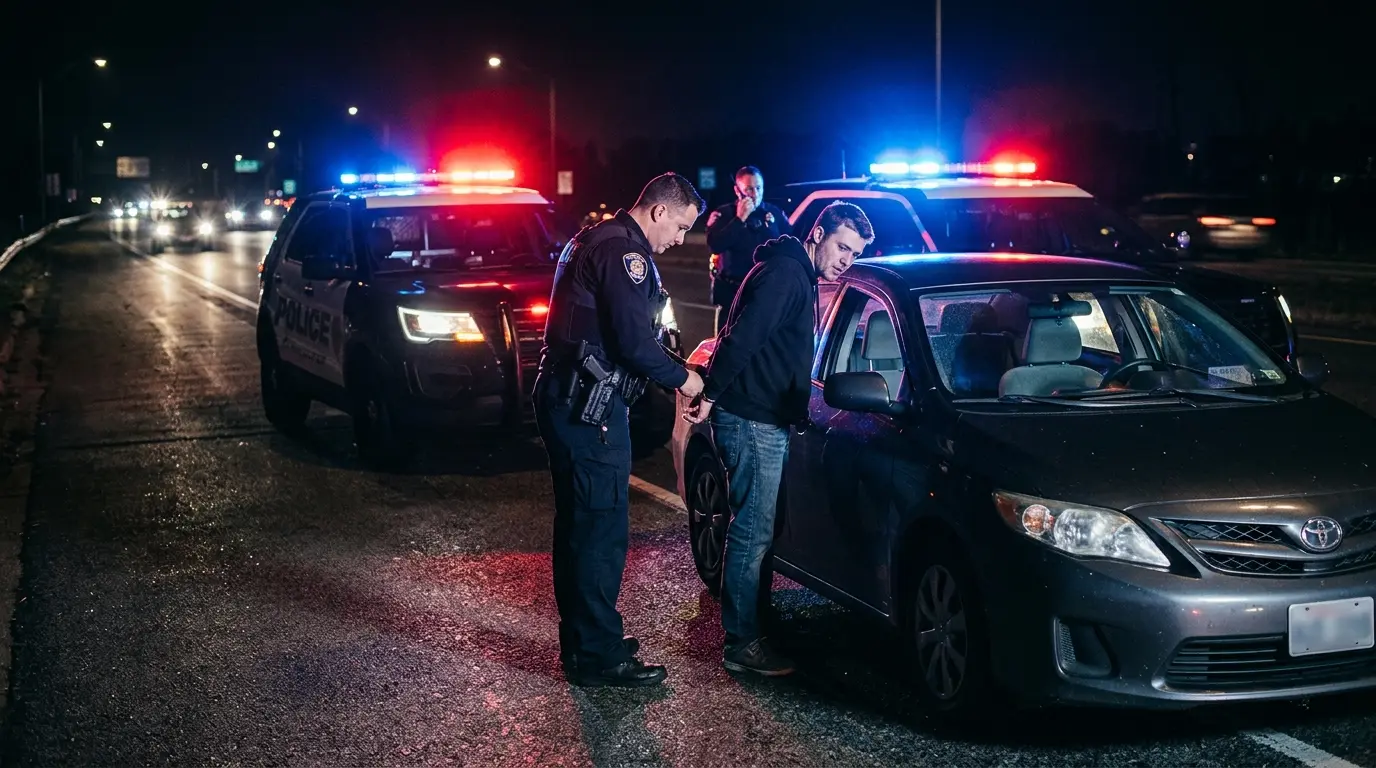
The specific wording of the impaired driving law varies by state; however, the concept, which provides that if something has the ability to impair a person’s ability to drive, then it may be used as grounds for a DWI or a DUI, is pretty universal. Some states call it DWI, while others refer to it as DUI or both.
Because the categories that make up an impaired driving charge, and how cocaine laws fit into a state’s broader drug penalty structure, vary so much, the safest approach is to look at how a specific state actually defines the offense rather than assuming one state’s rules apply everywhere.
A single incident involving cocaine can create exposure on more than one front at once, since drug possession and impaired driving are charged as two separate offenses even when they arise from the same stop.
Penalties Can Stack Quickly
A cocaine-induced DWI does not normally occur in a vacuum. Where cocaine was found in the car during the arrest process, a separate possession charge is likely, and the sanctions that may follow will be more stringent than the DWI sanctions themselves based on the quantity involved.
An initial DWI case is charged as a misdemeanor, but drug possession charges that arise out of the same incident are treated as felonies even in small amounts, because many states have felony classifications for the possession of a Schedule II substance, such as cocaine, irrespective of the intent to sell, and the distribution/trafficking amounts are separate and distinct offenses.
These are among the reasons why cocaine-induced impaired driving cases tend to be more complex than the ordinary DWI involving alcohol. One traffic stop can lead to two cases proceeding on two different fronts.
What Happens After the Stop

The procedure for making an arrest for drug-influenced driving is identical to that of alcohol DWI arrests at the outset.
In most states, implied consent statutes allow that by driving on public highways a driver implicitly consents to being tested if he or she has been lawfully arrested for suspicion of being intoxicated.
A refusal to be tested results in additional administrative sanctions apart from the proceedings in the criminal case, such as the revocation of one’s license even before resolution of the charge.
From there, the process follows the same path as any other DWI or DUI arrest, booking, a court date, and an early decision about legal representation. The details of that process, including how a specific charge is classified and what happens procedurally after arrest, can differ meaningfully depending on where the stop occurred.
A look at DWI Harris County cases, for instance, shows how a single state’s classification system, misdemeanor tiers versus felony tiers, can shape the entire trajectory of a case well before the drug-specific evidence ever comes into play.
Conclusion
One will be liable for a DWI or DUI offense in almost all states after driving while under the influence of cocaine, without having a defined numeric limit like there is for alcohol consumption.
This lack of defined numeric limit does not make such cases easy to either defend or to prosecute. Rather, it simply means that the whole process of prosecution becomes centered on evidence of impairment, evidence of toxicology, and the state law definition of intoxication.
An individual charged with such an offense faces more complicated issues than those associated with alcohol-related DWIs and may include a charge of drugs.


















Comments