


Let’s talk about beauty branding, shall we? It’s a world where style, charm, and sheer audacity collide to create empires. We’re talking iconic brands that didn’t just sell products—they sold an experience, a vision, a lifestyle. Curious how they pulled it off? Grab your coffee, because we’re about to dive into the world of beauty branding that went from small beginnings to global giants.
To build an empire, beauty brands must tap into the pulse of what people desire, crafting stories that make them feel seen and understood. Take Fenty Beauty, for instance—by creating a makeup line that celebrates all skin tones, Rihanna didn’t just launch a product line; she sparked a movement that resonated with consumers on a deeply personal level. This wasn’t just about foundation; it was about inclusivity, empowerment, and making beauty accessible for everyone. When a brand understands its audience that well, it’s not just selling products—it’s creating a legacy.
READ ALSO: Top 5 Beauty Essentials Everyone Should Have in Their Collection
What is Beauty Branding?


You’ve heard of it, right? But do you really know what beauty branding means? Let me break it down: It’s not just about putting a cute logo on a bottle of lotion. Beauty branding is about creating a story that makes consumers feel connected to the brand. It’s about the emotions, the vibes, and the culture a company creates around its products. And when done right, it’s magic. But, it’s not all rainbows and unicorns. Behind every successful beauty brand, there’s a savvy strategy, clever marketing, and a deep understanding of the audience. Successful beauty branding requires brands to identify their target demographics, brand positioning, and audience characteristics to effectively tailor their messaging and strategy.
And let’s not forget how important consistency is in beauty branding. Whether it’s the look of the product, the tone of the marketing, or the experience a customer has when they interact with the brand, everything needs to align perfectly. Think of how brands like Glossier use minimalism and soft pastel colors to convey a sense of effortless beauty. That’s not an accident! It’s all carefully designed to evoke the feeling of simplicity and authenticity. When all these elements work together, the brand feels authentic and relatable, making consumers not just want to buy the product—but be a part of the lifestyle it represents.
READ ALSO: 7 Hair and Makeup Looks to Try This Week
The Power of Brand Identity
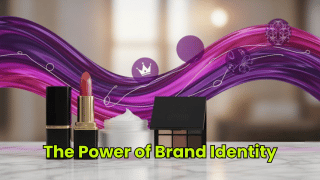

One of the first things beauty brands nail down is their brand identity. This is everything. It’s the visual story—the logo, packaging design, color palette, and even the typography. The most effective brand identities incorporate timeless design elements that remain appealing and relevant across generations, rather than just following fleeting trends. Have you ever noticed how some beauty brands make you feel like royalty just by looking at their packaging? Yeah, that’s by design. Think about Fenty Beauty, for example. Rihanna didn’t just create a makeup line; she crafted a brand identity that says, “Everyone belongs here.” You’ve got luxury, inclusivity, and effortless cool all in one package. Now, that’s branding done right!
But here’s the kicker: brand identity isn’t just about the pretty stuff. It’s also about your core values. Do you stand for something? What’s your brand stand? Most brands do this through their social media campaigns and marketing campaigns, reaching their target audience with messages that make them feel seen, heard, and understood. And let’s not forget about the emotional connection. A great brand voice makes you feel like you’re having a chat with your bestie—effortless, fun, and real.
READ ALSO: Top 5 Beauty Essentials Everyone Should Have in Their Collection
Fenty Beauty: The Rebel With a Cause
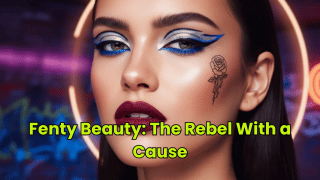

Let’s take a closer look at one of the most iconic beauty brands today: Fenty Beauty. Rihanna didn’t just launch a beauty brand; she shook up the entire beauty industry. And how did she do it? By being bold, inclusive, and unapologetic. When Fenty Beauty hit the scene, it wasn’t just about makeup; it was a statement. Fenty made sure no skin tone was left behind. The cosmetic brand created an entire line of shades to cater to a wide range of skin tones, from the fairest to the deepest. And the result? People felt like Fenty really saw them. That’s not just good marketing—that’s smart branding strategy.
But let’s not skip over the packaging. Fenty Beauty’s minimalist yet chic design made it stand out on the shelves, showing that beauty isn’t just skin-deep—it’s also about the experience of using the product. The sleek, metallic finishes, the clear-cut lines, and the overall luxurious feel made it clear that Fenty was a high-end brand, without being unattainable. The packaging wasn’t just a way to house the product—it became part of the message, reinforcing the brand’s modern, inclusive identity. And let’s not forget Rihanna’s personal connection to the brand. She wasn’t just the face of Fenty; she was the heartbeat. Her authentic, no-holds-barred persona poured into every product launch, campaign, and even every shade, giving the brand a voice that resonated with millions. It wasn’t just about makeup; it was about self-expression, confidence, and breaking the rules. And when a brand carries that kind of energy? It’s bound to make waves.
How Makeup Branding Became a Movement
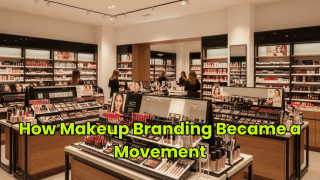

Here’s the thing: makeup branding has evolved into more than just selling lipstick. It’s about telling a story, building a community, and creating lasting brand loyalty. Take Huda Beauty as an example. Huda Kattan started with her own brand and a beauty blog, but now, she’s a powerhouse in the cosmetics world. Her journey is a perfect example of how beauty branding can evolve and grow into a multi-million-dollar empire. From social media platforms to social media campaigns, Huda knows how to build buzz. And, if we’re being honest, she makes you feel like you can achieve your dreams—one lipstick at a time.
What makes Huda Beauty’s branding even more powerful is her ability to connect with her audience on a personal level. Huda didn’t just rely on traditional marketing strategies; she used her own experiences, both the highs and the lows, to build a relationship with her followers. Through YouTube tutorials, Instagram stories, and transparent product reviews, she created a sense of trust and authenticity. It wasn’t just about selling makeup—it was about empowering people to express themselves and embrace their unique beauty. Huda’s ability to engage with her audience, share her journey, and continuously innovate has turned her brand into more than a beauty line; it’s a movement that inspires confidence and creativity in millions worldwide.
READ ALSO: RC Antiaging Serum Reviews 2026: A Skincare Revolution for Smooth, Firm Skin
The Importance of Targeting the Right Audience
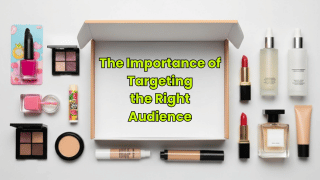

At the heart of any successful beauty brand is a target audience. Do you know who your potential customers are? Do you understand their needs and desires? Without that, your branding is just noise. Here’s where many brands go wrong: they try to be everything to everyone. Beauty brands like Glossier and Fenty Beauty get it right by staying true to a specific target market—people who value inclusivity, quality, and innovation.
And when these brands get their target audience right? Well, they don’t just attract customers—they create a loyal following. Brand loyalty is one of the most powerful forces in business. If you can create emotional connection with your customers, they won’t just buy from you once. They’ll come back again and again. And that’s what sets the best brands apart.
Branding Beyond the Product
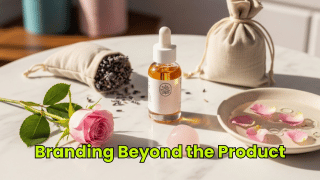

What happens when a brand’s vision is bigger than just the products? That’s where things get exciting. Look at Kylie Cosmetics. Kylie Jenner has done a brilliant job building her own brand that goes beyond the makeup itself. Her brand values are clear: luxury, convenience, and a sense of personal empowerment. People don’t just buy the cosmetics; they buy into the lifestyle she promotes. And let’s be real: it works. From her logo to her packaging, every detail of Kylie’s brand screams sophistication and high-end appeal.
But it’s not just about looking pretty. A brand’s website is a core component of its digital presence, serving as a hub for engaging content, e-commerce, and building trust with customers. Kylie Cosmetics capitalized on social media to engage with her target audience. It’s a clever mix of storytelling, product releases, and social media platforms that kept her fans hooked. And that, my friends, is what you call smart brand positioning.
Packaging Design and Private Label: The Unseen Heroes
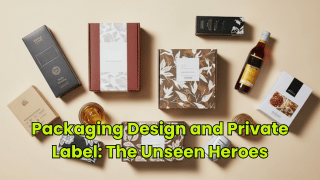

In the beauty industry, first impressions are everything—and that’s where packaging design steps into the spotlight. For skincare or cosmetic brands, the look and feel of your packaging isn’t just about aesthetics; it’s the first conversation you have with potential customers. A bold, innovative design can instantly communicate your brand identity, core values, and even your brand voice before a customer ever tries your product. For private label skincare brands, packaging is crucial—whether it’s a minimalist eco-friendly design for cruelty-free products or vibrant, bold packaging for a Gen Z-targeted cosmetics line. The right color palette, typography, and materials can make your brand memorable, create an emotional connection, and build lasting loyalty.
Packaging design isn’t just about looks either—it plays a role in digital marketing and search engine optimization. By incorporating relevant keywords on product packaging and pages, brands can improve their online visibility and attract more customers. Successful brands like Fenty Beauty have mastered this, using sleek, inclusive packaging that speaks to diverse audiences while reinforcing the brand’s commitment to quality and inclusivity. Packaging design, when done right, becomes more than just a visual; it becomes a powerful tool for driving sales, building a cohesive brand identity, and fostering community loyalty. So whether you’re launching your first skincare line or revamping your current brand, remember that thoughtful, creative packaging is a vital foundation for your beauty empire.
The Role of Quality Products in Building a Brand
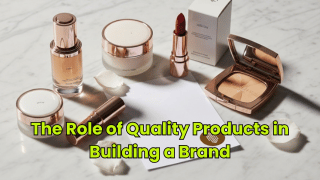

Here’s the thing about beauty branding—it all boils down to one key factor: quality products. Sure, a fancy logo and a clever marketing campaign can get people to buy once. But the reason they’ll come back? It’s the quality. If your products aren’t up to snuff, no amount of branding can save you. Look at Anastasia Beverly Hills. From the eyebrow products to their liquid lipsticks, Anastasia has built her empire on top-quality makeup that delivers what it promises. Her brand identity is built around expertise, professionalism, and results.
Quality isn’t just about ingredients, though. It’s also about how you create and innovate your products. Anastasia Beverly Hills has consistently stayed ahead of beauty trends, often setting them, with groundbreaking products like the dipbrow pomade and high-pigment eyeshadows that truly deliver. Innovation goes hand-in-hand with quality, and ABH proves that you don’t need to follow the crowd—you can set the standard. The brand’s ability to adapt and refine its offerings shows that staying relevant means continually improving and meeting your audience’s evolving needs. So, what’s the takeaway here? Always focus on the quality of your products, no matter how fabulous your brand voice sounds. If your products deliver consistently, your brand will thrive.
Check out this Anastasia Beverly Hills – Beauty Balm Serum Boosted Skin Tint here.
The Secret Sauce of Success: Storytelling
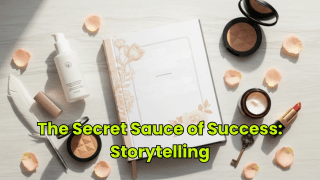

What do Fenty Beauty, Huda Beauty, Kylie Cosmetics, and Anastasia Beverly Hills all have in common? They all nailed storytelling. These brands didn’t just sell products—they made customers feel something. They made you believe their products weren’t just items to buy, but part of a bigger story. Whether through compelling brand stories on product pages or engaging behind-the-scenes content on social media, these brands turned storytelling into a powerful marketing tool.
And guess what? It works. When customers buy into your story, they don’t just purchase—they become invested. They understand what your brand stands for, why it exists, and what sets it apart. This emotional connection doesn’t just inspire loyalty—it makes customers want to share the brand with their friends. And that’s the secret sauce to building empires.
Beauty Branding = Empire Building
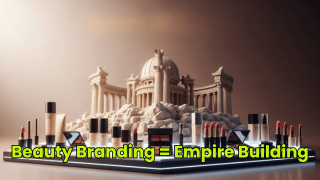

From Fenty Beauty to Kylie Cosmetics, makeup branding has evolved into something much bigger than just selling beauty products. These brands have shown us that it’s about creating a movement, building a community, and crafting a lasting identity. When you focus on quality products, understand your audience, and master storytelling, you can build a beauty empire. These elements work together to make a brand feel not just like a product—but like a part of the consumer’s lifestyle.
So, if you’re thinking of starting your own beauty brand, remember this: it’s not just about the products you sell—it’s about the vision, the mission, and the values behind the brand. Your brand should tell a story that resonates with your audience on a deeper level, making them feel like they’re part of something bigger. Nail those core elements—your brand’s purpose, the experience you want to offer, and the message you want to send—and you’re already on the path to success. Creating a beauty brand that goes beyond just products means creating an emotional connection that keeps customers coming back for more. What beauty brand story inspires you? Let’s chat in the comments below!
UP NEXT: Eye Opening Lessons Learned From Beauty Pageant Life






















Comments