



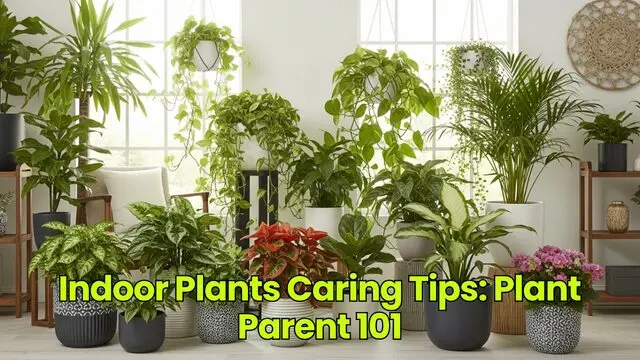
Indoor plants are the perfect addition to any space, breathing life and energy into your home. Not only do they enhance the aesthetic of your living room or office, but they also purify the air and can even boost your mood. However, becoming a plant parent comes with responsibility. Keeping your indoor plants healthy requires understanding their individual needs, including watering, light exposure, and pest management.
If you’re new to the world of plants, don’t worry. Caring for indoor plants is all about finding a balance between light, water, and soil. Some tropical plants might need bright light, while others like snake plants thrive in low light. The goal is to ensure that your house plants are happy and healthy for years to come. So, if you want to grow a garden inside your home, you’ve come to the right place.
In this article, we’ll walk you through the basics of indoor plant care, offering you indoor plants caring tips that will help you become an expert in no time. Whether you’re nurturing your spider plant or showing off your vining plants, we’ve got everything you need to know about keeping your potted plants thriving!
Understanding Light Needs: Bright, Medium, or Low Light?

When it comes to indoor plants, light is everything. Different plants have varying light requirements, and getting this right is key to their growth. Bright light is ideal for flowering plants and tropical plants that love to bask in the sun. On the other hand, low light plants, like snake plants, can thrive in corners with limited sunlight.
Most plants do well in bright indirect light, but it’s important to monitor the light levels in your home. Too much direct sunlight can burn the leaves, while low light can cause the plants to stretch out and become leggy. Finding that balance ensures that your plants thrive and grow strong and healthy.
How much light is too much or too little? The amount of natural light your plants get each day determines how much they need. Some plants, like cacti and succulents, do great with direct sun, while others prefer the gentle touch of indirect light.
READ ALSO: Best Gardening Tips for Home Gardens
Watering Your Indoor Plants: Striking the Perfect Balance

Watering is one of the trickiest aspects of indoor plant care. Too little water, and your plants dry up; too much, and you risk root rot. To avoid this, always check the soil surface to determine if the plant needs water. Moist soil means it’s time to skip watering for a bit.
When watering, it’s essential to ensure drainage holes at the bottom of the pot. These allow the excess water to escape, preventing your plants from drowning. Excess water can suffocate the roots and lead to serious issues like root rot. For most plants, watering once the soil feels dry about an inch deep is perfect.
For new plants, adjust the watering schedule based on their needs. While low light plants require less water, tropical houseplants and flowering plants may need a bit more moisture to stay hydrated. Remember, room temperature water is always the best choice!
Choosing the Right Potting Mix for Healthy Growth

The foundation of a healthy plant starts with the right potting mix. Most indoor plants thrive in well-draining, nutrient-rich soil. For plants like tropical houseplants, use a potting mix that retains moisture without becoming waterlogged.
On the other hand, cacti and succulents require a potting mix with more grit and sand to ensure the roots don’t sit in moist soil for too long. Always ensure that the pot is large enough to allow for root growth, but not so large that the soil becomes waterlogged and stale.
When buying potting soil, opt for fresh soil that’s free of pests and diseases. Soil that’s too old can compact, leading to poor root development and eventual plant decline. Keep your plants in fresh potting soil for the best growth results!
Proper Humidity: Keeping Your Plants Moist and Happy

Humidity plays a huge role in how well your plants do. Tropical plants, in particular, need higher humidity to feel at home. To mimic their native habitat, consider using a humidifier or placing your house plants on a shallow tray filled with water and pebbles. This increases moisture in the air.
If you live in a dry climate or during the winter months when indoor air tends to be dry, you may need to adjust the humidity. Group plants together to create a more humid environment, and keep the room well-ventilated to prevent mold growth.
For plants that don’t require high humidity, ensure adequate air circulation to avoid pest problems. Too much moisture around the base can encourage spider mites and other pests.
READ ALSO: 5 Ways To Create Green Spaces In Your Condo
Repotting: Knowing When and How to Repot Your Plants

Repotting is essential for keeping your plants healthy. When you notice that your plant’s roots are root bound or pushing through the drainage holes, it’s time to move it to a larger pot. Be sure to use fresh potting soil and choose a container that’s just a bit larger than the current one.
Repotting is also an opportunity to refresh the soil, especially if your plant has been in the same pot for years. Fresh potting mix can provide the nutrients your plant needs for strong growth. Just be careful not to bury the plant too deeply; the top of the root ball should sit slightly below the soil surface.
If your plant is growing too fast and you’re concerned about space, clay pots are an excellent option. They allow for better airflow to the roots and help prevent root rot.
Pest Prevention: Keeping Your Indoor Plants Safe

No one wants pests in their indoor garden, but they’re an unfortunate reality. Spider mites, aphids, and houseplant pests are common culprits. To keep your plants safe, inspect the plant foliage regularly, especially on the undersides of the leaves.
If you notice any pests, try using an organic pest control solution, like neem oil or insecticidal soap. Always test a small portion of the plant before applying it to the entire plant foliage. Keeping your plants clean and free of excess water also helps prevent pests from taking root.
Good air circulation is another crucial factor in pest prevention. Vining plants and trailing plants benefit from a bit of space between them to allow airflow to the leaves and soil.
Temperature and Environment: Ideal Conditions for Growing Plants Indoors

Indoor plants thrive in a stable environment. Most indoor plants prefer a room temperature of around 65-75°F (18-24°C), though this can vary depending on the species. Ensure that your plants aren’t placed near drafts, air conditioners, or heaters, as temperature fluctuations can stress them out.
For tropical plants, maintain a warm environment to mimic their native habitat. On the other hand, cacti and succulents enjoy warmer, dry climates and should be kept in areas that aren’t too humid.
If you notice that your plants are stressed, it could be due to sudden temperature changes or low light. Try to stabilize the temperature and ensure your plants are getting the right light exposure for optimal growth.
READ ALSO: February Flowers With Romantic Meanings
Avoiding Over-fertilizing: The Dangers of Too Much Fertilizer

Fertilizing your plants is important, but it’s easy to overdo it. Too much fertilizer can cause plants to grow too quickly, making them more susceptible to disease and pests. It can also damage the roots and harm the plant in the long run.
Instead of over-fertilizing, use plant food sparingly. Apply fertilizer once a month during the growing season (spring and summer) and avoid it in the colder months. Over-fertilizing can also burn the roots, so stick to the recommended amount for each type of plant.
Remember, fresh potting soil often contains nutrients that your plants can use for the first few months, so don’t feel like you need to fertilize immediately.
The Importance of Pruning: Keep Your Plants Looking Neat

Pruning isn’t just for aesthetics—it’s an essential part of plant care. Regularly removing dead or yellowing leaves helps improve the plant’s overall health. For flowering plants, removing spent flowers will encourage new blooms.
Some plants, like vining plants, can grow out of control, so pruning can help keep them from becoming too tangled. Additionally, pruning helps to improve airflow and reduces the risk of houseplant pests.
Remember, pruning is about maintaining balance and promoting healthy growth, not just cutting back branches for the sake of it. Healthy plants need consistent care to continue thriving.
Creating the Perfect Indoor Garden: Bringing Everything Together

To create the perfect indoor garden, consider grouping plants with similar care needs together. Tropical houseplants enjoy the warmth and humidity, while cacti and succulents thrive in dry, sunny spots. Grouping plants with similar light exposure needs ensures that everyone is comfortable.
Also, be mindful of plant leaves—dust can accumulate and block light from reaching the plant. Gently wipe the leaves with a damp cloth to keep your plants clean and happy.
Finally, remember that every plant is different. As long as you monitor light exposure, watering schedules, and soil conditions, your indoor plant care will be on the right track. Stay patient, and watch your indoor garden flourish!
UP NEXT: 5 Best Florists Singapore 2026



















4 Responses
I respect your work, regards for all the great posts.
Comments