



You’re lying in bed at 12:47 a.m., ceiling-staring, brain running a highlight reel of every awkward thing you said in 2019. The fix isn’t a 45-minute meditation routine or a $200 weighted blanket. It’s three minutes — and it works because of how your nervous system actually works, not because of good intentions.
Here’s what to do, why it helps, and how to start tonight.
Why Three Minutes Works (Science-ish)
Your brain isn’t fighting you at bedtime — it just needs a consistent signal. Every night you scroll until your eyes give out or watch one more episode, you’re training it that the bed is a place for stimulation, not sleep.
The fix isn’t about duration; it’s about repetition. Harvard Health explains that sleep is regulated by both circadian rhythm and sleep pressure, and both respond powerfully to consistent behavioral cues. Even a short routine, repeated nightly, starts to act like a trigger — your body learns what’s coming and begins winding down before your head even hits the pillow.
Think of it like Pavlov’s dogs, but instead of drooling, you yawn. Much better outcome.
READ ALSO: Sleep Hygiene Habits That Actually Make a Difference
The Breath Routine: Start Here

Before the body scan, before the journaling — start here. Your breathing is the fastest lever you have for shifting out of alert mode.
The 4-7-8 technique is what sleep researchers keep coming back to: inhale for 4 counts, hold for 7, exhale slowly for 8. Harvard Health’s coverage of breath control notes that slow, deliberate breathing directly activates the parasympathetic nervous system — your body’s built-in “we’re safe, we can rest” switch.
Two rounds take about 40 seconds. You’re already a third of the way through your three minutes.
- Inhale — 4 counts through your nose
- Hold — 7 counts
- Exhale — 8 counts through your mouth, slowly
- Repeat 2–4 times
If it feels slightly weird the first time, that’s fine. You’ve been stress-breathing all day — this is just the gear shift.
The Body Scan: Check In, Chill Out

A body scan sounds like something from a wellness retreat menu, but it’s a Mayo Clinic-recommended technique for releasing physical tension you’ve been carrying around without realizing it.
Start at your forehead. Tight? Relax it. Move to your jaw — drop it. Shoulders? Let them sink into the mattress. Work your way down slowly. You’re not doing an hour-long meditation; you’re running a 90-second sweep of your body, releasing whatever it’s been holding since your commute.
The Sleep Foundation notes that progressive muscle relaxation — essentially the longer version of this — is one of the most evidence-backed relaxation techniques for falling asleep faster. The three-minute version just skips the fanfare and gets to the same place.
READ ALSO: Stress Relief Techniques That Work on the Worst Days
The Pen-and-Paper Brain Dump
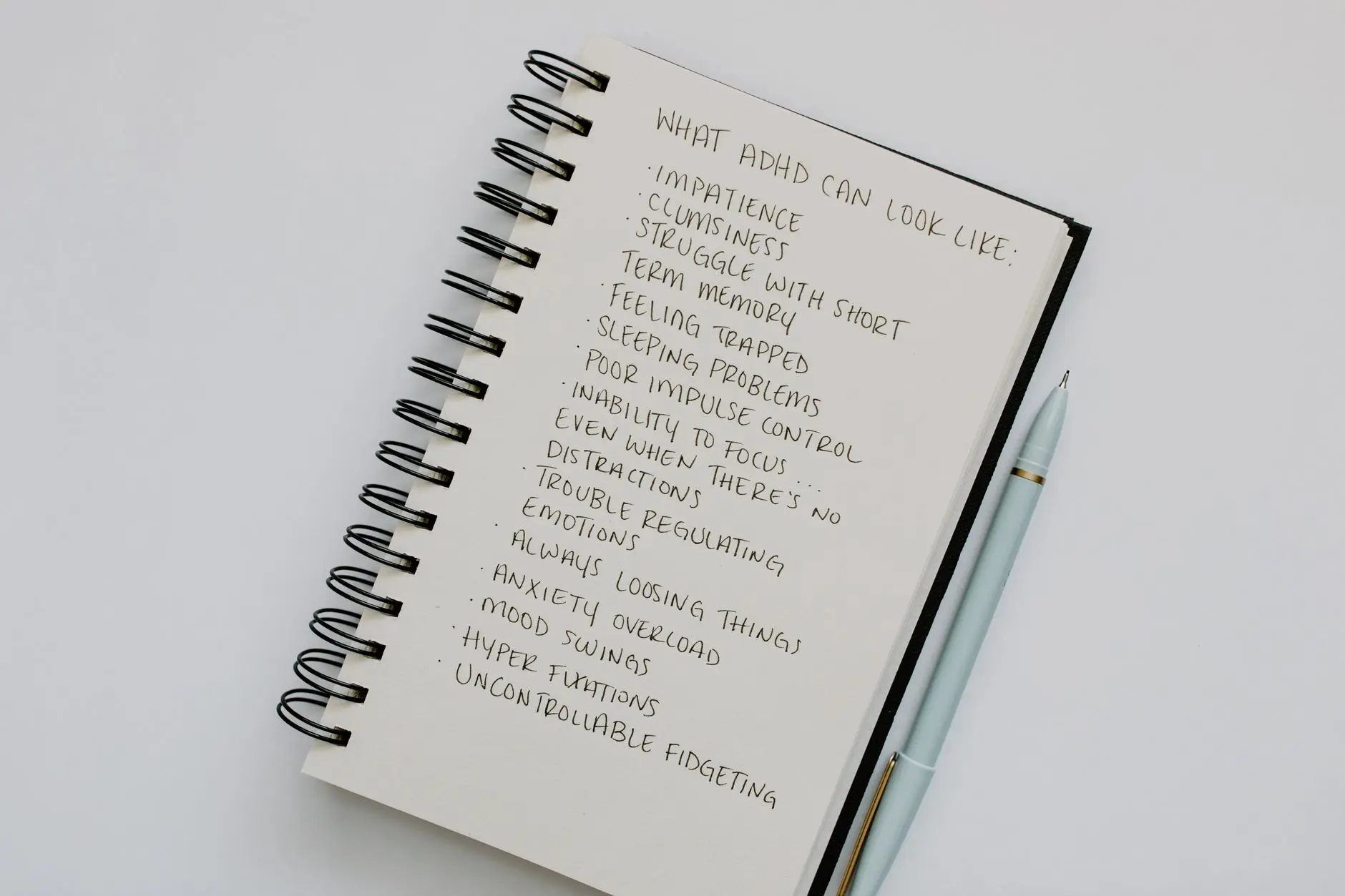
Your brain is a terrible notes app. It “saves” unfinished to-dos by replaying them on loop at 2 a.m., just in case you forgot. The workaround is almost embarrassingly simple: get them out of your head before you try to sleep.
Grab a notepad and spend 60 seconds writing down every lingering thought — tomorrow’s meeting, the text you meant to send, the thing you remembered while brushing your teeth. Full sentences not required. A messy list works perfectly.
Research reported by The Guardian found that people who wrote a specific, handwritten to-do list before bed fell asleep significantly faster than those who didn’t — especially when the list was forward-looking rather than a recap of completed tasks. Offloading switches the brain from “don’t forget” mode to “done for now” mode.
Bonus: tomorrow-you gets a ready-made list and feels weirdly productive before the coffee even kicks in.
Temperature, Light, and Sound Hacks

Here’s where the one-minute wins live. Your bedroom environment for sleep matters more than most people give it credit for — and fixing it doesn’t require a renovation.
Temperature: The Sleep Foundation recommends keeping your sleep space between 65–68°F (18–20°C). Your core body temperature naturally dips as you fall asleep, and a cool room works with that process instead of against it. Crack a window, nudge the thermostat, or swap your comforter. Fall is honestly the perfect time to stop sleeping in a sauna.
Light: Screens send blue light that tells your brain it’s noon. Harvard Health’s research on blue light shows it can suppress melatonin production for up to three hours after exposure. Dimming overhead lights 20–30 minutes before bed — or switching your phone to night mode — is a small change that compounds quickly.
Sound: Total silence isn’t always the answer. Cleveland Clinic notes that steady background noise — a fan, a white noise machine, or brown noise on your phone — can reduce nighttime interruptions by masking irregular sounds. Try it for a week and see if you stop waking up every time the neighbors close a cabinet.
READ ALSO: Bedroom Setup Tips for Actually Better Sleep
Fall Seasonal Shift: Recalibrate Your Sleep

Fall doesn’t just change the leaves — it nudges your internal clock. Shorter days reduce light exposure, which can shift when you naturally feel sleepy and leave you dragging through the afternoon without knowing why.
The good news: this is genuinely one of the best times of year to reset a sleep schedule. The CDC consistently points to consistent sleep and wake times — even on weekends — as the most effective single strategy for keeping your circadian rhythm steady through seasonal changes.
A few fall-specific moves that actually help:
- Get outside in the morning — even 10 minutes of natural light anchors your rhythm earlier in the day
- If you’re dragging by 4 p.m., shift your bedtime 15 minutes earlier each week rather than crashing harder on the weekend
- Notice early sleepiness around 8–9 p.m. — your body may be adjusting, and working with that signal is way easier than fighting it
The Sleep Foundation’s seasonal sleep research points specifically to morning light exposure as the most powerful anchor during the fall transition. Put the phone down and step outside before your first coffee. It’s free and it works.
READ ALSO: Fall Wellness Habits Worth Actually Keeping
Worth It? The Sleep-Habit Verdict
Three minutes feels almost insultingly small as a fix. But the research on evening routines for better sleep keeps landing on the same finding: it’s not about time, it’s about signal.
Repeat these cues consistently — even briefly — and you’re training your nervous system to recognize bedtime as bedtime. Cleveland Clinic’s sleep specialists put it plainly: sleep hygiene works because the brain builds association through repetition. Once the pattern is in place, sleep becomes easier to reach — not because you’re trying harder, but because your body already knows what’s coming next.
The first night might not feel magic. By the end of the week, the yawn comes earlier. Two weeks in, the routine feels automatic and the ceiling-stare sessions get shorter. Pick one thing from this list — the breath work, the body scan, or the brain dump — and start tonight. Add more next week if you want to.
No grand overhaul required. Three minutes, repeated. That’s the whole thing.
Want more habits that actually stick without the lecture? The DLM newsletter sends a weekly dose of smart hacks and low-effort upgrades — inbox joy, none of the noise.
UP NEXT: Morning Routines That Work When You Have Zero Willpower















Comments