Are you a newlywed living in your first apartment? Or maybe you’re moving to a brand-new condominium along with the rest of your family? Perhaps you’re even a long-time renter who calls the landlord for any old problem.
Here’s the thing: whether you’re renting your first property or are on your third, you should know that safe condo and apartment living isn’t just the landlord’s responsibility. It is your duty to protect your family and possessions.
Here are some practical measures you can start doing for rental home security:
Identify and Secure Possible Access Points
First of all, check your home for possible entry points, the most obvious ones being the doors to the outside (or to the corridor, depending on your exact living situation). See if they’re sturdy and in good condition.
If they tend to get stuck or don’t close easily, it can be a problem. Inform the landlord of any broken locks so they could be fixed or replaced.
Even if the locks aren’t broken, ask the landlord to replace them especially if the previous tenant was evicted and might still have a key. Do the same for locks on your windows and balcony doors.
Locks aren’t the only security mechanisms you have to consider. For each door, examine the strike plate (the metal plate that goes in the doorjamb) to make sure it’s sturdy and secure.
A good strike plate can reinforce the doorjamb in case someone tries to force their way in. Deadbolts, security chains, and peepholes are also good and simple features to consider but you may have to talk to your landlord before getting those installed.
Think twice before getting a safe
Many homeowners can get a safe to store their valuables in. A good safe is ideally one that is heavy; burglars and robbers usually want to take as much as they can and leave as quickly as they can.
An empty 1.2 cubic-foot safe can weigh 100 pounds, so it could be a good place to put valuables like jewelry, important documents, and electronics in. Owners can also bolt down safes for added protection.
However, getting a safe for your rental property may not be the best idea. If you’re on a short-term lease, moving a safe into your temporary home can be too troublesome.
Bedrooms in condos and apartments also have very limited space, and bolt-down safes may require installation that your landlord will not allow. If you’re renting a spacious property on a long-term lease and your landlord is easy to talk to, and you have very valuable items, consider getting one. Otherwise, you can maybe just get a small fire chest and keep it well hidden.
Opt for Video Surveillance
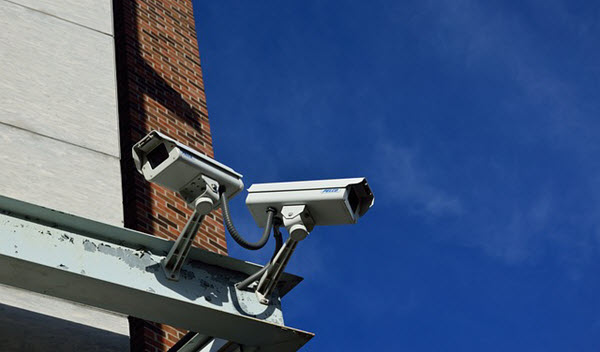
One advantage of condo-living is that many developers invest in CCTV cameras. These usually go in common areas like the lobby, elevators, and hallways. The cameras usually go to a live feed monitored by guards on duty, so even if they aren’t being recorded, unsavory individuals have to think twice before they do anything rash or dangerous.
But if you want better security, especially within your own living space, you’ll have to get CCTV cameras installed yourself. Even simple dome-type cameras can be installed with minimal disruption to the space’s original configuration.
Assuming you have a webcam set up in your home office, there’s software you can use to turn that into a security camera as well. And if you want even more discreet protection, you can get a nanny cam or other hidden cameras in case someone robs your home while you’re away.
See Also: 15 Budget Worthy Smart Home Improvements
Consider Getting Wireless Alarms
Long-term leasing is often cheaper in the long run, but it also means you’ve got to invest more in keeping your property safe in cases of emergency. Even the safest locations can, over time, become unsafe.
In that case, just relying on locks and safes may not be enough. You need a way to actually scare and deter potential invaders, which is where alarms would come in handy.
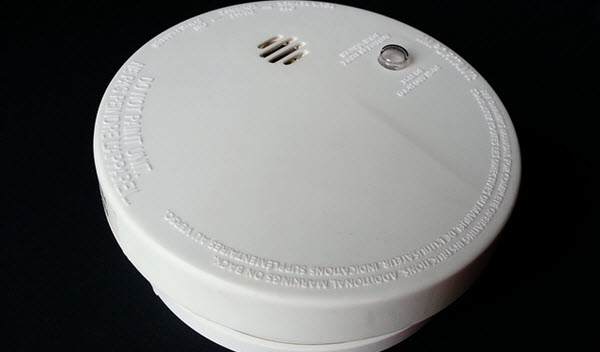
In the past, getting alarm systems installed in a rental home was tricky because it could require fairly major rewiring of the property which landlords would hesitate to agree to. Now, because of wireless technology, tenants can buy easy-to-install wireless alarms that just run on batteries.
The variety of motion sensors and security alarms in the market is staggering, and you can find something to satisfy practically any security need. You can also consider getting personal panic buttons and whistles for members of the family in case of emergencies.
Optimize Visibility
Of course, cameras are no good if the areas they’re monitoring are too dark. You may see faulty light fixtures and switches as a minor inconvenience but in a crisis situation, dim lighting can be dangerous, so make sure all light bulbs are working. Talk to your landlord if you have to. In case the light switches are oddly placed (for example, the switch for the dining room light is located in the living room), getting that fixed will probably require a longer talk with your landlord.
It’s also a good idea to place flashlights and LED lights in strategic locations around the house (hidden behind a houseplant or in a vase, for example) so that you have backup light sources in case of a night invasion. You also want to make sure intruders don’t have many places to hide so the more furniture you can place right up against a wall instead of in the middle of a room, the better.
Don’t Invite Trouble

Robbers and thieves take a big risk in breaking the law, and they most likely won’t bother if they don’t see a big payoff. That means you shouldn’t do anything that would entice them to try stealing from you.
Keep windows closed at night and make sure that expensive but easy-to-steal items, such as jewelry and gadgets, are not left in plain sight. Some people also favor putting alarm systems and CCTVs where they can be easily seen so strangers with bad intentions wouldn’t even try to break in.
The same goes for your online social media habits. We all know that it’s ridiculous to post pictures of your credit card online, but when you announce on social media that you plan to go on a long vacation, that could have the same consequences.
In fact, in the UK, that could even be a basis for insurance companies to invalidate your home insurance plan. Of course, you’ll also have to inform your landlord if you’re leaving the property unattended and for how long. Depending on the terms of your contract, you may not be allowed to go out of town for too long.
Get to Know Your Neighbors
Of all the tips to secure your condo or rental property, this is probably the least obvious. Cultivating a good relationship with your neighbors is a great way to make friends and be sociable, but it’s also practical. Neighbors can be your best defense when it comes to protecting your property when you’re away.
Even if you’re not going away on vacation, it can be handy to routinely talk to your neighbors every evening. If for some reason, you break from that habit, they may become concerned and see if anything’s wrong. In case they see that your property’s been broken into, they can report it to security or the authorities, who can then come to the rescue.
See Also: Home Security: Try These 10 Ways to Make Your Home Safer – Without a Gun
Prepare to Call for Help
Sometimes, despite all your efforts to keep unwanted visitors out, they can still get in. That’s why some of the tips to protect your apartment or condo would involve getting help during an invasion.
While panic alarms are a good choice, they’re not the best when you’re dealing with armed individuals. In that case, you need stealthier ways to get other people’s attention.
Store important emergency numbers on your cellphone so that you can call the authorities quickly. If you’re cellphone’s out of reach, try going for your landline phone instead.
Having a list of emergency numbers next to each of your phones would be a good idea. You also need to check if your unit has an intercom so you can call the guards in the lobby for assistance.
Some of the best plans are based on expecting the worst. That also applies when you’re living in an apartment or condo for rent. While nobody wants to live their life in fear or with a negative outlook, the reality is that trouble will come sooner or later.
To have peace of mind, you need a good set of security systems. All it takes is for you to be proactive and collaborate with your landlord about what you can and cannot do to protect your property.