


Let me be honest right away. The 2026 holiday season is not going to be quiet, basic, or predictable, and I am saying that with confidence. Think people will keep booking the same tired trips to the same overcrowded places? Think again. Travelers are sharper now, louder about what they want, and way more intentional with every decision they make. I have watched travel patterns build, shift, and explode over the years. 2026 is absolutely screaming copycat energy. One smart move goes viral. Suddenly everyone wants the same experience, the same view, and the same timing.
Planning trips randomly or last minute is over. Travelers now time trips around federal holidays, long weekends, and smarter leave purposes with almost surgical precision. Days are stacked like professionals, squeezing value out of every calendar gap. Everyone knows exactly when a holiday falls on a Friday, Monday, or following Monday. Aggressive planning happens around those dates. Yes, people are also watching pay schedules, public holidays, and workplace policies very closely. This is not casual travel anymore. This is strategic travel, and that mindset is what will shape every major destination in 2026. Let us get into it.
READ ALSO: Holiday Christmas Wallpaper You Didn’t Know You Needed
Why 2026 Is the Year Everyone Travels Smarter


The 2026 holiday calendar is packed, and people finally know how to use it. Federal holidays matter more than ever. Most federal employees understand how the united states code specifies holidays. The United States Code includes names designated for each federal holiday, such as ‘Washington’s Birthday’ and ‘Inauguration Day’. These official names are used in law and policy. Federal employees know when they work and when they do not. The president plays a key role in designating certain federal holidays, especially through executive orders and proclamations.
When a holiday falls near a weekend, people move fast. A holiday on Saturday is usually observed on the preceding Friday for Federal employees. Sunday holidays are usually observed on the following Monday for Federal employees. A preceding Friday or following Monday changes everything. State and local governments also follow different observed rules. That creates travel chaos, and I love it.
Long Weekends Are the New Luxury


Long weekends are not lazy anymore. Anyone who still thinks that is already behind. Strategic planning treats them like premium assets. Think about new year’s day landing on a Friday or a year’s day Monday situation. That single calendar shift instantly creates opportunity, urgency, and demand. People do not see it as just one day off anymore. A four day escape is what they see. A mini reset. A chance to travel without burning too much leave. One small date change sparks massive bookings across flights, hotels, and short stay destinations.
Most federal employees plan their time off around Friday schedule rules with serious intention. Exactly when federal employees work and when flexibility exists is carefully tracked. Private businesses often mirror those patterns because productivity drops anyway. Local governments frequently add state holiday observances on top of federal holidays, which only increases momentum. All of that combined means packed airports, fully booked hotels, and destinations trending faster than people expect. Long weekends have become the quiet power move of the 2026 holiday travel scene. Everyone is trying to copy the same playbook.
Washington DC Is Back and Loud About It
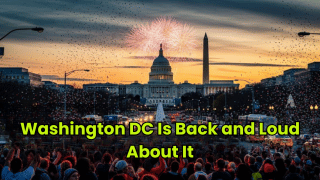

Washington is not just politics and museums anymore. The city shines during Washington’s birthday and presidents day. “Washington’s Birthday” is the official name designated by federal law for the holiday commonly known as Presidents’ Day. It is observed as a federal holiday in February. Add inauguration day during the fourth year, and hotels sell out fast.
State and local governments flood the city. The ripple effect spreads fast. Conferences stack up, school breaks line up, and weekend visitors show up for the same mix of history and energy. Hotels price up early. Dining spots fill with people who planned this trip like a mini peak season. By the time you add parades, exhibits, and the easy walkability of the National Mall, February stops feeling like an off-month. It becomes a high-demand window where Washington, DC looks sharp, runs loud, and stays busy.
Summer Trips Built Around Independence


Independence Day trips in 2026 are set up to be a real magnet for bookings. Independence Day creates that “everyone had the same idea” energy, especially when July 4 lands close to a weekend. People do not just take a day off. Days get stitched together to turn one holiday into a mini season. Flights, road trips, and beach towns start feeling busy before the fireworks even start.
Here is where the planning gets messy in a very predictable way. Some workplaces observe July 3, while others stick to July 4. A few roll the time off into the following Monday. Federal employees, private businesses, and cities all play by slightly different calendars. Families and friend groups rarely match schedules perfectly. That “wait, are we off Friday or Monday?” moment is exactly what pushes people to book longer stays, just to cover all possibilities. Once you see hotels pricing by the night and not by the holiday, you realize the confusion is basically a travel strategy.
READ ALSO: Greatest Adventure Plans That Will Make You Pack Fast
June Is No Longer Underrated


June is not the quiet warm-up month anymore. June 19 now creates a real travel wave because national independence celebrations give people a solid reason to get out of town. This shift is not just symbolic or “nice to acknowledge” energy. It changes how people plan PTO, how families sync schedules, and how early-summer destinations fill up.
The interesting part is how uneven the calendar can feel across states and workplaces. State holiday rules differ, so some government offices close while others stay open. Private companies often follow their own internal policies. People are forced to plan leave on purpose, not randomly, because one extra day off can turn a normal weekend into a longer reset. Once that happens, June stops being a filler month between spring and peak season. It becomes officially hot, booked, and competitive in the same way July usually is.
Fall Travel Is the Sneaky Winner


October travel really is elite when you understand the calendar. The weather is comfortable, prices can be calmer than peak summer, and the holiday timing creates clean breaks. Columbus Day and Oct. 12 open sneaky planning windows. In 2026 the holiday lands on Monday, October 12, which makes the long-weekend math easy. When that Monday sits close to your usual weekend rhythm, people move fast. The best flights and hotels start disappearing early.
What makes October even better is how layered it gets once you look beyond the federal holiday. Local government schedules vary, so some offices and schools may follow different rules or add extra closures. Other observances can also shift routines. Jewish holidays often affect school calendars in a way travelers notice quickly. That mix creates pockets of high demand in some cities and quieter openings in others. If you plan around those layers, October becomes a smart, strategic month that feels planned, not crowded.
Veterans Day Drives November Movement


Veterans Day on Nov. 11 is huge for timing, not just meaning. In 2026, Veterans Day lands on Nov. 11, and Thanksgiving follows on Nov. 26. November becomes a month people map like a strategy board. When Nov. 11 hits midweek, travelers build around it instead of ignoring it. A Wednesday holiday is especially powerful. It can turn into a clean two- or three-night trip with just one or two leave days.
Here is the part that quietly drives even more movement. Federal holidays do not always mean everyone is off at the same time. Many federal employees may be off, but private businesses often decide differently. Staggered “free days” across friend groups and families create gaps. Those gaps push people to extend trips to overlap schedules, or to travel earlier to dodge crowds. The result is a steady travel pulse through November, not just one big rush.
READ ALSO: Foods On Thanksgiving Dinner Ranked From Best To Worst
Thanksgiving Is Still a Beast


Thanksgiving Day is still a beast. November 26 is the date everyone circles for 2026. Thursday travel chaos is basically guaranteed. People stack family plans, food traditions, and limited time off into the same tight window. Some travelers leave the preceding Friday to get ahead of the rush. Others return Sunday or Monday to squeeze in one more day. Airports brace for impact every November. Traffic patterns start building days before the holiday even arrives.
What makes the calendar even more intense is how it connects to other long-weekend behavior earlier in the year. Memorial Day, observed on May 25, 2026, is another major U.S. holiday that travelers use to create long weekends. It kicks off summer travel season momentum. Once people get used to stretching time off in May, they bring that same mindset into the fall and winter, especially around Thanksgiving. The result is a year where holiday travel feels more strategic, more planned, and somehow even more crowded when you wait too long to book.
READ ALSO: Thanksgiving Day Side Dishes That’ll Steal the Show
December Is Not Just Christmas


December travel is layered. Christmas Day on Dec. 25 is only the start of the planning. Christmas rules vary widely across workplaces, so the same week can look totally different from one household to the next. Some people observe time off on Friday, others on Monday. That single difference changes flight prices and hotel demand fast. Federal employee schedules can also shift travel patterns. Late December can feel busy even before Christmas actually arrives.
Then the calendar stacks even more reasons to move. Kwanzaa runs from Dec. 26 to Jan. 1. New Year’s Eve falls on Dec. 31, 2026, so the festive window stretches longer than most people expect. Pay timing matters too, since year-end payroll dates and bonuses often influence when families book and how long they stay. Put it together and December becomes strategy season. Winners are the ones who plan around the full week, not just one holiday date.
READ ALSO: Christmas Day Vacations You’ll Brag About All Year
New Year Travel Is Getting Smarter


New Year travel is getting smarter because New Year’s Day is no longer just a party date. January 1 placement matters. The weekday it lands on can change how people plan the entire first week of the year. When New Year’s Day falls on a Saturday or Sunday, the “real” time off often shifts. Travel behavior flips. People either travel earlier to catch the weekend energy, or they book a longer reset that blends into the following workweek.
When observed holiday rules kick in, cities fill faster than you would expect for early January. Observed rules create pockets of high demand because different workplaces and institutions follow different calendars. That mix makes January travel feel calm on the surface, but very intentional underneath. Travelers choose dates that maximize time off and minimize crowds. The result is a quieter type of peak season, where the smartest bookings happen before everyone else realizes it.
READ ALSO: Ideas for New Year Party That Go Way Too Hard
Exploring History: Destinations With a Story


If you want your 2026 holiday to stand out, go where history still feels alive. The United States is packed with destinations that turn federal holidays into real-world stories, especially when a holiday lands on a Monday or gets observed on a Friday. That timing gives many federal employees, and plenty of private workers, a clean window to travel. Cities like Washington, Philadelphia, and Boston get louder and more animated around Washington’s Birthday, Presidents Day, and Independence Day. Parades, reenactments, and museum programming feel built for visitors. Keep in mind that federal holiday lists are consistent, but state and local observances can add twists. One city might feel like a full festival while another stays more low-key.
If you want a calendar that practically plans the trip for you, follow the big dates and the local rules. Veterans Day on November 11 often brings ceremonies in cities with strong military roots. Midweek timing can shift closures and events depending on local observance patterns. Martin Luther King Jr. Day, Labor Day, and Columbus Day also create travel windows with their own themes. Jewish heritage sites and community observances can add another layer to your itinerary. Thanksgiving and Christmas are classics, but the way institutions celebrate can surprise you. Inauguration Day in Washington adds a high-energy option every fourth year. The move is simple: check how the city actually observes the holiday, then plan around it so you catch the best events and skip the worst crowds.
READ ALSO: Historical Trivia You’ll Pretend You Already Knew
How Laws Quietly Shape Travel


Federal holiday law matters because it quietly sets the rhythm for how the country moves. United States Code lists federal holidays for a reason. Those dates influence everything from office closures to school calendars and travel demand. When laws or official guidance shape which days are recognized, people respond fast with PTO planning, early bookings, and longer weekend builds. Even small shifts in observance rules can ripple into flight prices, hotel availability, and packed highways.
Then the layers start stacking, and that is where travel planning gets interesting. State holiday rules can add extra closures, rename observances, or treat the same date differently depending on local policy. Some places follow the closest Friday or Monday pattern, while others keep the date fixed. Crowds form differently city by city. Add in designated observances and alternate names, and you get a calendar that is more complex than it looks. Smart travelers study those details. Rules often reveal the best windows before everyone else notices.
Why Everyone Will Copy These Trips


Once people see how others stack holidays into longer breaks, it spreads fast. Travel stacking becomes contagious because employees compare schedules, friends coordinate leave, and families copy itineraries that look “easy” on the calendar. Institutions adjust too, adding special programming when they know visitors are coming. Cities prepare by ramping up events, staffing, and seasonal marketing. The destination feels even more worth the trip.
This is not luck. Pattern recognition is built into how modern travel works. Long weekends create predictable demand spikes. 2026 is full of dates that reward early planners. Winners are the ones who watch observed rules, local closures, and school calendars, then book before prices climb. Dreamers wait for a perfect moment and end up paying for it, usually in higher fares, fewer hotel choices, and crowded everything.
READ ALSO: 6 Best Apps for Finding Cheap Flights
Final Note Before You Book


Here is my note before you book: watch the calendar like it is part of your itinerary. Watch where a holiday lands on the week. Monday, Friday, and midweek holidays create totally different travel waves. Watch who is actually off, and who still works. Federal schedules, school calendars, and private companies rarely line up perfectly. That mismatch is exactly what creates the best travel windows, and the worst surprise crowds, depending on how you plan.
2026 will not wait for you. The best dates will not stay cheap for long. Book early when the calendar gives you a clear long-weekend advantage. Plan smarter by checking local observance rules and closures before you lock in details. When you do that, you travel with less stress, better options, and more control over your time. And yes, you will probably get copied, because everyone loves a trip that looks effortless.
UP NEXT: 10 Awesome Websites To Check Before You Travel This Holiday Season




















Comments