



The Real Meaning Behind the Success of Education

The success of education is not only about grades or a diploma. Real success appears when education shapes better lives, stronger communities, and confident students who know how to grow. When people talk about education today, they often focus on exams. I disagree with that narrow idea.
Education should help students learn skills, gain knowledge, and understand the world around them. When a school truly focuses on quality education, students gain tools that guide them through life. Those tools help them pursue career goals and discover opportunities they never imagined.
In my experience observing many school systems, the strongest programs always focus on development, support, and access to learning resources. When these pieces work together, the program works and students succeed.
Why Education Builds the Foundation of Life
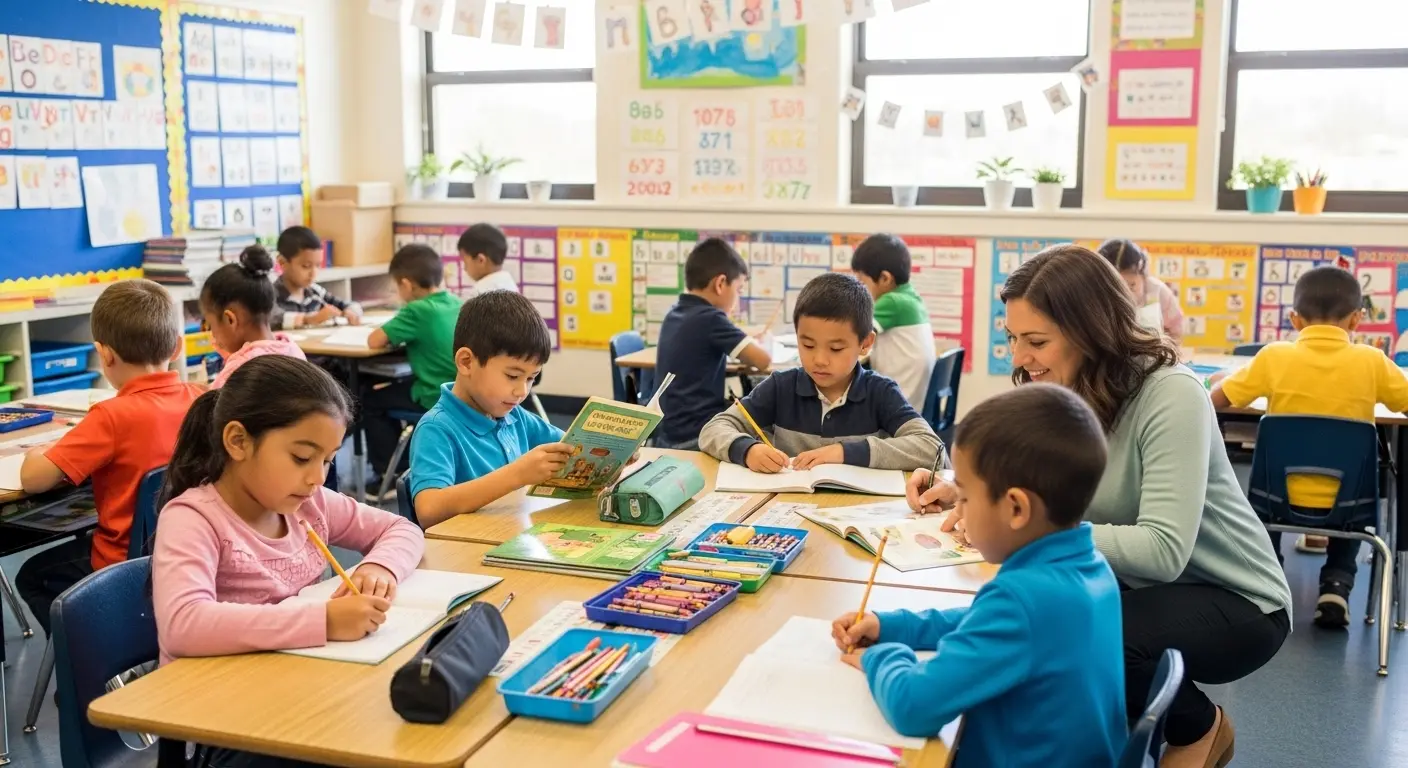
Education shapes how children understand life. From preschool to high school and even university, every stage builds essential knowledge and skills. When schools focus on strong learning foundations, students become more confident and curious.
Many children first discover their interests inside the classroom. Teachers introduce lessons that spark creativity, innovation, and curiosity. These early experiences can influence career opportunities later in life.
Families also play a huge role. When parents support learning and encourage children to focus on school, students often thrive. That partnership between families, teachers, and communities makes a powerful difference.
READ ALSO: How a 529 Plan Can Help You Save for Your College Education
Schools as Centers of Growth and Development
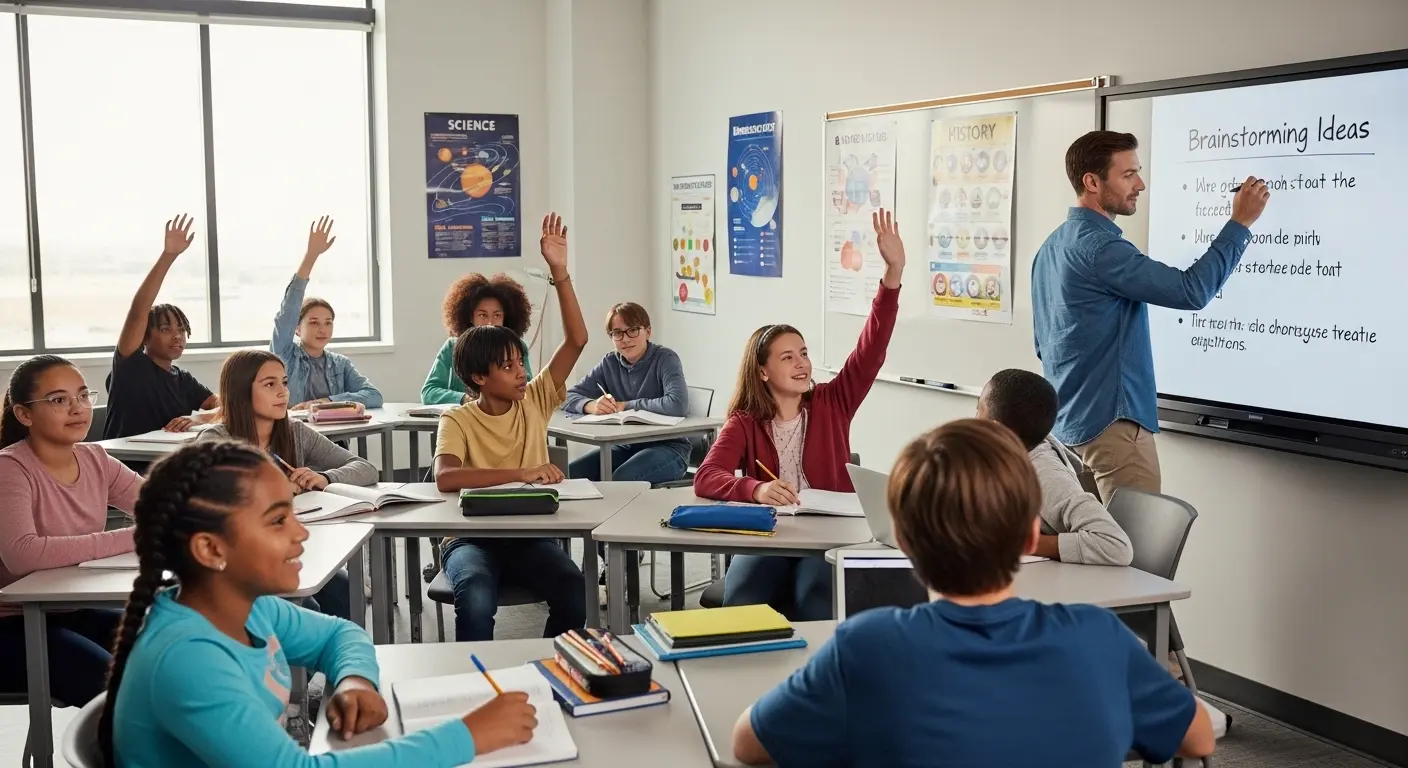
A good school does more than teach facts. Schools serve communities by helping children develop social skills, emotional intelligence, and confidence. These qualities help students succeed both personally and professionally.
Teachers guide students through important stages of development. They help students understand complex ideas, practice critical thinking, and apply knowledge in real situations. Strong classroom guidance also improves academic performance.
Schools also promote innovation and improvement through programs that encourage creativity and research. These programs help students explore interests and develop talents that shape their future.
How Higher Education Opens Doors
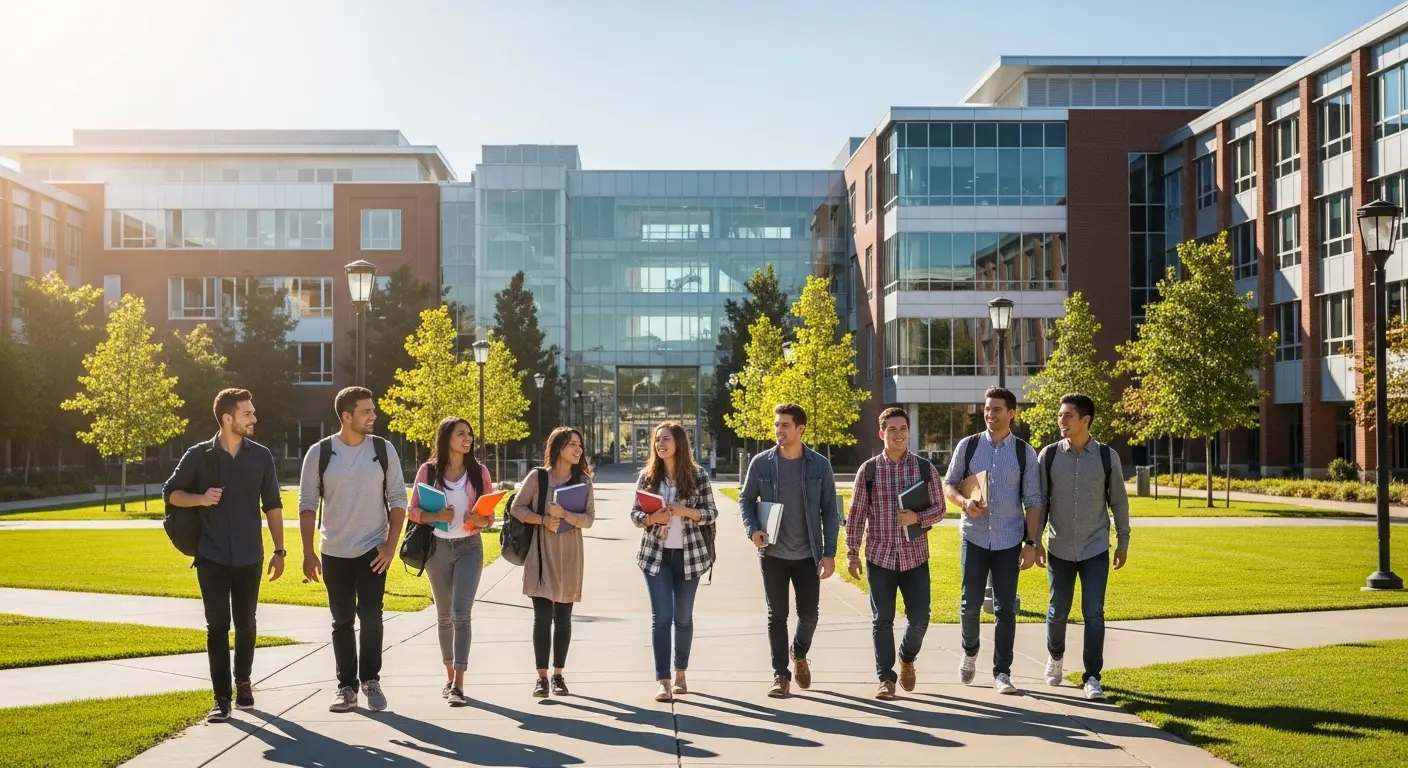
Higher education creates powerful opportunities for students. Many students pursue postsecondary education to gain specialized skills and deeper knowledge in their chosen field.
A college degree or university training often leads to stronger career opportunities. Employers value a skilled workforce that understands technology, communication, and problem solving.
Higher education also supports personal and professional growth. Students learn independence, leadership, and decision making. These experiences prepare them for real world challenges.
READ ALSO: How Can Virtual Classrooms Enhance Homeschool Education?
The Role of Teachers and Educators
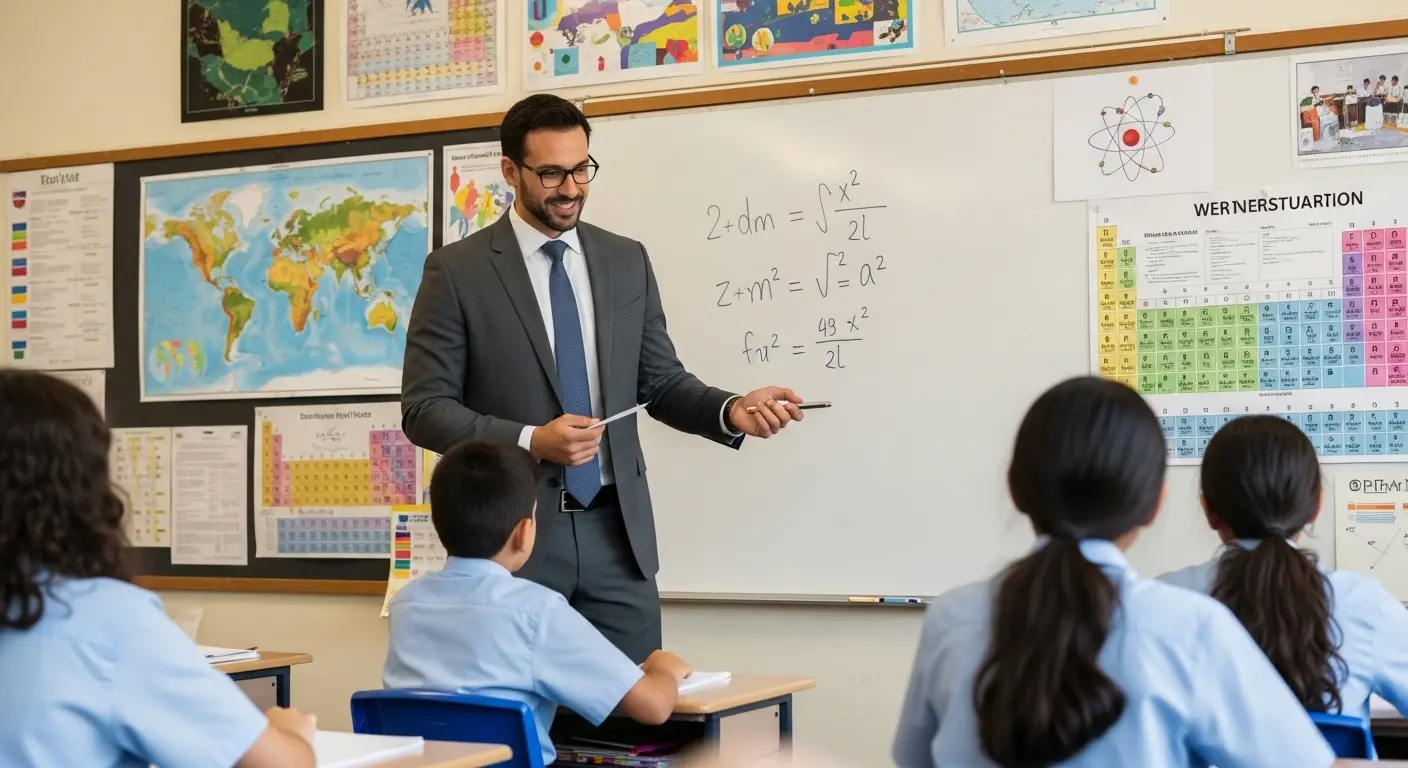
Teachers are often the heart of education. Great teachers inspire students to learn, question ideas, and discover their full potential. Their influence can shape a student’s entire future.
Educators also understand that each student learns differently. They use tools, strategies, and resources that help children develop their abilities. With the right support, students can overcome challenges and succeed.
Teachers also serve communities by guiding children toward graduation and lifelong learning. Their commitment builds strong partnerships between school, families, and society.
Education and Economic Development

Education does more than help individuals. It also supports economic development and economic growth across society. When people gain skills and knowledge, communities become stronger.
A skilled workforce attracts new industries and innovation. Businesses want employees who understand technology, communication, and problem solving.
When education leads to employment opportunities, families escape poverty and communities grow stronger. This creates lasting benefits for the entire world.
READ ALSO: How Students Can Change The World With STEM Education
Learning Skills for the Future
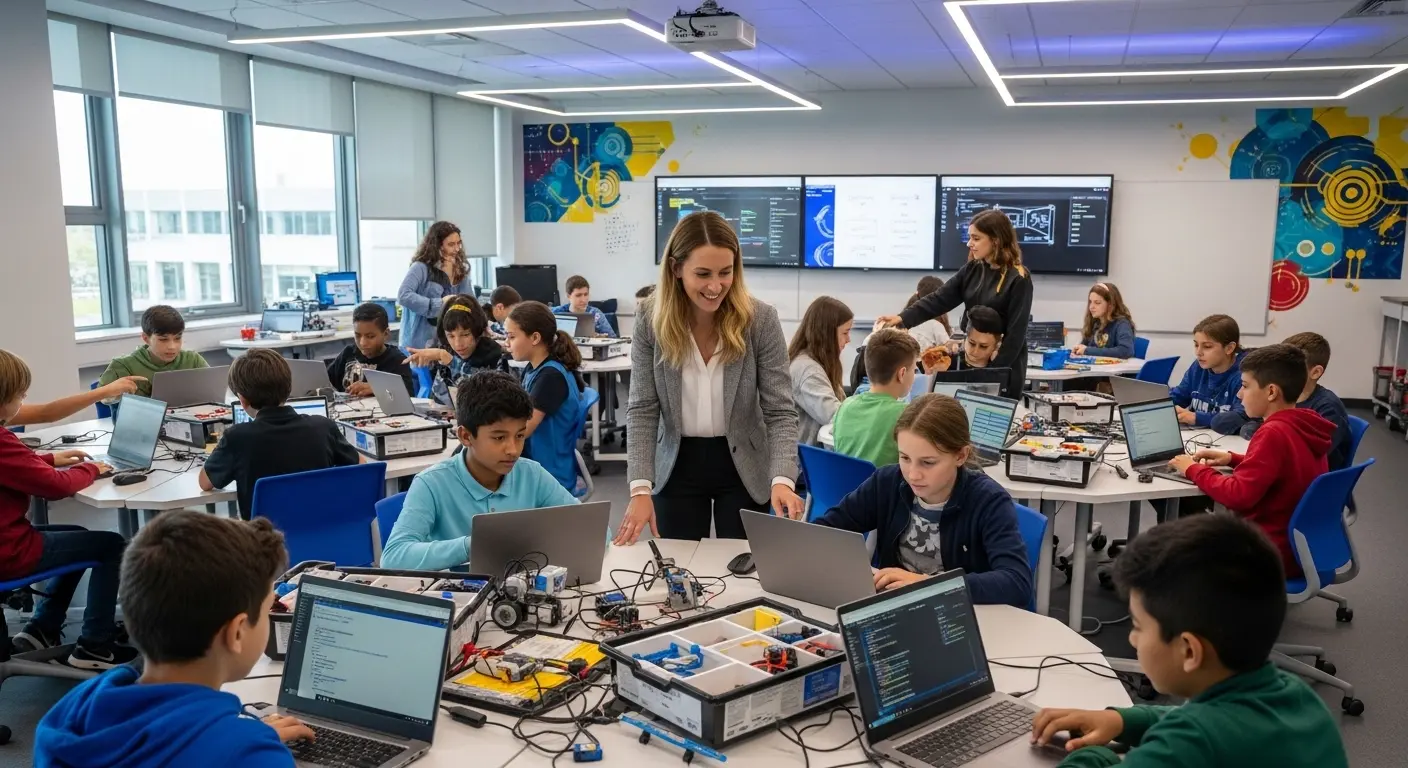
The future demands adaptable skills. Students today must learn more than memorization. They need critical thinking, collaboration, and creativity.
Modern schools focus on developing skills that prepare students for the changing workforce. Programs often include technology training, entrepreneurship ideas, and research based learning.
These learning experiences help students remain competitive in a fast changing world. Education gives them the ability to adapt and thrive.
The Importance of Community Partnerships
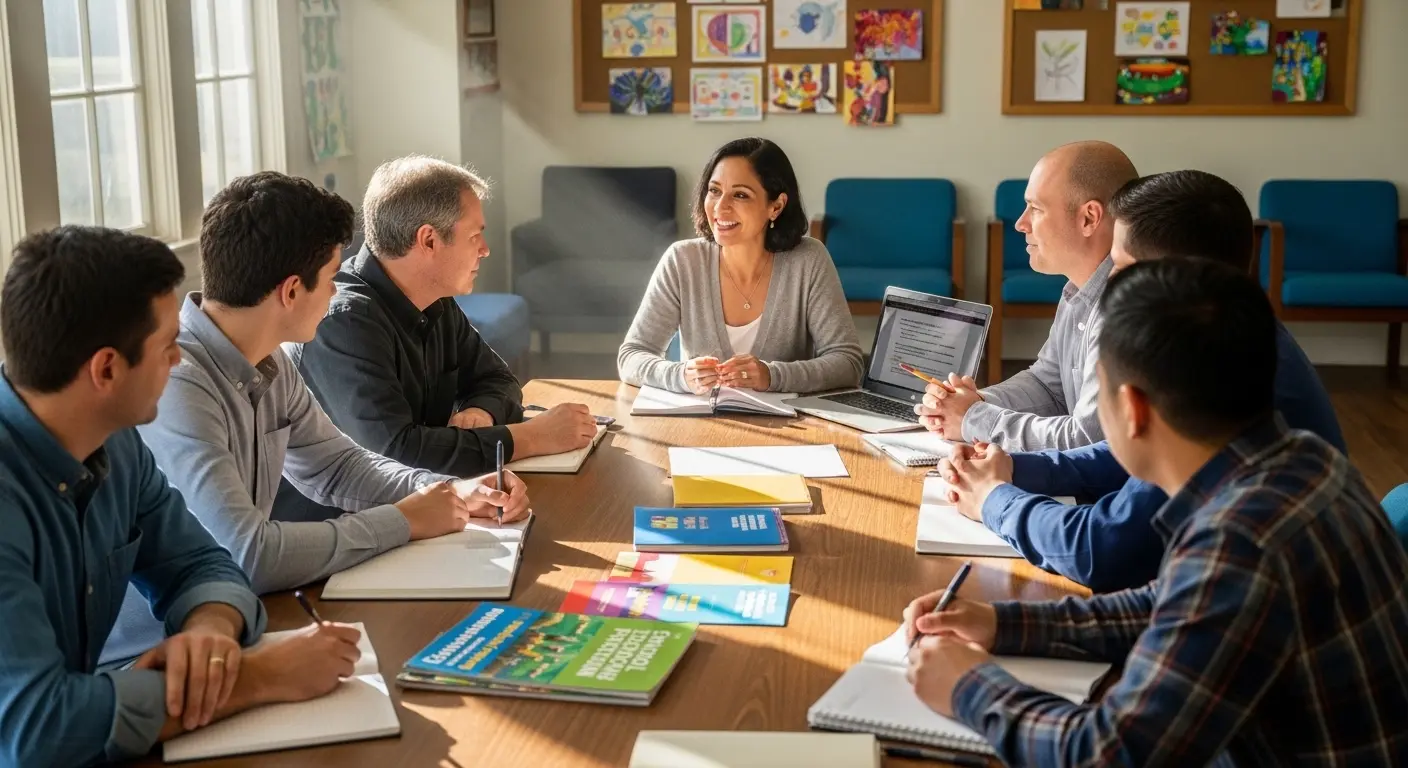
Strong education systems rely on partnership. Schools, families, businesses, and communities must work together to support students.
Community partnership programs provide resources, mentorship, and training opportunities. These partnerships allow students to see how education connects to real life careers.
When communities support education, children gain confidence and motivation. They begin to see how their learning can lead to meaningful success.
READ ALSO: Preventing Phishing With Education
Lifelong Learning Beyond School

Education does not end at graduation. Successful students often become lifelong learners who continue developing knowledge and skills throughout life.
Universities, training programs, and online courses give adults access to learning opportunities at any age. These options help people pursue professional growth and adapt to new industries.
Lifelong learning also encourages curiosity and innovation. People who continue learning often find creative ways to solve problems and contribute to society.
Creating Opportunities for Every Student
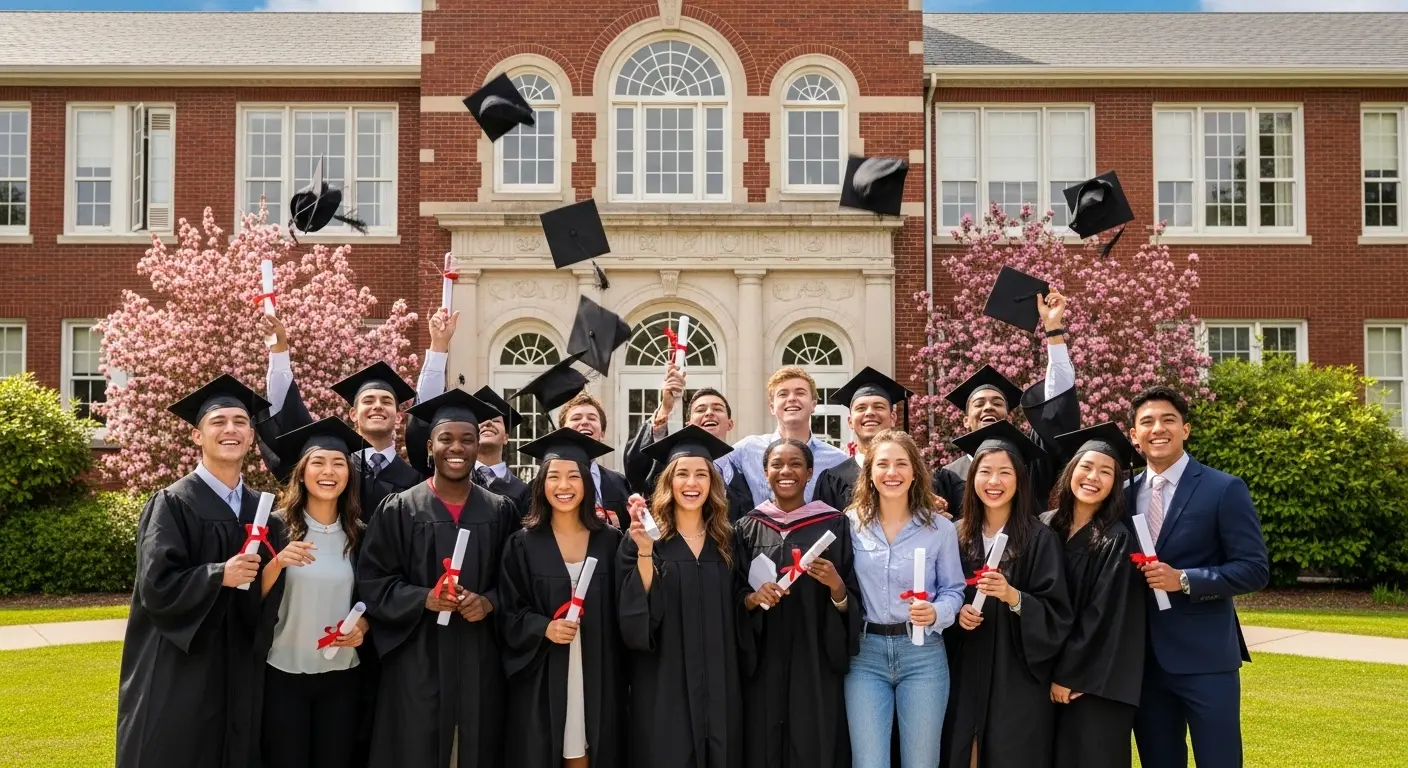
Access to quality education remains a challenge in many communities. Especially those facing poverty or limited resources often struggle to provide equal learning opportunities.
Programs that support early education, preschool access, and high expectations can change lives. When children receive support from parents, teachers, and educators, they can reach their full potential.
The success of education ultimately depends on collaboration between schools, families, universities, and communities. When society invests in education, students gain the power to succeed and improve the world.
UP NEXT: 6 Basic Principles Of Designing An Educational Logo


















2 Responses
Amazing work here
Comments