


If you have ever cried halfway through a trail, welcome. Hiking boots and shoes can either save your day or absolutely wreck your feet. I have worn bad boots, broken them in the hard way, and paid the blister tax more times than I like. Consequently, this guide exists so you do not repeat my mistakes. We are talking real hiking boots, shoes that actually work, not pretty lies from a shelf.
I hike a lot. Day hikes, long hikes, casual day hikes, messy backpacking trips, and cold weather walks. Over the years, I have tested boots, shoes, trail runners, and trail running shoes across rugged terrain. I care about feet, comfort, stability, and not limping home. So buckle up. I have opinions.
READ ALSO: Snow Boots Built for Snow Days and Slay Days
Introduction to Hiking Footwear
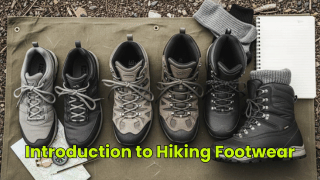

Hiking footwear is the foundation of every adventure. Whether you’re heading out for a casual day hike or tackling rugged, uneven terrain, your choice matters. The right selection—be it hiking boots, hiking shoes, or trail runners—can make the difference between an enjoyable trek and a painful experience. With so many options available, it’s easy to feel overwhelmed. But the core purpose remains the same: your feet need proper support, reliable grip, and protection that matches the trail conditions.
Before setting out, consider the terrain you’ll cover. Think about the distance you plan to hike and how much stability or flexibility your feet require. Boots offer durability and ankle support. Shoes provide a balance of comfort and agility. Trail runners favor speed and lightweight performance. Ultimately, the best hiking footwear isn’t about style—it’s about keeping you comfortable, protected, and confident so you can focus on the journey ahead.
READ ALSO: Tips on Choosing the Best Compass for Hiking
Why Your Feet Hate Most Boots

Most boots fail because they ignore how feet actually move. Feet swell, flex, slide, and get tired. Unfortunately, hiking boots that feel fine in a store often feel evil after five miles. The heel rubs, the toe jams, and the ankle screams. Most boots fall short of providing exceptional comfort. This is essential for reducing fatigue and enhancing the overall hiking experience, especially on long, tough terrains.
Another issue is bad design choices. Too stiff, too heavy, or zero cushion can ruin a trip. Notably, comfort is a key factor in hiking boot performance. Many models are specifically designed for extended wear without discomfort. Despite this, most boots also ignore women’s feet entirely. This causes other issues like pressure points and poor stability. Your feet deserve better protection and smarter footwear.
The Real Difference Between Hiking Boots and Hiking Shoes
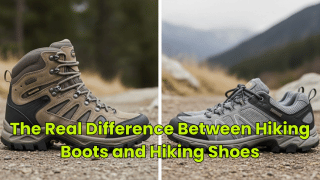

Hiking boots and hiking shoes are designed for different styles of hiking. Understanding those differences can help you choose the right footwear for your adventures. Hiking boots are typically built with more structure. They offer added ankle support, thicker materials, and greater protection from rocks, roots, and rough trail conditions. Hiking shoes, on the other hand, prioritize flexibility and lightweight comfort. They feel more natural and less restrictive on the foot. Neither option is inherently better—it all comes down to how and where you plan to hike.
On uneven or technical terrain, especially when carrying a heavier backpack, backpacking boots often shine. They provide stability and reduce foot fatigue over long hours. For shorter trips, well-maintained trails, or casual day hikes, hiking shoes or even trail runners can feel incredibly comfortable and efficient. They allow for quicker movement and less strain. Ultimately, the right choice depends on the terrain you’ll face, the weight you’ll carry, and how your feet respond after hours outdoors. Matching your footwear to your hiking style ensures better comfort, confidence, and enjoyment on the trail.
Check out this SHULOOK Men’s Waterproof Hiking Boots here.
Ankle Support Is Not a Myth
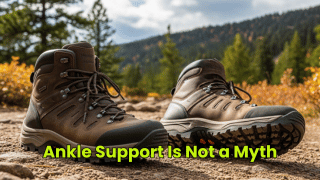

Ankle support is not a myth, even though it’s one of the most debated topics in hiking footwear. High-top hiking boots can genuinely help protect your ankles. This is especially true on rugged, uneven terrain where loose rocks, roots, and sudden drops are common. They’re particularly useful when carrying a heavier backpack. The added weight increases strain on your ankles and makes missteps more likely. In wet or slippery conditions, a supportive boot can also add confidence by helping control unwanted side-to-side movement.
That said, ankle support only works when the boot fits properly and is designed well. A sloppy or poorly fitted high-top boot won’t magically prevent injuries. In fact, it can make things worse by allowing excess movement inside the shoe. True stability comes from the entire system working together: a supportive outsole that grips the ground, a firm heel structure that keeps your foot aligned, and a secure lacing system that locks everything in place. When these elements work in harmony, ankle support becomes a real advantage rather than just a marketing claim.
Cushion Is Not a Luxury


Cushion is not a luxury—it’s a necessity. This is especially true on longer hikes where repeated impact adds up over time. While stiff, hard boots may feel durable at first, they often punish your feet after miles of rocky trails and downhill sections. Adequate cushioning helps absorb shock with every step. It reduces stress on your feet, knees, and joints. This added protection can make a significant difference in overall comfort and endurance. It allows you to hike longer without fatigue or soreness setting in too early.
This is where trail running shoes often stand out. Designed with generous cushioning and responsive midsoles, they provide a softer, more forgiving ride. Many hikers find this hard to give up once they try it. As a result, more hikers are switching to trail runners. They appreciate not only the comfort but also the lightweight feel and quicker drying performance in wet conditions. When cushioning is paired with flexibility, your feet can move more naturally while still being protected. This creates a balance that keeps your feet happy even on rocky, uneven trail surfaces.
Waterproof Hiking Boots Versus Breathable Shoes
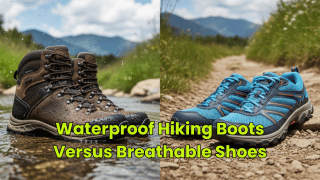

Waterproof hiking boots sound like the perfect solution. That is, until your feet start to feel hot, damp, and uncomfortable. In the right conditions, waterproofing is incredibly valuable. For wet trails, snow, muddy paths, or cold weather hikes, waterproof boots help keep feet warm and protected from external moisture. Liners such as Gore-Tex are designed to block water from entering while still allowing some breathability. This makes them a solid choice when staying dry is a top priority.
However, waterproof footwear comes with trade-offs. Once water gets inside—whether from sweat, stream crossings, or rain running down your legs—waterproof boots tend to dry very slowly. In warm or dry climates, breathable hiking shoes or trail runners often perform better. They allow moisture to escape and dry quickly after getting wet. In many cases, wet feet that dry fast are far more comfortable than feet trapped in moisture all day. Choosing between waterproof and breathable footwear ultimately depends on weather, temperature, and how wet the trail is likely to be.
When Backpacking Boots Actually Matter
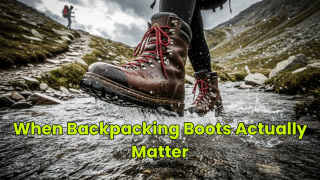

Backpacking boots truly matter when the weight on your back increases. A heavy pack changes your posture, balance, and the way your feet strike the ground with every step. As load increases, so does the stress on your feet, ankles, and lower legs. Stability and support become far more important than sheer comfort alone. In these situations, ankle protection, underfoot support, and overall durability become critical factors. They help you stay safe and reduce fatigue over long distances.
Backpacking boots are built specifically for these demands. They often feature tougher leather or reinforced uppers. Look for deeper and more aggressive lugs for traction, and stiffer, reinforced outsoles that prevent foot strain on sharp rocks and uneven terrain. These design elements allow them to handle rugged trails, harsh weather, and multi-day trips far better than lightweight hiking shoes. While they may feel heavier, backpacking boots provide the confidence and protection needed when conditions are demanding and the miles keep adding up.
Trail Runners Are Not Just for Running


Trail runners are not just for running—they’ve fundamentally changed how many people approach hiking. Designed for efficiency and movement, trail running shoes offer exceptional comfort, natural flexibility, and impressive grip on a wide range of surfaces. Because they’re lightweight and responsive, many hikers now choose trail runners. They use them not only for short day hikes but also for long-distance hikes where reduced foot fatigue matters more than rigid support.
Trail runners work best on well-maintained trails and moderate terrain. Speed and agility are more valuable than maximum protection in these settings. With less ankle structure, they encourage better foot awareness and more deliberate movement. This can actually improve balance for experienced hikers. While they’re not ideal for heavy loads or extremely rugged terrain, trail runners can feel incredible when used appropriately. If you hike smart, manage your footing, and match the shoe to the trail, trail runners deliver a level of comfort and freedom that’s hard to beat.
Check out this ASICS Men’s Gel-Venture 10 Running Shoes here.
READ ALSO: 13 Best Shoes for Plantar Fasciitis • Top Product Reviews of 2026
Grip Can Save Your Life
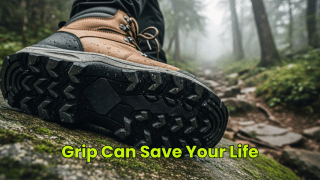

Grip can save your life, and it’s one feature that should never be compromised. Slippery rocks, wet roots, loose gravel, and deep mud demand a strong, reliable outsole. It needs to keep you upright when conditions turn sketchy. No matter how comfortable or lightweight a shoe is, poor traction can quickly turn a hike into a dangerous situation. That’s why outsole design and rubber quality matter just as much as cushioning or support.
Outsoles made with proven compounds—like those from Vibram—have earned a reputation as a gold standard. They deliver grip and durability across hiking boots, shoes, and trail runners. When choosing footwear, look for deeper, well-spaced lugs if you expect mud, snow, or soft ground. Shallow lugs tend to slip on rugged or uneven terrain. Strong grip translates directly into confidence, stability, and control. It helps you move more safely and avoid those heart-stopping moments that can happen when traction fails outdoors.
The Importance of a Good Lacing System
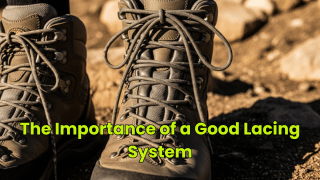

The importance of a good lacing system is often overlooked. But it can completely change how hiking footwear performs on the trail. A well-designed lacing system helps lock the heel in place, supports the ankle, and prevents painful toe bang on steep descents. When lacing works properly, your foot stays stable inside the boot or shoe. This reduces friction and improves overall control. In contrast, cheap laces or poorly designed eyelets allow the foot to slide around. This leads to hot spots, blisters, and unnecessary foot fatigue over long distances.
Look for footwear that uses a combination of hooks, reinforced eyelets, and distinct lacing zones. These allow you to adjust tension where you need it most. The best hiking boots and shoes let you fine-tune the fit depending on the terrain. Looser across the forefoot for uphill comfort, tighter around the ankle for descents, and balanced tension for flat trail walking. When your lacing system works with your foot rather than against it, every step feels more secure, comfortable, and efficient.
Why Fit Beats Brand Every Time
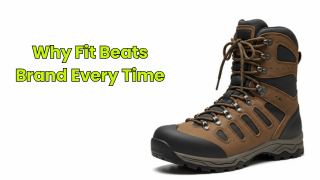

Fit beats brand every time, no exceptions. It does not matter how popular a brand is or how many glowing reviews it has. If it does not fit your feet, you should walk away. For example, Merrell works extremely well for many hikers, but that does not mean it will work for everyone. Brand loyalty means nothing if your feet are miserable halfway through a hike.
Feet shapes vary far more than most people realize. Some hikers have wide forefeet and narrow heels. Others deal with high arches, flat feet, or pressure points that only show up after hours of walking. All of these factors influence how a boot or shoe feels over time. Even the most expensive or well-built hiking boots become useless if they cause pain, numbness, or blisters after an hour on the trail. The best hiking footwear is the one that fits your unique foot shape comfortably and consistently, mile after mile.
Women Need Better Hiking Footwear
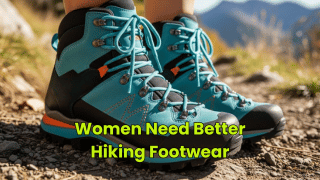

Women need better hiking footwear. That starts with boots and shoes designed specifically for women—not simply scaled-down versions of men’s models. Foot anatomy differs in meaningful ways, including heel shape, ankle position, arch height, and overall foot volume. When these differences are ignored, even high-quality footwear can feel unstable, uncomfortable, or fatiguing over long hikes. Proper design matters just as much as materials and construction.
Well-designed women-specific hiking boots and shoes improve comfort, stability, and performance on the trail. A secure heel fit reduces slipping. Correct arch support improves endurance. Better ankle alignment increases confidence on uneven terrain. When brands take women’s biomechanics seriously, the difference is immediately noticeable mile after mile. If a brand ignores these needs or treats women’s footwear as an afterthought, it’s worth skipping. Your feet deserve better support and thoughtful design.
Check out this Columbia womens Newton Ridge Plus Waterproof Amped here.
Men’s Hiking Boots
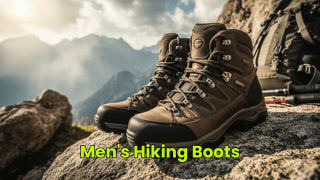

Men’s hiking boots are built to handle tough trails and unpredictable terrain. They make a solid choice when stability and protection matter most. These boots focus on delivering strong ankle support, underfoot stability, and durable construction. They handle rocks, roots, and uneven surfaces well. Features like waterproof membranes help keep feet dry in wet conditions. Aggressive outsoles provide reliable grip on slippery or loose terrain. A well-designed lacing system that locks the heel in place is also essential for maintaining control and preventing foot movement inside the boot.
On longer hikes, comfort becomes just as important as protection. Maximum cushioning and a solid heel structure help absorb impact, reduce fatigue, and keep your legs feeling fresher mile after mile. Durability is another key factor. Men’s hiking boots should be able to take repeated abuse without losing support or traction. The right pair should feel secure from the first step, offer real ankle protection, and give you the confidence to tackle challenging trails without hesitation.
Check out this Columbia Men’s Newton Ridge Plus Ii Waterproof Hiking Shoe here.
Durability Matters More Than Looks
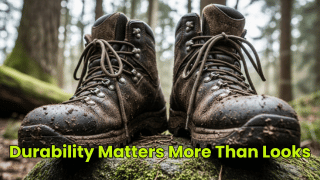

Durability matters far more than looks when it comes to hiking footwear. A good-looking boot that falls apart after a few rough hikes is a liability, not an asset. Real durability comes from strong stitching and a well-built upper. The upper is the material covering the top and sides of the boot. It also requires a high-quality outsole that can withstand abrasion and constant impact. Uppers made from leather, synthetic materials, or a blend of both all have their place. But when it comes to rugged, long-term abuse, leather still has a proven edge in toughness and longevity.
That said, modern materials have come a long way. Today’s synthetics and hybrid constructions can significantly reduce weight without sacrificing performance or protection. Lighter boots help reduce fatigue and improve efficiency. This is especially true on long days or multi-day trips. The ideal hiking boot strikes a balance: lightweight enough to move comfortably, yet rugged enough to handle real adventure, harsh terrain, and repeated use without failing when you need it most.
Break Them In or Break Your Feet
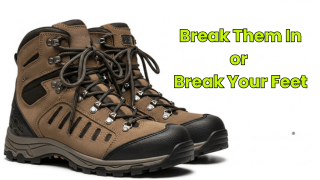

Breaking in boots matters more than most hikers realize. Even high-quality hiking boots need time for the materials to soften. Your feet also need to adapt to how the boot moves and supports you. Wearing new boots on short walks, errands, or easy local trails before a big trip allows pressure points to reveal themselves gradually. This slow adjustment helps prevent painful surprises once you’re miles from the trailhead.
Some hiking shoes and trail runners feel comfortable right out of the box. But most traditional boots require patience. Stiffer materials, thicker soles, and structured uppers simply need time to mold to your feet. Rushing the process often leads to blisters, sore spots, aching joints, and a hike filled with regret instead of enjoyment. Taking the time to break in your boots properly protects your feet. It ensures your footwear works with you—not against you—when it matters most.
Cold Weather and Snow Hiking
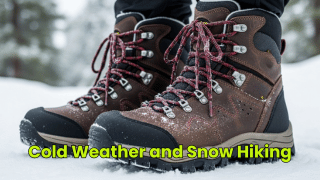

Cold weather changes everything on the trail. When temperatures drop, warmth, waterproof protection, and stability become far more important than lightweight comfort or breathability. Snow, ice, and frozen ground increase the risk of slipping. Cold, wet feet can quickly turn a hike into a dangerous situation. In winter conditions, footwear must protect against moisture, retain heat, and provide dependable traction to keep you safe and comfortable.
Snow hiking also demands more aggressive traction. Deep lugs help bite into packed snow. Icy terrain may require compatibility with traction devices or crampons for added security. Winter hiking boots are designed with insulation, waterproof membranes, and stiffer soles to handle these demands. In contrast, summer hiking shoes or trail runners lack insulation and structure. This causes feet to get cold, wet, and unstable. Choosing proper cold-weather footwear is essential for maintaining warmth, balance, and confidence when hiking in snow and winter conditions.
Heel Structure Is Often Ignored
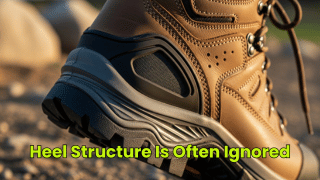

Heel structure is often ignored. But it plays a critical role in overall stability and comfort on the trail. The heel is the anchor of your foot. It controls how your stride lands and how your ankle responds to uneven terrain. A sloppy or poorly shaped heel allows excessive movement. This leads to blisters, hot spots, and a feeling of instability—especially on rocky or off-camber trails. In contrast, a secure heel cup keeps your foot aligned, reduces friction, and improves confidence with every step.
Always test footwear by walking downhill, not just on flat ground. Descents exaggerate poor heel fit more than any other movement. If your heel lifts, slides, or feels loose while going downhill, that boot or shoe is not the right match for your feet. A proper heel fit should feel locked in without pressure. It gives you better control, fewer injuries, and a much more comfortable experience over long miles.
Why Weight Actually Matters
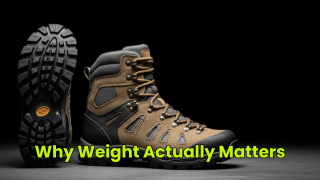

Weight actually matters more than most hikers expect. Lightweight footwear reduces fatigue by requiring less energy with every step. This adds up quickly over long distances and multi-hour hikes. Heavy boots can feel supportive, but they also drain energy over time. This is especially true on climbs and long approaches. Lighter boots or shoes help you move more efficiently, stay fresher longer, and maintain better overall endurance on the trail.
That said, lightweight does not mean flimsy. Cutting weight should never come at the expense of protection, support, or durability. The key is balance—choosing footwear that matches the demands of your trip. Short hikes and well-maintained trails allow for lighter options. Rugged terrain, heavy packs, and harsh conditions justify added structure and protection. The best hiking footwear finds the sweet spot between weight, durability, and support. It gives you efficiency without sacrificing safety or comfort.
Casual Day Hikes Need Simple Solutions


For casual day hikes, simple solutions usually work best. There’s no need to overthink your footwear. On well-maintained trails and shorter outings, hiking shoes or trail runners often outperform bulky boots. They offer greater comfort and freedom of movement. Their lighter weight and flexible design make them ideal for relaxed hikes. Speed, ease, and enjoyment matter more than maximum protection in these settings.
In these situations, comfort, grip, and breathability should be your top priorities. Shoes that keep your feet cool, dry, and secure will feel far better than stiff boots designed for heavy loads and rugged terrain. Heavy backpacking boots have their place, but casual day hikes are not it. Saving those boots for serious backpacking trips allows you to move more naturally and comfortably when the trail is easy and the miles are few.
Extreme Conditions Demand Serious Gear
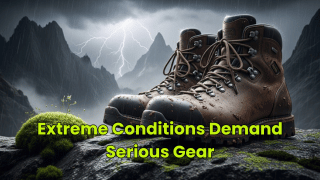

Extreme conditions demand serious gear. This is not the place to compromise. Rugged terrain, heavy packs, cold temperatures, and wet weather all place far greater stress on your feet and ankles than casual hiking ever will. In these environments, footwear must provide reliable protection, strong underfoot support, and stability that holds up hour after hour. Lightweight shoes simply are not built for this level of abuse. Choosing them can increase fatigue and risk.
This is where the best hiking boots truly earn their reputation. Built with durable materials, reinforced structures, and aggressive traction, they are designed to handle harsh conditions while keeping your feet secure and protected. Proper hiking boots help manage load, maintain balance on uneven ground, and shield your feet from cold, moisture, and impact. When the trail gets serious and the conditions turn unforgiving, dependable boots are not a luxury—they are essential for safety, confidence, and performance.
Style Should Never Be the Priority
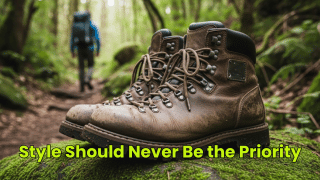

Style should never be the priority when choosing hiking footwear. While it’s nice for boots or shoes to look good, performance is what actually keeps you comfortable and safe on the trail. Choosing footwear based on appearance alone often leads to poor fit, weak support, or inadequate traction. These are problems that only reveal themselves after miles of walking. Hiking demands function first. Any good-looking boot that fails to perform will quickly become a regret.
Blisters, sore joints, and foot fatigue do not care how stylish your boots look on Instagram. Once you’re hours into a hike, comfort, grip, and stability matter far more than aesthetics. The best hiking footwear earns its place by protecting your feet, supporting your movement, and holding up under real conditions. If a pair of boots performs well and fits your feet properly, that’s the only style that truly matters on the trail.
Listening to Your Feet Matters


Listening to your feet matters more than pushing through discomfort. Pain is feedback, not weakness. Hot spots, numbness, tingling, or sharp pressure points are clear signals that something is wrong. Whether it’s poor fit, incorrect sizing, inadequate support, or the wrong footwear for the terrain, these signs deserve attention. Catching these signs early can prevent minor issues from turning into serious problems.
Ignoring what your feet are telling you often leads to blisters, overuse injuries, ruined trips, and bad memories. These linger long after the hike ends. Smart hikers make adjustments as soon as discomfort appears. They change socks, loosen or tighten laces, add insoles, or switch footwear altogether. When your feet feel supported and pain-free, everything else about the hike improves. Paying attention to foot feedback keeps you safer, more comfortable, and ready to enjoy the trail mile after mile.
The Role of Socks and Apparel
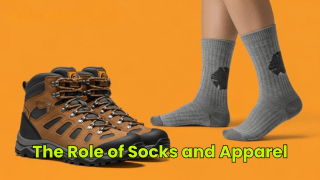

Footwear does not work in isolation. It works together with socks and apparel to determine overall comfort on the trail. The right hiking socks add cushioning where it matters most, reduce friction, and help manage moisture throughout the day. Quality socks can improve fit, prevent hot spots, and keep feet drier by wicking sweat away from the skin. This is especially important on long hikes or in changing weather conditions.
Bad socks can ruin even the best hiking boots or shoes. Thin cotton socks trap moisture, increase friction, and lead directly to blisters and discomfort. Choosing well-designed hiking socks made for cushioning, breathability, and temperature control allows your footwear to perform as intended. When boots, socks, and apparel work together, your feet stay more comfortable, protected, and ready to handle the miles ahead.
Stability Is a System
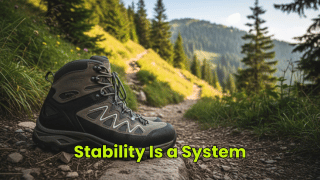

Stability is a system, not a single feature. It only works when all the parts support each other. True stability comes from outsole grip, heel structure, ankle support, and the lacing system working together as one. Strong traction keeps you planted. A secure heel controls movement. Ankle support manages side-to-side forces. Proper lacing locks everything in place. When these elements are balanced, your feet feel controlled and confident even on uneven or unpredictable terrain.
One weak feature can compromise the entire system. A great outsole won’t matter if the heel slips. Ankle support is useless if the lacing fails to secure your foot. That’s why boots and shoes should never be judged by a single spec or marketing claim. Evaluating hiking footwear as a complete system helps ensure better stability, fewer injuries, and a more comfortable experience over long miles and challenging trails.
The Difference Between Shoes and Boots Explained Simply
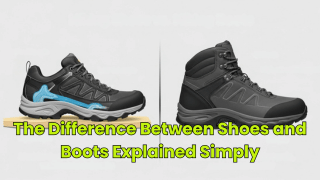

The difference between hiking shoes and boots can be explained simply. Hiking shoes feel more natural and flexible. They allow your feet to move freely and comfortably on the trail. They’re lighter, less restrictive, and often feel easier right out of the box. This makes them a great option for well-maintained trails, shorter hikes, and situations where agility and comfort matter most.
Hiking boots, on the other hand, feel more protective and supportive. They provide added structure, better load management, and increased stability on uneven terrain. This is especially true when carrying a heavier pack. Neither option is perfect for every situation. The right choice depends on the terrain you’ll hike, the distance you plan to cover, and how much weight you’ll be carrying. Matching footwear to the demands of the hike ensures better comfort, safety, and enjoyment on the trail.
Hiking Boot Materials and Construction
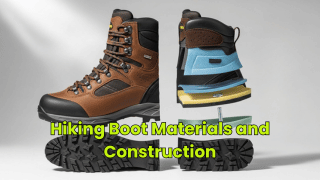

The materials and construction of hiking boots are what truly separate a great pair from the rest. Leather boots remain a classic choice thanks to their durability, natural water resistance, and ability to handle rough, demanding terrain. They’re ideal for hikers who prioritize long-term toughness and protection. On the other hand, synthetic materials and mesh panels offer a lighter, more flexible feel. They improve breathability and comfort without completely sacrificing performance. This makes them a popular option for faster-paced or warm-weather hikes.
Many modern hiking boots also incorporate waterproof membranes like Gore-Tex. These help keep feet dry in wet conditions while still allowing some moisture to escape. Others skip membranes entirely in favor of traditional construction for a more natural feel and quicker drying time. Regardless of materials, build quality matters most. Strong stitching, well-designed uppers, and a solid outsole all contribute to long-lasting durability. Choosing the right materials ensures your boots can handle the elements and keep you comfortable mile after mile on the trail.
How to Choose the Right Product
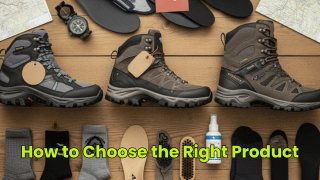

Choosing the right hiking footwear starts with understanding your hiking style. Are you heading out for casual day hikes? Carrying a heavy pack on multi-day backpacking trips? Moving fast in trail runners? Or doing a mix of everything? Each style places different demands on your feet. No single boot or shoe excels in every situation. Being honest about how you actually hike—not how you wish you hiked—is the first step toward making the right choice.
Once you know your style, match your footwear to the terrain, weather, and load you expect to face. Rocky trails, wet conditions, and heavy packs call for more support and protection. Light loads and maintained paths favor flexibility and comfort. This balance is the real secret to happy feet on the trail. When your footwear matches the demands of the hike, you move more efficiently, stay more comfortable, and enjoy the experience far more from start to finish.
The Honest Truth About Choosing Footwear That Won’t Ruin Your Hikes

The honest truth about choosing hiking footwear is that there is no perfect boot or shoe for everyone. There is only the perfect option for you. Feet are different, hiking styles vary, and trails demand different things depending on terrain, weather, and load. What works flawlessly for one hiker might cause pain and frustration for another. That’s why chasing trends, reviews, or brand hype often leads to disappointment instead of comfort.
Hiking boots and shoes should protect your feet, not punish them. The right pair supports your movement, manages impact, and keeps you stable without causing pain or fatigue. Prioritize comfort, fit, stability, and real-world performance over marketing claims or aesthetics. When your footwear works with your feet instead of against them, hiking becomes more enjoyable, safer, and far more memorable. Your next adventure deserves footwear that helps you finish strong—not something you regret halfway down the trail.
UP NEXT: Winter Boots That’ll Destroy Your Outfit On Sight

















2 Responses
Daily scoper Awesome! Its genuinely remarkable post, I have got much clear idea regarding from this post . Daily scoper
Comments