Let me say this clearly and with excitement. AI and innovation are no longer future talk. They are happening right now. I see it every day in tools, products, and ideas that move fast. AI and innovation are shaping how we work, shop, learn, and even relax. If you blink, you miss something huge. So yes, I am excited. And yes, I have opinions. This guide breaks things down in plain English. No hype fog. Just real talk, clear examples, and smart insights you can actually use.
This blog post explores the latest breakthroughs in AI and innovation, highlighting how these advancements are transforming industries and everyday life.
I care about clarity. I care about usefulness. And I care about helping you understand why AI and innovation matter more than ever. Let us get into it.
Why Artificial Intelligence and Innovation Are Moving So Fast Right Now
AI and innovation are accelerating because data is everywhere now. Phones, apps, sensors, and platforms create endless information daily. That data feeds smarter systems. Advanced analytics enables AI-driven innovation by unlocking new insights from this data and supporting strategic decision-making, which accelerates digital transformation within organizations. I have watched this shift closely over the years. Once data became cheap and easy to store, progress exploded. Companies that understand this are winning. Others are still catching their breath.
This period is often called the AI revolution, as artificial intelligence acts as both an innovation driver and a transformative technology across industries like healthcare, finance, transportation, manufacturing, and customer service. Another reason is better computing power. Chips are faster and more efficient. Cloud platforms make advanced tools affordable. Quantum computing is also emerging, promising to further accelerate AI and innovation by unlocking new capabilities. You no longer need a giant lab to build smart systems. A small team with focus can now compete. That still blows my mind. This access changed everything for AI and innovation across industries.
Finally, people trust AI tools more now. That trust came from better results and fewer errors. AI and innovation feel less scary today. Once trust grows, adoption follows quickly. AI is now being deployed across global industries, moving from experimentation to scaled deployment.
How AI and Innovation Are Changing Everyday Work
Work life looks very different now, and I mean that honestly. AI and innovation go straight for boring tasks first, like scheduling, sorting emails, and basic analysis. That is a win. Humans should not waste energy on repetitive work that drains creativity. Smart tools handle the dull stuff so people can focus on thinking, problem solving, and ideas that actually matter. AI also helps enhance efficiency by automating processes and optimizing workflows across different industries.
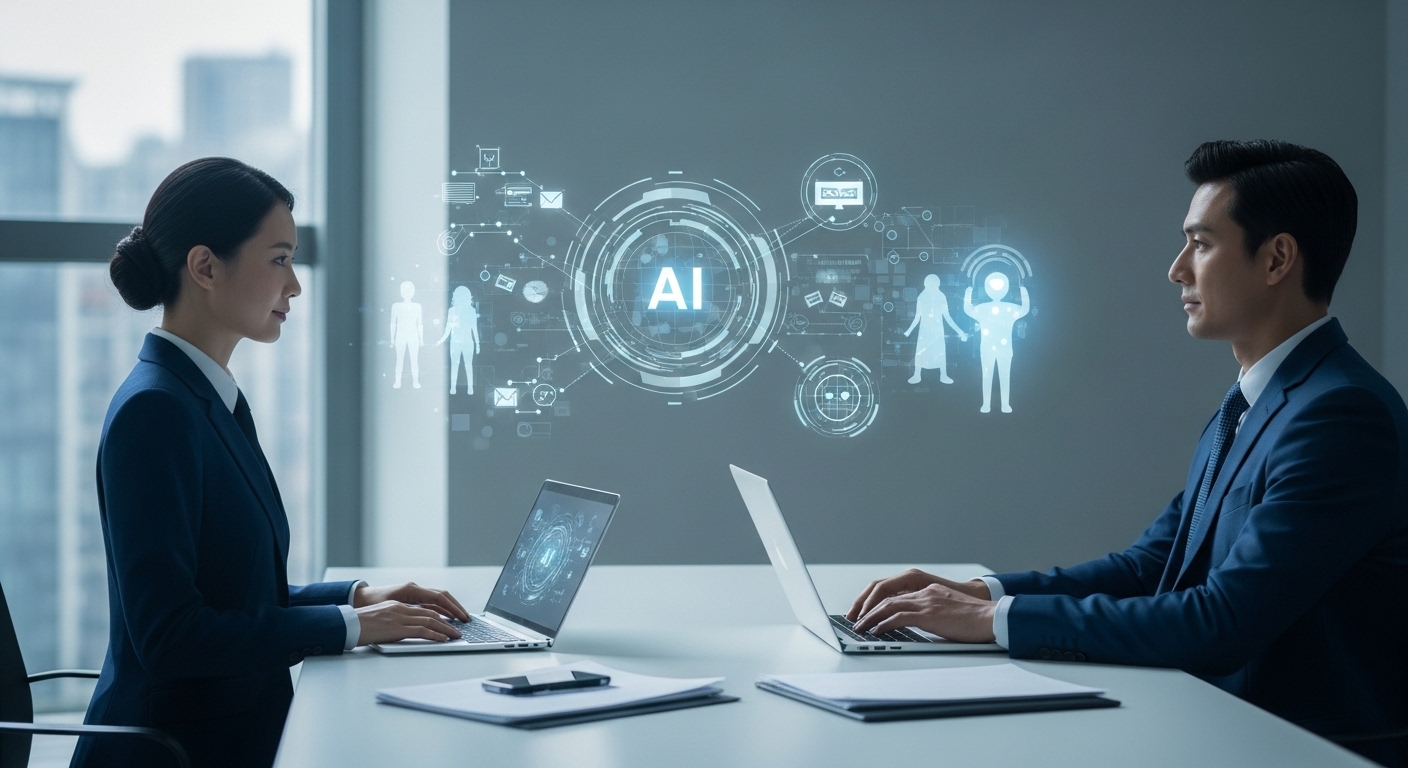
In marketing, writing, and design, AI tools speed up ideas without killing skill. They support talent instead of replacing it. I see the best results when humans stay firmly in control. AI and innovation work best as partners, not bosses. Human creativity remains a powerful asset, and when combined with smart systems, outcomes become stronger and more original. That balance matters more than people admit.
Remote work also improved because of smarter systems working quietly in the background. AI helps manage teams, track goals, and predict delays before chaos hits. AI can also streamline internal knowledge management by synthesizing vast amounts of data and insights from various sources. Productivity rises without added pressure, which I fully support. Diverse teams play a big role here too, making sure AI and innovation stay fair, effective, and accountable in everyday work.
Businesses love AI and innovation for one big reason. Growth becomes measurable and predictable. Leaders now use smart systems to spot market opportunities and guide strategy with confidence. AI analyzes customer behavior fast, revealing patterns that improve decisions. Data analysis plays a vital role in optimizing predictive modeling, accelerating innovation across industries like drug discovery and finance. I have seen brands scale quicker with fewer mistakes because data stops guessing and starts guiding.
Pricing strategies adjust in real time now, which still feels wild. AI-powered inventory management systems cut costs, reduce waste, and boost efficiency by optimizing inventory tracking, demand forecasting, and supply chain coordination. AI also improves operational efficiency by automating processes and streamlining business operations. Customer service tools answer questions instantly without losing patience. These are not flashy tricks. They are practical wins. AI and innovation shine when they solve boring problems well and turn raw data into insights businesses can actually act on.
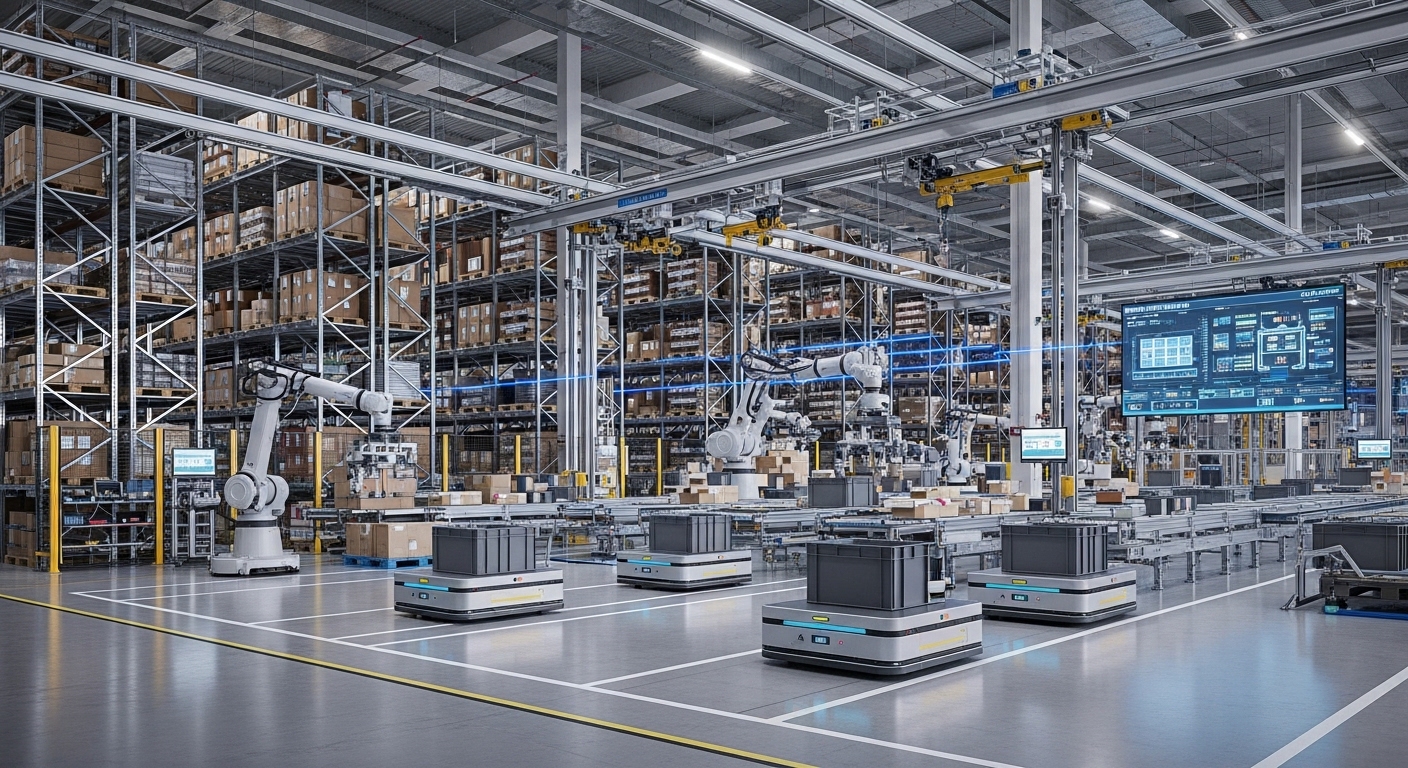
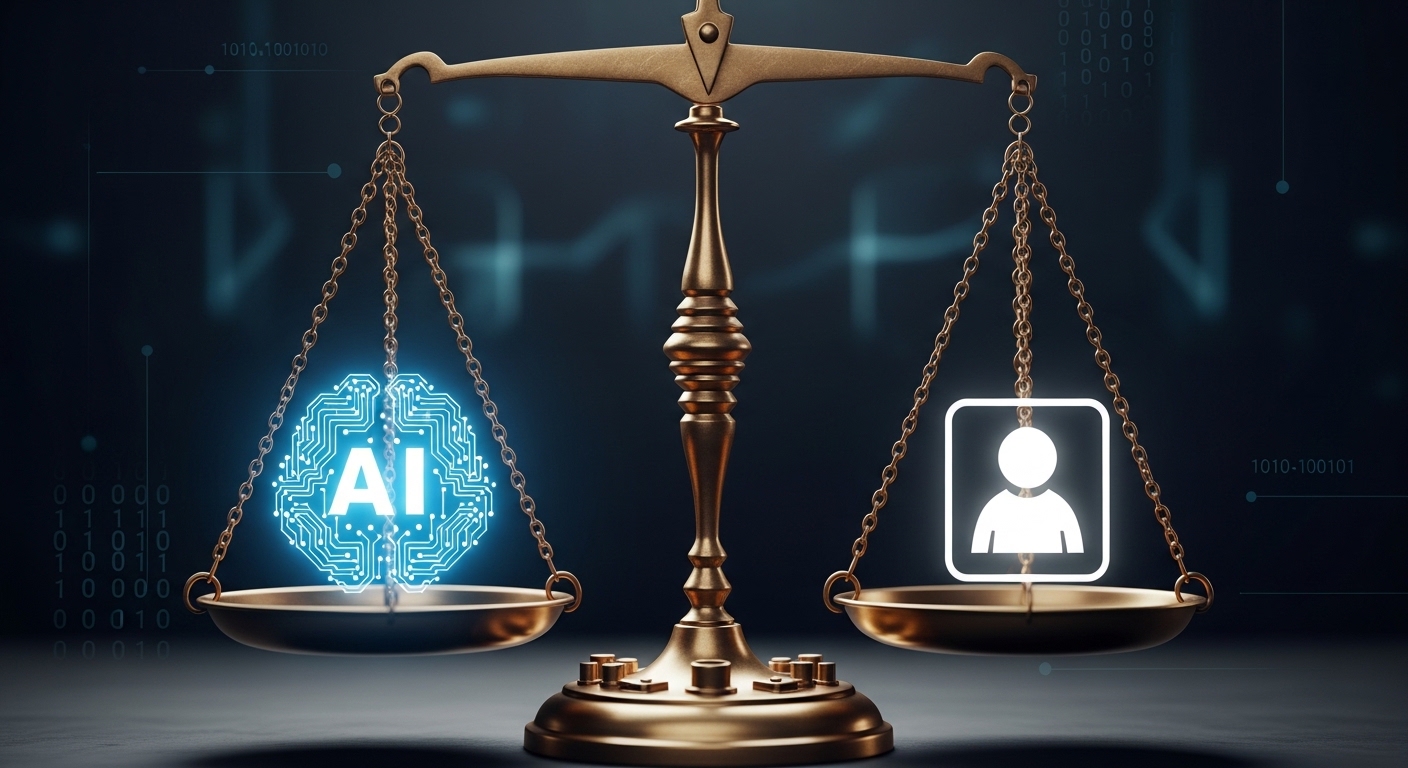
AI also predicts equipment failures, like Delta Airlines reducing downtime through predictive maintenance. Predictive maintenance in manufacturing can reduce unplanned downtime by at least 26% by identifying potential machinery failures early. Manufacturing benefits too, with smart factories improving supply chains and quality control. AI streamlines research, documentation, and internal knowledge sharing across industries. In finance, AI enhances security through fraud detection and automates compliance processes. AI systems in banking analyze transaction patterns and sentiment for hyper-personalization of financial services. Still, strategy needs humans. AI shows options, not values. Leaders must choose wisely because innovation without ethics risks everything.
The Role of AI and Innovation in Creative Industries
Let us talk creativity, because this topic gets spicy fast. Generative AI is driving AI-powered innovation across creative industries, changing how content is produced and consumed. AI in innovation and AI innovation are driving innovation and transforming creative industries by automating processes and enabling new forms of artistic expression. AI and innovation help artists move faster in music, art, video, and writing. I use some of these tools myself. Powered by advanced AI models and algorithms, they generate images, music, and text that feel surprisingly real. More importantly, AI analyzes large datasets to spot patterns and trends, which often spark new creative ideas. Generative AI tools, like ChatGPT and DALL-E, have revolutionized content creation by automating the generation of text, code, and images.
At the same time, AI speeds up experimentation in creative research and development. It can generate many design options quickly and evaluate them using surrogate models. AI can also help identify and analyze customer needs, products, and features in the R&D process, leading to better alignment with those needs. As a result, testing cycles shrink and innovation moves faster. This makes innovation management and the overall innovation cycle more flexible and responsive. Additionally, AI optimizes production processes and production workflows, improving efficiency, product quality, productivity, and resource use across creative and manufacturing environments.
Still, creativity starts with human experience. AI cannot feel joy, loss, or curiosity. It only learns patterns. Therefore, innovation should amplify human voices, not replace them. The best creators use AI as a sketchpad, not a final brush. That balance keeps creative work authentic and meaningful. AI is also reshaping creative processes by generating original artworks independently or in collaboration with human artists.
AI and Innovation, Ethics, and Ownership in Creative Work
Beyond art and media, AI and innovation also push boundaries in science and discovery. Generative AI helps design chemical compounds and drug candidates by simulating molecular interactions. Meanwhile, AI synthesizes insights from research papers and databases, supporting innovation practitioners across industries. In both creative and regulated fields, AI automates documentation and analysis, saving time and reducing errors.
However, ethical concerns cannot be ignored. AI can reinforce bias, raise privacy risks, and lack transparency if poorly managed. Because these systems rely on massive datasets, accountability becomes essential. Therefore, ongoing monitoring and investment in high-quality solutions are necessary to keep AI and innovation fair and trustworthy.
Finally, copyright and ownership debates matter more than ever. Laws move slowly, while AI and innovation move fast. As a result, artists and businesses must stay informed and proactive. Awareness protects creative work, reputations, and long-term value in a rapidly evolving creative landscape.
AI and Innovation in Healthcare and Science
This area excites me the most, no contest. AI and innovation save lives, and that is not an exaggeration. AI algorithms analyze complex medical data faster than any human team. Diagnostic tools read medical images with extremely high accuracy, helping doctors catch diseases earlier. Predictive analytics also identify care gaps and support stronger clinical decisions in real time. That combination alone changes patient outcomes in powerful ways.
At the same time, AI accelerates scientific discovery across fields like genomics, astronomy, and climate science. Researchers move faster now, and that speed matters. In drug discovery, AI surrogate models reduce the need for costly physical testing. Generative AI simulates molecular interactions to design and test drug candidates quickly. As a result, timelines shrink from years to months, clinical trials become more precise, and patients benefit sooner.
Beyond healthcare, AI and innovation improve systems at scale. AI-enabled traceability helps manufacturers track materials and support ethical sourcing and recycling. Autonomous vehicles become safer through real-time learning. Supply chains improve as AI forecasts demand and identifies bottlenecks early. In retail, personalization increases as AI analyzes behavior and delivers tailored recommendations efficiently.
AI and Innovation Beyond the Hospital Walls
AI and innovation also push science forward outside hospitals. Researchers uncover new knowledge in genomics, climate science, and biology by analyzing massive datasets. Equipment failures are predicted before they happen, reducing downtime in healthcare and manufacturing. Precision agriculture uses neural networks to optimize crop yields by reading weather and soil data. AI applications also utilize weather patterns to improve decision-making in agriculture and energy, such as predicting crop needs or optimizing renewable resource integration. Even transportation changes as AI improves safety and efficiency in self-driving systems. Retailers are employing machine vision and RFID tags for checkout-free shopping, allowing automatic billing as customers exit.
Still, none of this works without trust. Health and scientific data are sensitive and deeply personal. Systems must be secure, transparent, and accountable. I believe responsible AI and innovation earn trust through protection, not secrecy. Progress means nothing if people do not feel safe using the tools built to help them.
Decision Making with AI and Innovation
Decision making with AI and innovation is opening a new era for businesses that want to move faster and think smarter. Today’s AI systems analyze massive datasets at speeds that were unthinkable just a few years ago. By using machine learning algorithms and large language models, AI identifies patterns, suggests ideas, and delivers actionable insights. As a result, decisions become faster, clearer, and more confident across organizations.
At the same time, AI-driven innovation strengthens human creativity instead of replacing it. AI tools sift through customer data, detect emerging market trends, and highlight opportunities that might otherwise stay hidden. Therefore, leaders spend less time buried in analysis and more time shaping strategy. Companies like Google, Amazon, and Microsoft already use AI-powered innovation in decision making, from virtual assistants and computer vision to real-time financial analysis and drug discovery. These systems shorten innovation cycles while improving accuracy and productivity.
However, as AI plays a bigger role, ethics and transparency matter more than ever. AI decisions must be explainable, fair, and free from bias. That is why diverse teams and responsible innovation management are essential. Ultimately, decision making with AI and innovation is not just about automation. It is about empowering people to focus on strategy, creativity, and growth. The future of decision making is here, and it is built on human-AI collaboration.
Agentic AI: The Rise of Autonomous Systems
Agentic AI is changing the game in ways that feel almost futuristic. Instead of just following instructions, these systems act on their own, making decisions without waiting for human input. Powered by advanced learning models, agentic AI adapts, improves with experience, and responds to new situations in real time. As a result, systems do not just react anymore. They anticipate and adjust, which is a big shift.
Because of that, industries like finance, healthcare, and transportation are already feeling the impact. In transportation, self-driving cars use AI technologies to improve safety, optimize traffic flow, and promote sustainability, demonstrating how AI-driven advancements are transforming the industry. In finance especially, AI analyzes market trends instantly, spots patterns humans often miss, and supports faster, smarter decisions. At the same time, businesses reduce risk while identifying new opportunities earlier than competitors. Therefore, innovation accelerates while uncertainty drops.
Meanwhile, virtual assistants show how agentic AI works at scale. They handle routine tasks, resolve customer questions nonstop, and reduce human error. Consequently, teams focus on higher-level work that actually moves the needle. In the end, agentic AI is not just about speed. It is about smarter systems that push innovation further than ever before.
AI and Innovation in Customer Experience
AI and innovation are completely changing how businesses connect with customers. Today’s AI tools, like language models and computer vision, analyze massive amounts of customer data quickly. As a result, patterns surface faster and interactions feel more personal. AI technologies are enhancing customer experience by providing personalized recommendations, virtual assistants, and more responsive service, making customer interactions more engaging and efficient. Because of this shift, customer experiences become smoother, more relevant, and far less generic.
For instance, AI-powered chatbots now provide instant support around the clock. They answer questions, resolve issues, and cut waiting times significantly. At the same time, recommendation engines use predictive analysis to suggest products and content that feel timely. Therefore, customers feel understood instead of pushed. That emotional connection builds trust, and trust drives loyalty.
Additionally, automating routine tasks frees teams to focus on strategy and creative problem solving. Costs drop while efficiency rises, which keeps businesses competitive. Research from Stanford University also shows higher satisfaction and retention when AI-driven innovation is used correctly. In the end, AI and innovation are not just upgrades. They are essential tools for meaningful customer relationships.
What the Future Looks Like for AI and Innovation
The future is busy, bold, and slightly chaotic, and I say that with excitement. The AI revolution will continue creating new market opportunities across industries. Over time, AI and innovation will blend into daily life so smoothly that people barely notice them. Oddly enough, that invisibility signals maturity.
Education will evolve next. Learning becomes adaptive, flexible, and personal. Meanwhile, businesses will expect faster thinking and stronger problem solving. Skills will matter more than titles, and flexibility becomes a valuable currency. As a result, people who keep learning will stay ahead.
My final opinion is simple and unapologetic. Embrace AI and innovation with curiosity, not fear. Ask questions, test tools, and stay human in your decisions. Progress belongs to those who engage early, think clearly, and move forward with intention.
Small businesses do not need massive budgets to benefit from AI and innovation. Many AI tools are cloud-based, affordable, and subscription-driven. Tools for customer support, marketing automation, and data analysis are widely accessible. The key is starting small, focusing on one clear problem, and scaling only when results prove value.
Not always. While advanced AI systems need technical teams, many AI-powered tools are designed for non-technical users. Businesses can adopt AI through user-friendly platforms that handle complexity behind the scenes. However, basic understanding is still important so leaders can make informed decisions and avoid misuse.
Success is usually measured through efficiency, cost savings, accuracy, and customer satisfaction. For example, faster decision making, reduced errors, or higher retention rates signal positive impact. AI and innovation work best when goals are clearly defined before implementation, not after.
Nathan Brookes is a seasoned investigative writer and news contributor who has covered some of the most pressing social issues of the past decade. With a background in political science and years working in independent media, Nathan brings grit and authenticity to every story he uncovers. He specializes in writing about inequality, policy, and the real-life impact of trending news on everyday people. His storytelling is balanced, well-researched, and unflinchingly honest. Nathan believes journalism should serve the public, not the algorithm, and his pieces often give voice to stories that don’t get enough attention. Outside the newsroom, he mentors student journalists, spends weekends trail running, and reads way too many books at once. His mission is simple: tell the stories that matter—and tell them right.
Because being “in the know” is kinda hot.
Smart, funny, sometimes spicy content we handpicked so you don’t have to.
Every week, we’ll send you the latest tips, tricks, reviews and advice on how to live a healthier, and wealthier life.
All Tags
You’re our first priority. Every time.
ECG Pte Ltd (www.dumblittleman.com) is an independent publisher and comparison service, not an investment or financial advisor. Its articles, interactive tools, and other content are provided to you for free, as self-help tools and for informational purposes only. They are not intended to provide investment or financial advice. Dumblittleman does not and cannot guarantee the accuracy or applicability of any information in regard to your individual circumstances. Examples are hypothetical, and we encourage you to seek personalized advice from qualified professionals regarding specific investment or financial issues. Our estimates are based on past market performance, and past performance is not a guarantee of future performance.
We believe everyone should be able to make financial decisions with confidence. And while our site doesn’t feature every company or product available on the market, we’re proud that the guidance we offer, the information we provide and the tools we create are objective, independent, straightforward — and free.
So how do we make money? Our partners compensate us. This may influence which products we review and write about (and where those products appear on the site), but it in no way affects our recommendations or advice, which are grounded in thousands of hours of research. Our partners cannot pay us to guarantee favorable reviews of their products or services.
Our Spring Sale Has Started
You can see how this popup was set up in our step-by-step guide: https://wppopupmaker.com/guides/auto-opening-announcement-popups/
Newsletter
A weekly dose of smart hacks, hot takes, and DLM-approved finds. Inbox joy, guaranteed.
Be a part of this army and get your daily dose of dumb right into your inbox.












































Comments