



Australia is a place that screams variety, and the Australian capitals prove it fast. You get beach swagger in Sydney, artsy attitude in Melbourne, and laid-back glow in Perth. Plus, the country runs on six states and two territories, so every capital city brings a different mood to the same map.
So yes, this ranking is about vibes, but it also respects the sun. Australia records some of the highest UV levels in the world, and skin can burn when the UV Index hits 3 or higher. That means “sunburn potential” is not just a joke here, it’s a real travel factor. Next, think of this guide as your Australia map with opinions. You will bounce from New South Wales energy to Queensland heat, then slide into South Australia charm. After that, you’ll cross to Western Australia for big skies and long sunny stretches.
Meanwhile, the “sass” comes from what each city does best. Some capitals serve blockbuster landmarks and big-city culture. Others win with festivals, waterfront hangouts, and food scenes that refuse to be boring. And because each place sits in a different climate zone, the sunshine story shifts with it.
Finally, this list keeps things honest across the Australian continent. We will cover Canberra in the Australian Capital Territory, plus Darwin in the Northern Territory. We will also tip our hat to Hobart in Tasmania, because cool weather still brings spicy personality. Now let’s dive into the world of Australian capitals and see which one shines brightest.
Sydney: The Queen of the Eastern Coast

Sydney, the capital city of New South Wales, sits on the eastern edge of mainland Australia and stands out as the country’s most populous city. It mixes world-class culture, outdoor activities, and stunning natural beauty in one high-energy package. Sydney is famous for Bondi and Manly beaches, plus landmarks like the Sydney Opera House and the Harbour Bridge. Sydney Harbour is also the largest natural harbour in the world by area, which is a pretty big flex.
Sydney’s history runs deep, especially in The Rocks, where cobblestone streets and heritage buildings reflect its early days as a British colony. You’ll also find major cultural stops like the Australian National Maritime Museum, the Museum of Contemporary Art, and the Art Gallery of New South Wales. Its wider national context is highlighted by proximity to the Australian Capital Territory, home to Parliament House and the National Museum, with year-round events, exhibitions, and shows keeping the city constantly moving.
Nature is basically Sydney’s second personality. Beyond Bondi and Manly, beaches like Coogee and Maroubra offer different coastal vibes, while green escapes like the Royal Botanic Garden deliver harbour views near the Opera House. Adventure options include surfing, snorkeling, sailing, kayaking, paddleboarding, ferry rides to Manly, and visits to Taronga Zoo. For bigger outdoor days, nearby Blue Mountains and Ku-ring-gai Chase national parks bring hiking, waterfalls, rock climbing, and abseiling, while major highlights like Sydney New Year’s Eve fireworks, Sydney Festival, and Vivid Sydney keep the city loud and bright.
Melbourne: The Hipster’s Dreamland
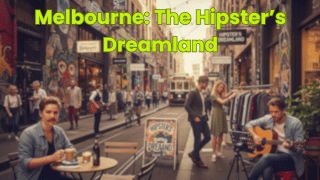

Now let’s talk about Melbourne, the capital of Victoria and often regarded as the cultural capital of Australia. With a diverse population that shapes its vibrant food and cultural scene, Melbourne is famous for its multicultural dining options and energetic atmosphere. It’s often said that Melbourne has the best coffee in the world—and we’re here to argue that it’s true. This city has a vibe unlike any other, with its trendy street art, hipster cafes, and annual festivals that draw tourists from around the globe.
Melbourne is also considered Australia’s unofficial sporting capital, being the only city in the world with five international standard sporting facilities, including the iconic Melbourne Cricket Ground (MCG). Historically, Melbourne served as the temporary capital of Australia for 26 years before Canberra was established in 1927.
But don’t be fooled by its artsy flair. Melbourne may have the heart of an artist, but it also has a temperamental weather pattern that can make you question everything. One minute you’re basking in the sun, and the next, it’s pouring rain. This city might give you a chill in the air, but it definitely cranks up the heat with its rich cultural scene—renowned for art galleries, live music, and its diverse food offerings.
READ ALSO: Benefits of Traveling: 10 Reasons to Book That Trip
Brisbane: Sunny Queensland’s Gem

First, Brisbane plays the role of Sunny Queensland’s Gem like it was born for it. As the capital city of Queensland, it mixes river-city energy with warm, outdoorsy confidence. The climate backs up the hype too. Brisbane averages about 7.4 hours of sunshine per day across the year, which explains the constant “let’s go outside” mood. Next, Brisbane doesn’t just sit near nature, it practically flirts with it. You can paddle and cruise along the Brisbane River, then switch straight into riverside strolling at South Bank. South Bank also features Streets Beach, described as Australia’s only inner-city, artificial beach with a lagoon setup. That’s very Brisbane: practical, playful, and a little showy.
Then, the city makes day trips feel easy on the Australia map. The Sunshine Coast sits just over 100 km north, or about a 1.5-hour drive, so beach time stays within reach. Meanwhile, the Gold Coast sits about 80 km south, a little over an hour’s drive, and it stacks surf beaches and hinterland in one go.
After that, getting around stays simple, which keeps the “sunny and social” vibe alive. Brisbane’s CityCat ferries run daily between UQ St Lucia and Northshore Hamilton, so you can move along the river without the traffic drama. That’s peak Brisbane convenience, with a side of scenery. Finally, Brisbane earns its rank because it feels bright, active, and proudly modern. You get heat, water, and food culture in one city. So yes, it shines literally, and it delivers the sass to match. Now, let’s dive into the world of Australian capitals and see which one shines brightest.
READ ALSO: Top 10 Dangerous City in America For Solo Travelers
Perth: The Wild West

In Perth, the Wild West vibe feels real, not staged. This capital city of Western Australia sits beside the Swan River, and it runs on sunshine and confidence. Tourism Australia even notes Perth enjoys more sunny days than any other Australian capital city, which explains the constant “outdoors first” attitude. Plus, Perth is one of the few places where you can watch the sun set over the Indian Ocean, so the golden-hour bragging rights stay strong.
Next, Perth keeps the coast close, so your beach plans never feel like a mission. Cottesloe Beach sits about a 15-minute drive from the city, and it’s popular for swimming, snorkelling, and surfing. Meanwhile, Scarborough Beach sits about 20 minutes from the CBD, and it brings that classic Sunset Coast energy. Then you switch gears at Kings Park and Botanic Garden, which covers 400 hectares and ranks among the world’s largest inner-city parks.
Still, Perth has bite beneath the chill. Research describes it as the only major city on Australia’s west coast, and it also calls it one of the world’s most isolated cities. That distance fuels its “we do our own thing” culture, especially in the Perth Cultural Centre. Start at WA Museum Boola Bardip, then finish at the Art Gallery of Western Australia for a strong hit of local stories and art. Now, let’s dive into the world of Australian capitals and see which one shines the brightest, literally.
Canberra: The Capital of Calm

Located in the Australian Capital Territory, which is entirely surrounded by New South Wales (also known as South Wales), Canberra is the heart of Australia’s political world and serves as the national capital of Australia. The city’s location holds historical and political significance, as Section 125 of the Constitution of Australia specified that the national capital must be in its own territory within New South Wales. Canberra is Australia’s only entirely planned city, designed by American architect Walter Burley Griffin. In 1927, the national government relocated from Melbourne to Canberra, further cementing its status as the nation’s capital.
Canberra is packed with a bright history, from Parliament House—where the nation’s leaders gather to shape the future for the next generations—to the National Gallery and National Museum. The city boasts a rich cultural scene with numerous historical museums and theatrical galleries. And with its serene lakes and parks, it’s a perfect spot for those who like a slower pace.
However, Canberra‘s winter cold will surprise you, but the warmth of its cultural hubs more than makes up for it. Whether you’re hiking around Lake Burley Griffin or exploring the Australian Capital Territory, Canberra is a place that balances nature with intellect.
READ ALSO: Hotels Near Disneyland LA That Don’t Totally Suck
Cultural Significance of Parliament House

Adelaide: The Wine Lover’s Capital


Adelaide wears the crown as the Wine Lover’s Capital with zero effort. It’s the capital city of South Australia, and it sits close to legendary cellar doors. Tourism Australia even calls Adelaide the wine capital of Australia, because top regions sit a short drive away.
Next, the wine list gets downright unfair. The Barossa Valley alone packs 150+ wineries and 80 cellar doors, so you can taste big reds without rushing. Then you can follow South Australia’s “Epicurean Way,” which links McLaren Vale, Adelaide Hills, Barossa, and Clare Valley in one delicious loop. Adelaide basically says, “Yes, you can do a wine trip on a weekday.”
Also, Adelaide knows food, and it does not mess around. The Adelaide Central Market hosts 70+ traders under one roof, and it ranks among the largest undercover fresh-produce markets in the Southern Hemisphere. That’s where you chase fresh seafood, cheeses, baked goods, and cafe stops that turn “just one snack” into lunch.
Meanwhile, the city keeps your calendar busy with brag-worthy culture. Adelaide Fringe calls itself the biggest arts festival in Australia, and it pulls in thousands of artists and shows. WOMADelaide brings global music, arts, dance, and food to Botanic Park, and it has run since 1992.
Finally, Adelaide makes outdoor activities feel easy. The Adelaide Park Lands cover 932 hectares, with 29 parks and six city squares, so you can walk it off after wine tastings.
Hobart: The Cool Island Escape
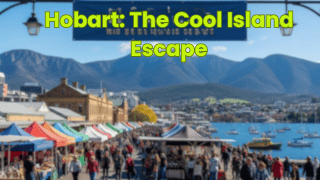

First, Hobart nails the “cool island escape” vibe because it feels calm and crisp. It’s Tasmania’s capital city, and it sits on the River Derwent with kunanyi right behind it. Britannica also calls Hobart Australia’s most southerly city, so the air often feels fresher than the mainland heat. Next, kunanyi or Mount Wellington keeps Hobart humble in the best way. It rises 1271 metres above the city, and you can reach it in about half an hour from the CBD. On clear days, the lookout delivers big views, and in winter you might even spot snow.
Then, Hobart turns weekends into a personality trait at Salamanca Market. The official site says it runs every Saturday from 8:30 am to 3 pm. It also says you’ll find around 300 stalls, so you can snack, browse crafts, and pretend you “just popped in.” After that, the art scene goes full “what did I just see?” at MONA. Discover Tasmania places it at Berriedale, about 13 km north of Hobart’s CBD. You can ride the fast catamaran from Brooke Street Pier for a 25-minute cruise, which feels like part of the show.
Finally, Hobart makes it easy to stack a perfect day. Tourism Australia says you can see world-renowned art, eat freshly caught seafood, and climb a mountain in one day. That mix feels very Hobart, relaxed, bold, and quietly iconic.
Darwin: The Top End Surprise


Darwin is the Top End surprise that hits you like warm air the second you land. It’s the capital city of the Northern Territory, and it leans into a tropical lifestyle with confidence. First, you get a clear wet and dry season rhythm. Tourism Australia notes the wet season brings humidity, monsoonal rains, and storms, with average temperatures around 24.7–32°C.
Next, Darwin makes “outdoors” feel like the default setting. You sit near the Timor Sea, so sunsets look extra dramatic. Then you drive to Litchfield National Park, a Top End favourite with waterfalls, swimming spots, 4WD tracks, and scenic walks. The Northern Territory Government also lists iconic magnetic termite mounds and sandstone pillars inside the park. After that, Darwin surprises you with culture that feels lived-in, not staged. Start at the Museum and Art Gallery of the Northern Territory. MAGNT highlights its strengths in Aboriginal culture, Territory history, and art. It also hosts the annual Telstra National Aboriginal & Torres Strait Islander Art Awards, a major national event.
Meanwhile, the city’s food scene brings the fun. Go straight to Mindil Beach Sunset Market, where Tourism Top End says you’ll find 200+ stalls with food, arts, and culture. Then keep it local with Parap Village vibes. Northern Territory tourism also flags award-winning laksa and tropical fruits, which feels very Darwin. So yes, Darwin brings heat, heart, and a little chaos in the best way. It welcomes you fast, and it keeps you moving even faster.
READ ALSO: Longest Beach in the World: Even Your GPS Gets Tired
So, Who Wins the Sass and Sunburn Contest?

So, who wins the sass and sunburn contest? Honestly, the Australian capitals all bring heat, just in different ways. Sydney wins for big-icon energy, with must-visit sights like the Sydney Opera House and Sydney Harbour Bridge, plus beach breaks that feel like a lifestyle choice. However, the sunburn trophy depends on your tolerance. Australia deals with some of the highest UV levels in the world, and skin damage can start in about 15 minutes when UV hits 3 or above. So yes, “sunburn potential” is real travel math, not a cute line.
Next, if you want maximum sunshine with a relaxed flex, Perth makes a strong case. Tourism Australia says Perth enjoys more sunny days than any other Australian capital city, which explains the beach-and-bar confidence. That’s the kind of city that shows up glowing, then acts like it’s normal. Meanwhile, not every winner needs a tan. Hobart often feels cooler, and you can check the Bureau of Meteorology’s Hobart climate stats if you like facts with your fleece. So, you can still chase culture and scenery without cooking all afternoon.
So, where should you go next? Pick your mood, then match it to the weather and UV. After that, keep exploring because Australia’s capitals never run out of stories. If you want more articles about Australia, check our website for fresh guides, hidden gems, and new city rankings that bring the sass.
UP NEXT: Greatest Adventure Plans That Will Make You Pack Fast





















Comments