


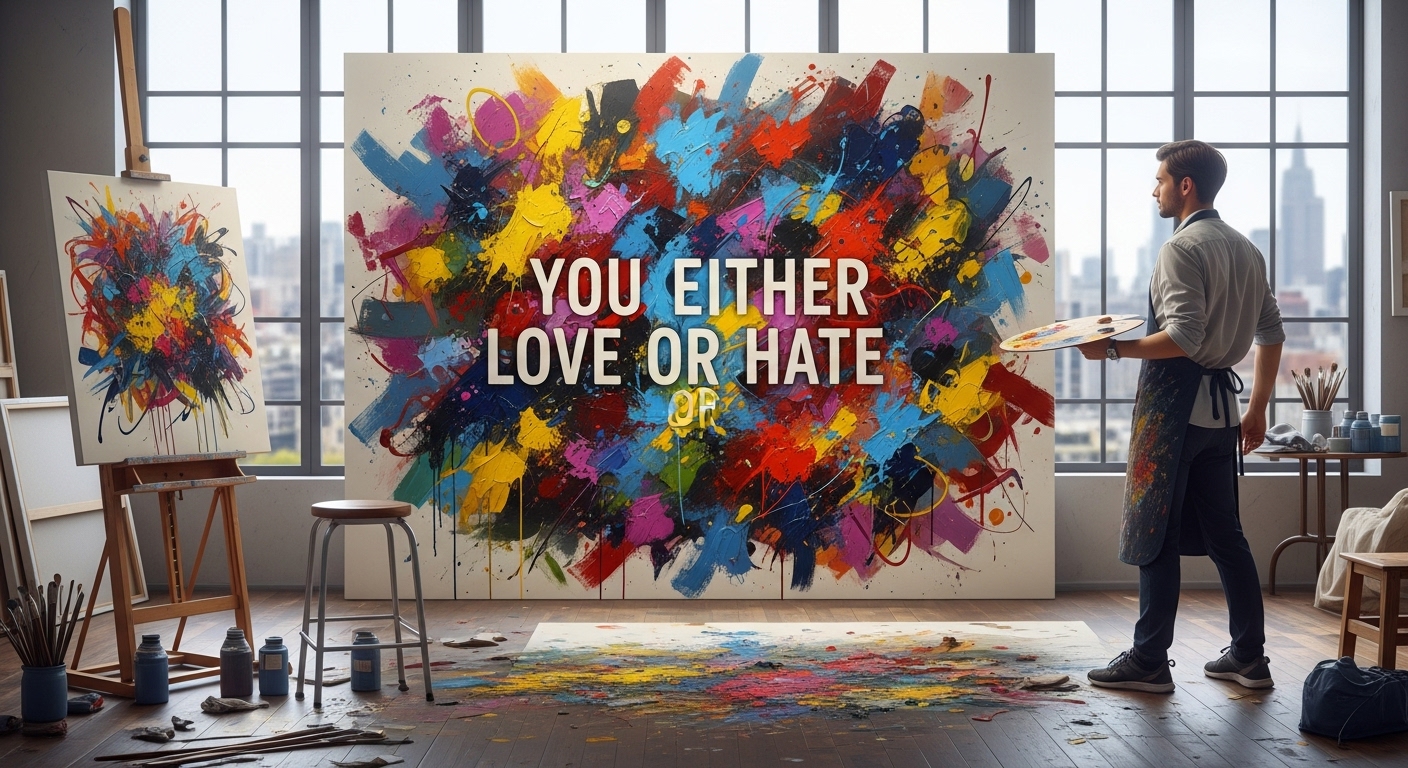

Abstract artist painter—a term that sparks strong opinions. You either love their work or you don’t. There’s no in-between. For some, abstract art is the pinnacle of artistic expression, a dance of geometric shapes, bold colors, and raw emotion. For others, it’s confusing or even frustrating. But whether you understand it or not, abstract paintings have secured their place in the art world, and they’re here to stay.
The rise of abstract art began in the early 20th century, when artists broke away from traditional representation to explore new forms. This shift set the stage for the evolution of the movement and the rise of influential abstract artist painters. In this article, we’ll explore abstract artist painters, their techniques, and how their work continues to shape modern art.
1. What is Abstract Art?


Abstract art is all about breaking away from traditional representations. Instead of painting recognizable figures, abstract artist painters focus on creating works that speak to the viewer’s emotions. They play with shapes, colors, and forms to communicate meaning, often without identifiable subjects. The beauty of abstract compositions lies in their ability to evoke a personal response, often making viewers reflect on their own memories or inspiration.
Abstract artists often use images, like painted elements or collaged material, to create visual representations that resonate emotionally with the viewer. From abstract oil paintings to mixed media, abstract art offers endless possibilities. Acrylic is a popular medium, prized for its brightness and versatility in creating dynamic abstract works. Artists like Mark Bradford and Julie Mehretu use this medium to create striking pieces full of history, influence, and emotion. Abstract art doesn’t aim to represent reality but instead to capture the feelings and ideas that emerge when looking at a canvas.
2. History of Influential Artists


The history of abstract art is a story of visionary artists who dared to see the world differently. Piet Mondrian revolutionized the art world with his use of geometric shapes and bold colors. His abstract compositions broke away from tradition and became the foundation of modern art. Mondrian’s iconic grids and primary hues inspired generations to experiment with form and color.
As abstract art evolved, artists like Mark Bradford introduced new techniques. Bradford is known for his large-scale abstract oil paintings that combine painting, collage, and décollage. His layered works pulse with energy and history, using gestural marks and vibrant colors to reflect both personal and collective stories. Contemporary artists like Julie Mehretu expanded the movement with intricate layers and dynamic shapes. Her abstract oil paintings capture the complexity of modern life, inspiring new voices within the world of abstraction. The history of abstract art is a testament to the power of creativity, with each artist adding their unique vision to the movement.
READ ALSO: Music and Artwork That Changed Culture Forever
3. The Techniques Behind Abstract Paintings


For an abstract artist painter, the technique is just as important as the subject. Some artists use gestural marks, broad strokes that express excitement or inner turmoil. Others focus on geometric shapes, offering a more controlled approach to abstraction. Minimalist artists, on the other hand, emphasize simplicity, focusing on basic shapes and a reduced color palette. While styles vary, the goal remains the same: to challenge the viewer’s perception and engage them in a conversation about art and life.
Whether using vibrant colors in abstract oil paintings or bold tones in modern art, each choice reflects the artist’s influence and creativity. Piet Mondrian’s use of straight lines and primary colors revolutionized abstract art, while Helen Frankenthaler’s soak-stain technique poured thinned paint onto unprimed canvas, creating luminous compositions. Mark Bradford’s use of layers of paper and ink gives his mixed media works a textured, emotional depth. Jackson Pollock’s drip technique redefined Abstract Expressionism, prioritizing the physical act of creation.
4. The Role of Color


Color is the heartbeat of abstract art, bringing emotion, depth, and meaning to paintings. Abstract artists often use vibrant colors to create dynamic compositions that captivate the viewer’s senses. The colors can evoke a wide range of emotions—serenity, excitement, or tension—depending on how they’re layered on the canvas.
Artists like Gerhard Richter use color as a language, with subtle gradations and nuanced palettes that invite calm and contemplation. On the opposite end, Piet Mondrian’s primary colors and geometric shapes inject his work with energy and movement, transforming everyday objects like canvas and paper into visual statements. The color in abstract paintings draws the viewer in, creating a sense of engagement and connection. Whether through blending tones or contrasting hues, color adds layers of meaning and depth, making each abstract work a unique exploration of ideas and feelings.
5. Abstract Art and Geometric Shapes: A Love-Hate Relationship


Geometric shapes in abstract compositions are a hallmark of modern art. Some people appreciate the clarity and structure shapes bring to abstract works, while others find them cold or uninviting. However, geometric shapes have become a defining feature of contemporary art. Artists like Piet Mondrian and Julie Mehretu have shown that these shapes carry meaning beyond their visual form.
Artists use geometric shapes to construct scenes that evoke particular emotions, allowing viewers to interpret the mood or story within the work. Shapes play with space, balance, and proportion, creating a dynamic experience for the viewer.
6. Art and Emotions

Abstract art is a powerful channel for emotion, allowing artists to capture the essence of human experience. Through abstract compositions, geometric shapes, and vibrant colors, artists can convey joy, tension, and introspection. The beauty of abstract paintings lies in their ability to evoke personal responses, allowing each viewer to find their own meaning in the work.
Mark Bradford uses gestural marks and layered shapes to explore complex emotions, creating art that resonates on both personal and universal levels. Julie Mehretu’s work captures the energy and movement of modern life, offering a reflection of our world’s complexity. Artists like Cy Twombly use expressive marks to convey raw emotion, connecting the viewer to the subconscious.
READ ALSO: Ideas for Crafters Who Are Bored of the Same Old Stuff
7. The Art World’s Obsession with Abstract Art

The art world has long been fascinated by abstract works. While some still favor representational art, abstract artists have paved the way for more experimental and free-spirited creativity. They’ve expanded the possibilities of art, moving beyond traditional paintings to create new forms. This shift in perspective began with artists like Wassily Kandinsky and Jackson Pollock, who challenged norms and introduced new visual languages.
The shift from realism to abstraction transformed how we view the world. Institutions like the Whitney Museum of American Art have supported innovative abstract practices, pushing the boundaries of art and shaping global movements.
READ ALSO: Male Tattoo Ideas That Will Age Surprisingly Well
8. Abstract Art and Nature

Though abstract artist painters often leave behind realistic depictions, many are still inspired by nature. The shapes and patterns found in the natural world influence abstract artists, often reinterpreted to explore deeper meanings. Nature serves as a reminder that beauty lies in the simplest forms, whether a swirling leaf or a flowing stream. Artists capture these elements, reflecting nature’s emotion and movement through abstraction.
Some artists use gestural marks to convey nature’s wildness, while others use soft shapes to represent serenity. Julie Mehretu’s abstract compositions reflect geography and social landscapes, blending natural and societal elements into intricate patterns.
READ ALSO: Drawing Ideas That Turn Doodles Into Art
9. The Digital Age and Art

The digital age has opened up new possibilities for abstract artists. Today’s technology allows for creating and sharing abstract art like never before. Digital tools enable artists to craft intricate abstract compositions with shapes and colors that were once unimaginable. This technological shift has changed how art is made and shared, allowing artists to reach a global audience.
While artists like Gerhard Richter stick to traditional mediums like oil and canvas, others explore digital art. Abstract art has gone digital, allowing more people worldwide to experience these works.
UP NEXT: Male Tattoo Ideas That Will Age Surprisingly Well
















Comments