
You’ll work out one day. You’ll learn Japanese. You’ll start meditating daily. Or maybe you won’t.
Good habits have a bad habit of not sticking around. Maybe you tell yourself that you’ll just slip up for one day and that one day turns into a week, a month, never again.
Whether you’re just burned out or don’t have enough time, developing good habits can seem impossible.
Here’s the good news – we’re all animals.
We’re animals with limited willpower and time so we need to treat ourselves like animals when it comes to habit formation.
If you can’t rely on willpower to make a habit stick, what are you supposed to do? You train yourself.
Just like training a dog, you have to break down the training process into steps.
1. Start simple and easy with ONE HABIT at a time

First, you need to pick a habit. Just like picking a trick you want to train your dog.
Avoid teaching yourself multiple new tricks at the same time. Being able to focus on just one habit will keep your brain fresh and prevent burnout by trying to change too many things at once.
Start small, but keep a large habit in mind. If you want to work out, then make your initial habit one push-up, one sit-up and one pull-up per day, or maybe just a walk around the block. If you want to start meditating, then start with two minutes of mindfulness per day. Learning a language? Learn one word per day.
You’re starting to get the picture, I’m sure. The point is to create a very low barrier to entry when you start with any new habit.
Just like teaching a dog to sit, you shouldn’t care about the dog’s posture as long as butt meets ground.
2. Create a cue
Now that you’ve decided on a habit you want to develop and determined the simplest way to get started, it’s time to come up with your cue. My dogs will sit, shake, “down,” and stay on command. Here’s where you get to come up with your own commands.
Ideally, the cue will be something you encounter regularly. A bright post-it note on your fridge to remind you to exercise when you come home from work, an alarm on your phone, lighting a stick of incense, or anything you will definitely notice. The more cues you have, the more likely you are to actually notice them.
Anything will work as a cue as long as you recognize it. My cue for meditating is lighting incense. My workout cue is an empty coffee mug. I’ve built cues into my life. So can you.
3. Give yourself treats
Here’s the big one – the thing that will make your habit stick. You have to treat yourself.
The “good boy” (or girl) reward after you complete your habit is what sets it in stone so make sure you’re rewarding yourself frequently for completing your habit with something you actually crave.
My meditation habit is very closely tied to my morning coffee. I meditate, start my coffee, then enjoy my cup of life. I tell myself as I’m drinking “This coffee is my reward for meditation.”
Once the coffee mug is empty, it’s time to work out. Once my workout is finished, I’ll make breakfast as a reward for exercising. Again, I’ll tell myself as I’m eating, “This delicious sausage, Belgian waffle and protein shake is my reward for a good workout.”
Would you like to guess how long it has been since I missed a day of meditation or exercise?
See Also: 16 Easy and Effective Natural Mood Boosters for The Non-Morning Person
4. Increase difficulty over time
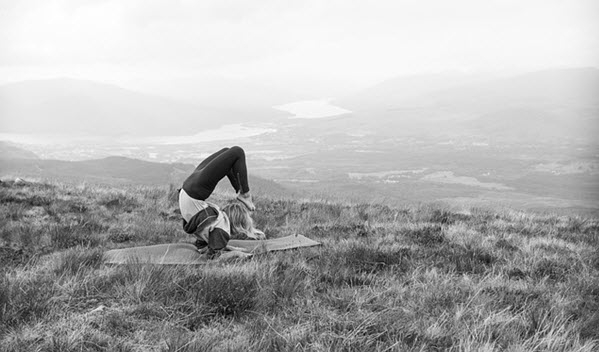
Eventually, you want to step it up once you’ve set up your cue, habit, and reward cycle.
Just like improving the dog’s posture or responsiveness to commands, you should start to push harder over time, so increase the difficulty, duration or consistency of your habits.
Start doing more intense workouts after a week of easy push-ups. Meditate for longer. Invest in a language-learning course like Rosetta Stone.
After you’ve increased the difficulty, keep rewarding yourself. Expect more from yourself, but keep the treats flowing. The satisfaction of completing your habit will eventually become a reward in itself.
5. Negative reinforcement aka punishment for failure
Here’s the part nobody wants to hear about. What to do when you skip a day.
Well, you have to have some sort of negative reinforcer when you skip your habit. I’m not saying that you need to go take a cold shower or hit yourself over the head, but it’s good to hold yourself accountable.
Jerry Seinfeld’s “Don’t Break the Chain” method works surprisingly well. Put up a calendar in your home and start marking an “X” on each day you complete your habit. If you miss a day and break your chain, you will disappoint yourself and your entire family (or roommates) will know. Failing publicly is a feeling you want to avoid.
My personal rewards are also potential negative reinforcement. If I don’t meditate then I don’t get coffee. If I don’t exercise, then I go hungry until lunch. It’s brutal, but effective.
Other options include donating to a cause you hate, having an accountability partner or uploading an embarrassing photo to Facebook if you fail. Get creative with your negative reinforcement. The more you dislike the idea of “skipping just one day,” the more likely you are to stick with it.
See Also: How to move from one failure to another without losing enthusiasm
Bonus – Figure out WHY
There’s one piece of advice that doesn’t really fit with the dog training theme above. You need to have a purpose for your new habit — the light at the end of the tunnel so-to-speak. A big “WHY?”
When you’re getting in shape to look good at the beach, think about the body you want to have. If you’re learning a language to travel, imagine talking to locals on your journeys.
Having a strong image of your future self will motivate you to move forward when you feel like quitting.
Good Human!
You have the toolkit to start training yourself to learn new habits already – so get started. Find your habit, create your cue, reward yourself, amp it up, and don’t let yourself fail.
It takes a bare minimum of 21 days to form a habit that lasts (usually closer to 66 days), and if you do it right – you could be on the fast-track to building several great habits and approaching your big “WHY” goal.
Let us know what your next habit is in the comments below. We’d love to hear what you have in store for yourself. Good human!