


You dug out that dusty binder and now you’re spiraling — is this Charizard worth $20 or $2,000? Before you list anything on eBay, here’s how to actually figure out what your cards are worth (without getting burned).
Step 1: Find the Exact Card
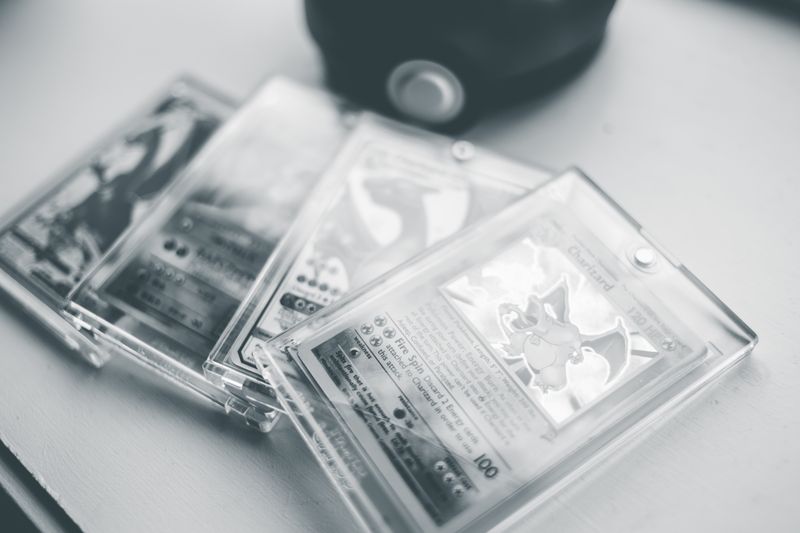
Not all Charizards are the same Charizard. Pokémon cards have been printed dozens of times across different sets, years, and languages — and the price gap between versions can be wild.
Flip the card over and check:
- Set symbol — the small icon near the bottom right (a flame, a sun, a star, etc.)
- Set number — like “4/102” on Base Set cards
- Edition marker — a “1st Edition” stamp near the bottom left is the big one; no stamp usually means Unlimited
That trio — set + number + edition — is your card’s fingerprint. Don’t price it without all three.
The Edition Rabbit Hole (And Why It Matters)
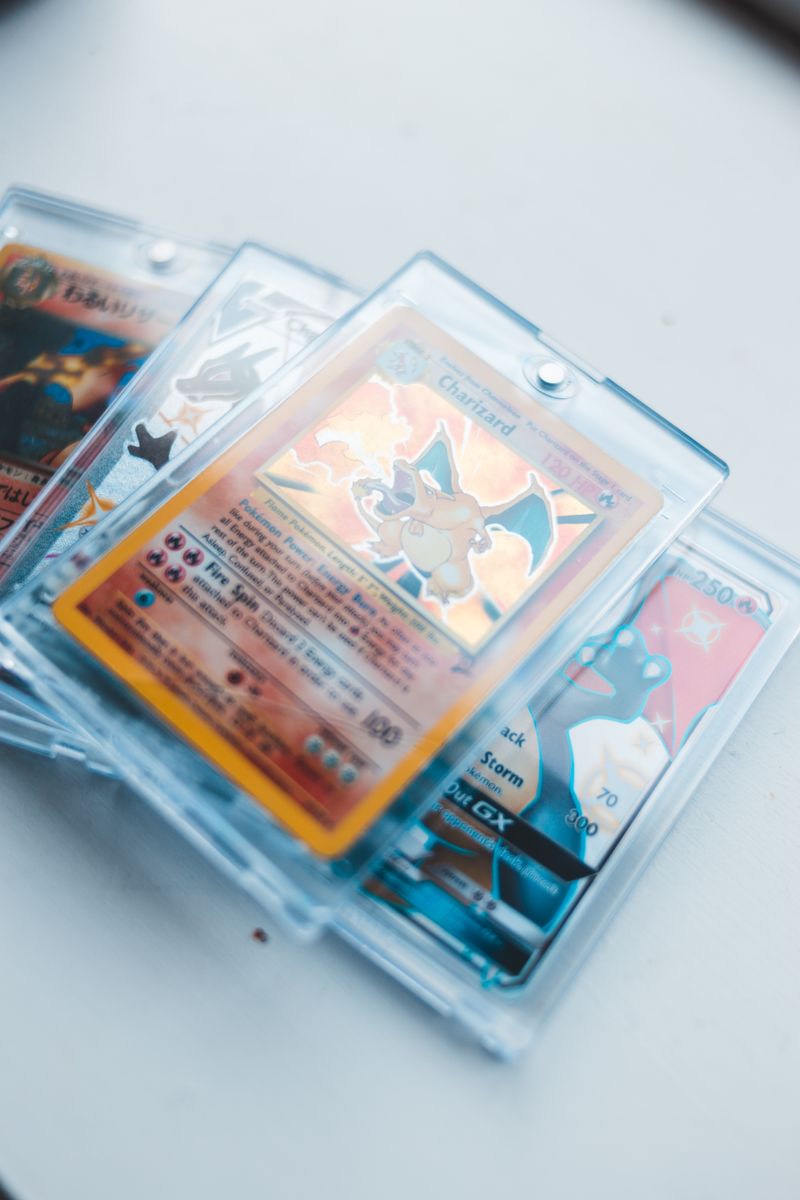
Here’s where a lot of people leave money on the table: editions.
Base Set English cards come in three printings, and the price difference between them is enormous:
- 1st Edition — has a small “Edition 1” stamp on the left side, plus a drop shadow on the Pokémon illustration box. The rarest and most valuable. A 1st Edition Base Set Charizard in PSA 10 has sold for over $400,000.
- Shadowless — no stamp, but still no drop shadow behind the illustration box. Slightly less rare than 1st Edition, still commands a serious premium. Easy to miss if you don’t know to look.
- Unlimited — the most common printing. Drop shadow present, no stamp. Still potentially valuable depending on condition and card, but not in the same league.
Run your fingertip along the illustration box on a Base Set card. Feel a raised edge? That’s the shadow. No raised edge = shadowless or 1st Edition. Then check for the stamp.
This applies to basically every early set — Jungle, Fossil, Team Rocket — not just Base Set.
Step 2: Check the Language
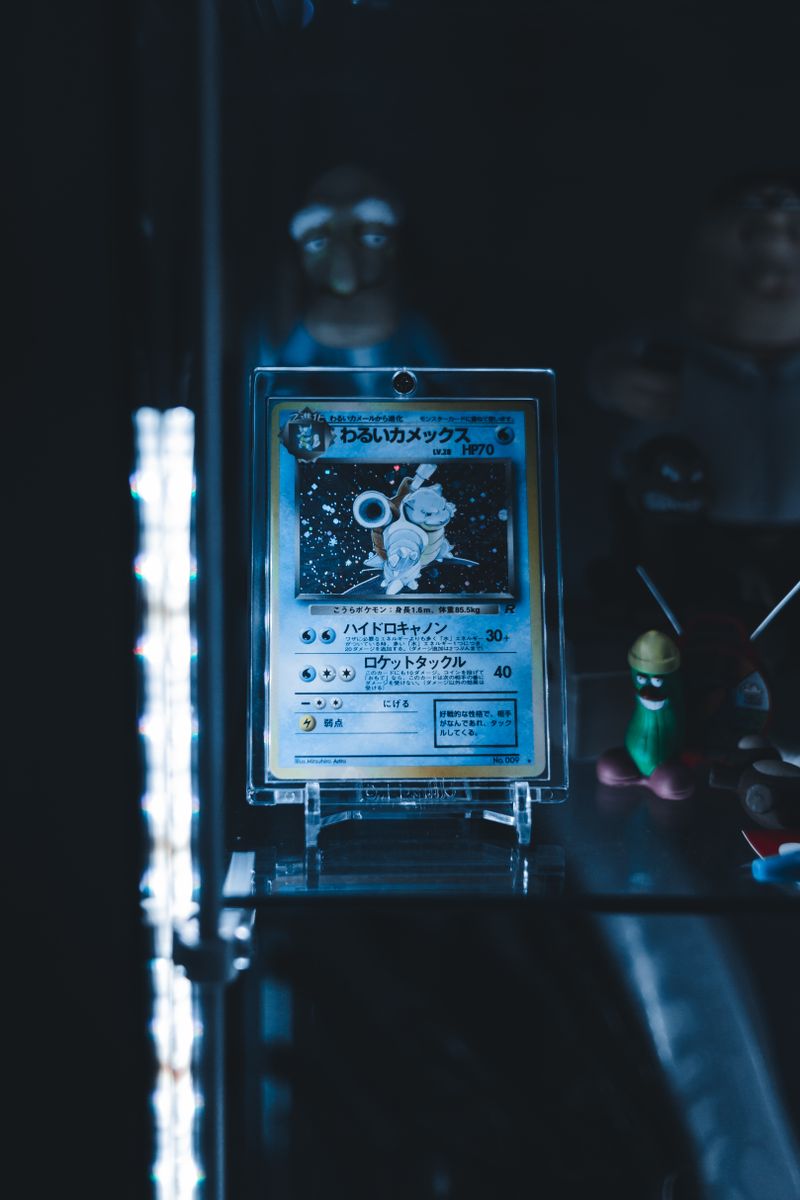
Japanese cards and English cards are NOT the same market. Japanese Pokémon cards were printed in smaller quantities, feature different artwork in some sets, and trade in a completely separate collector ecosystem.
A Japanese Base Set Charizard might sell for a fraction of its English counterpart — or sometimes more, depending on the variant and current demand. Never assume. Always check the language you actually have.
Japanese cards also have their own grading considerations. PSA grades them, but there are Japan-specific graders too. If you have Japanese cards and you’re thinking about submitting, factor in whether US or Japanese buyers are the better audience for what you’ve got.
Step 3: Look It Up on Hoshino
Once you’ve got your card ID locked down, head to Hoshino — it pulls real market prices across both the US and Japanese markets, so you’re seeing what buyers actually paid, not just what sellers are hoping for.
Search by card name, set, and edition. You’ll get:
- US market price (typically based on eBay sold listings)
- Japanese market price (Yahoo! Japan Auctions and similar)
If the prices between the two markets look wildly different, that’s not a glitch — it’s a real arbitrage gap that card flippers exploit all the time.
How to Assess Your Card’s Condition
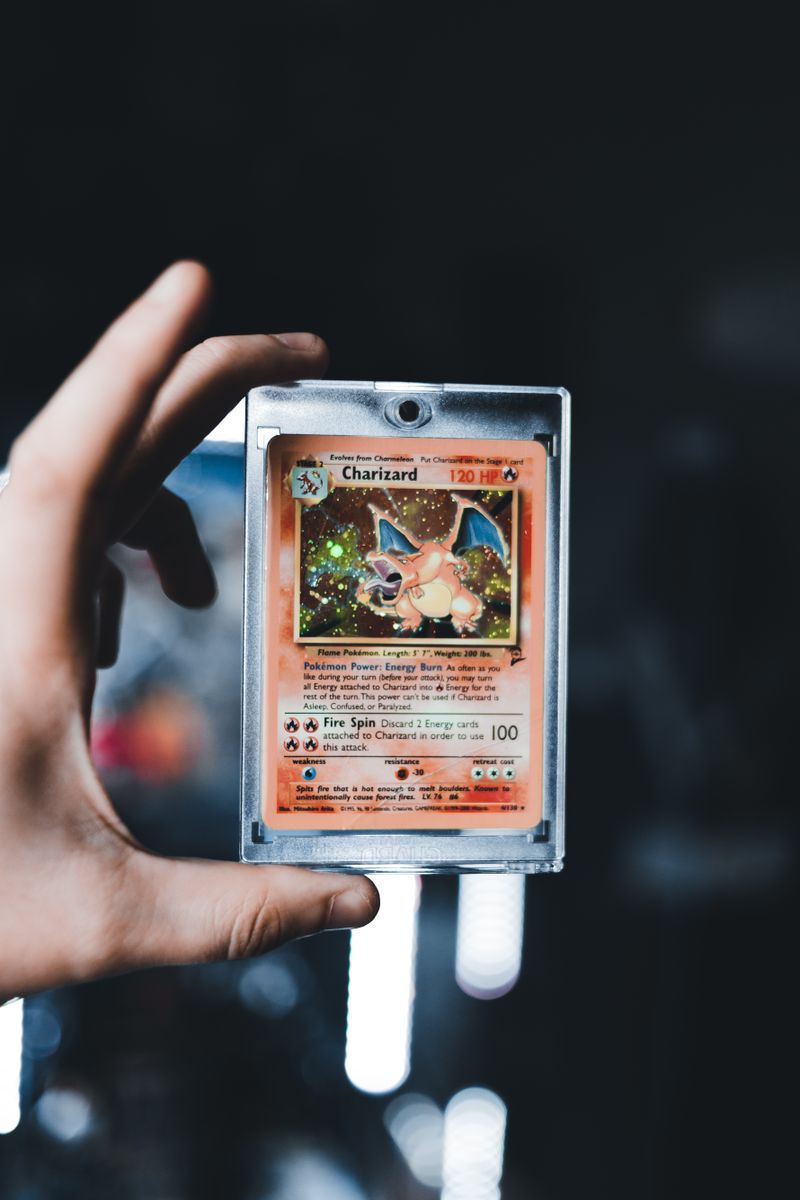
Before you run off to grade anything, take a hard look at the card yourself. Grading companies assess four things:
- Centering — is the border even on all sides? Off-center cards get dinged hard. Flip the card over; back centering matters as much as the front.
- Surface — scratches, print lines, and holo scuffs. Hold the card at an angle under a bright light to catch scratches you’d miss head-on.
- Edges — whitening or nicks along the card edges. Run your fingertip along each edge; even slight roughness shows up under a loupe.
- Corners — the first thing graders check. Any softness or bending? That’s usually a PSA 7 or below.
A card that looks clean but has subtle edge whitening or a slightly dinged corner is probably a PSA 7–8, not a 9. PSA 9s are rarer than people think — and the jump from an 8 to a 9 is often where the real money lives.
If you’re sitting on potentially valuable cards, a cheap phone macro lens ($15 on Amazon) makes corner and edge inspection way more accurate before you decide whether to submit.
Raw vs. Graded: The Price Gap Is Real
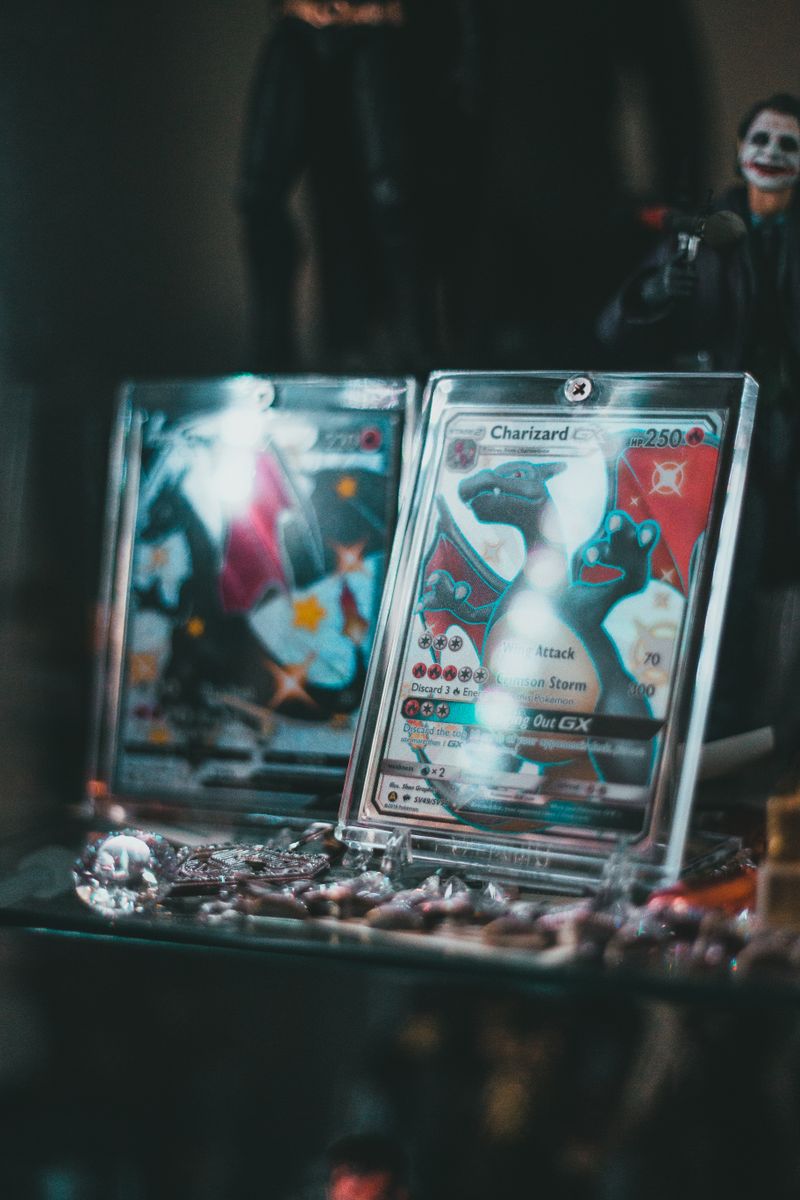
“Raw” = ungraded card, straight out of the binder. “Graded” = professionally assessed by PSA, CGC, or Beckett, sealed in a hard plastic slab with a condition score from 1–10.
The value difference? Massive.
A raw Holo Rare from Base Set might fetch $30–$80 depending on condition. The same card graded PSA 9 could be $200–$500. A PSA 10 (gem mint) might be $1,000+.
Grading is worth it for cards you suspect are in near-perfect shape — especially anything 1st Edition, shadowless, or from early sets. For a creased or heavily played card, grading is a waste of money (PSA charges $25–$50+ per card with multi-month wait times).
Quick rule of thumb:
- Cards worth under $50 raw → sell raw, grading won’t pencil out
- Cards worth $50–$150 raw in excellent condition → do the math carefully before submitting
- Cards worth $150+ raw and visually clean → grading is worth considering
Why Japanese and English Prices Are So Different
A few reasons the gap exists — and why it matters before you sell:
Print runs. Japanese cards were historically printed in smaller quantities. Some vintage Japanese holos are rarer than their English counterparts. Others aren’t. No universal rule — look it up.
Collector base. English-language cards have a massive global collector pool. More demand can mean higher prices, but it also means more supply from people who grew up with them.
Artwork differences. Some Japanese sets feature exclusive art, promo variations, or different card backs. These command premiums with collectors who specifically chase those versions.
Arbitrage. Experienced collectors buy Japanese cards cheap on Yahoo! Japan Auctions and flip them into the US market (or vice versa). If Hoshino shows a big gap between the two markets on your card, that’s exactly what’s happening — and you can exploit it too.
Cards Most Worth Checking Right Now
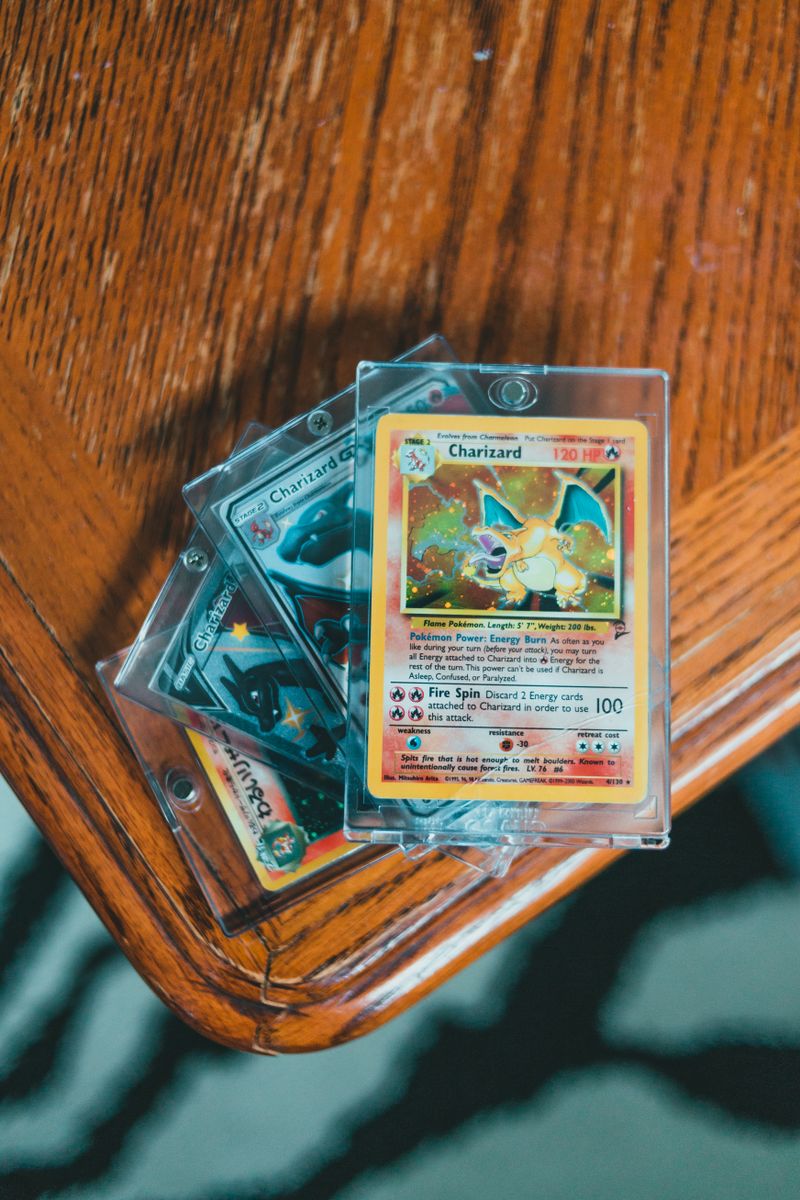
Not every old card is a goldmine, but these are consistently the ones people underestimate. Find any of these in your binder, look them up immediately:
- Base Set Charizard (4/102) — the gold standard. Any edition, any condition. Check the Base Set Charizard on Hoshino to see how dramatically the price swings between 1st Edition, Shadowless, and Unlimited.
- Neo Genesis Lugia — Lugia was always second fiddle to Charizard, but 1st Edition Neo Genesis Lugia PSA 10s have sold for $144,000+. Raw copies in good shape still move for real money.
- Gold Star cards (EX Series) — Charizard, Umbreon, Espeon. Massively underrated by casual sellers. A Gold Star Umbreon in excellent raw condition is worth hundreds.
- Shining Pokémon (Neo Destiny / Neo Revelation) — Shining Charizard, Shining Mewtwo, Shining Gyarados. The textured holo treatment is hard to keep pristine, so high-grade copies are genuinely scarce.
- Moonbreon (Umbreon VMAX Alt Art) — a newer card that’s already hit collector status. Don’t overlook recent sets just because they’re not vintage.
If any of those names just made your eyes light up, go check your collection right now.
Where to Sell Your Cards

Once you know what you have, here’s where to actually move them:
eBay — Still the biggest marketplace for raw cards. Check “Sold listings” (not just asking prices) to see what buyers actually paid. Best for commons, uncommons, and mid-tier holos.
TCGPlayer — Great for Standard and recent sets. Buyers are usually competitive players, not collectors, so vintage cards don’t perform as well here.
Facebook Marketplace / local card shops — Fast and fee-free, but expect 30–50% under market value. Fine if you want cash today and hate dealing with shipping.
eBay auction format (for big cards) — If you’ve got a graded PSA 9/10 or a legitimately rare card, auction format can spark bidding wars. Fixed price kills upside on trophy cards.
PWCC Marketplace — For high-value graded cards ($500+), PWCC runs dedicated auctions that attract serious collectors. Better audience than standard eBay for anything slab-worthy.
Vendor at local card shows — If you have a large collection to move fast, bulk-selling at a Pokémon event gets it done in one shot. You won’t get top dollar, but it’s painless.
One thing to avoid: selling raw vintage cards to card shops. They’ll offer 10–30 cents on the dollar — they need margin, and you don’t have to give it to them.
The Quick Checklist Before You Sell

- ✅ Identified the exact set, number, and edition
- ✅ Confirmed 1st Edition, Shadowless, or Unlimited (for early sets)
- ✅ Noted whether it’s English or Japanese
- ✅ Checked condition yourself — centering, corners, edges, surface
- ✅ Looked up both markets on Hoshino
- ✅ Decided raw vs. graded based on condition and estimated value
- ✅ Picked the right selling platform for the card tier
Ten minutes of research beats leaving $50 — or $500 — on the table. Go find that binder.




















Comments