


You grab a handful of crackers. Twenty minutes later, you’re back in the kitchen. That’s not a willpower problem — it’s a snack problem.
The right snacks keep hunger quiet for hours. The wrong ones just restart the loop. Here’s what actually works.
Why You’re Stuck in the Snacking Loop
Most packaged snacks are built around fast carbs: pretzels, rice cakes, low-fat crackers, those “100-calorie” packs that leave you hungrier than when you started. They spike your blood sugar, give you a brief energy bump, and then drop you — taking your “I’m full” signal down with them.
Satiety is driven by three things: protein, fiber, and fat. Snacks that are genuinely filling hit at least two of those. Snacks that leave you grazing 20 minutes later hit zero.
According to Harvard Health, protein is especially powerful at triggering the hormones that tell your brain to stop eating — which is why a small portion of Greek yogurt or a handful of almonds does more work than a whole sleeve of crackers with the same calorie count.
READ ALSO: Mindful Eating Habits That Don’t Feel Like a Diet
Snacks That Actually Last
These are the satiating snacks worth keeping stocked. Each one has enough protein, fiber, or fat to actually register as food to your brain — not just a temporary distraction.
- Hard-boiled eggs — Six grams of protein each, portable, prep-once-and-done. Cook a batch on Sunday and you’re set for five days of not rummaging through the pantry at 3 p.m.
- Apple + nut butter — The fiber in the apple and the fat in the nut butter slow digestion considerably. Mayo Clinic explains that soluble fiber forms a gel in your gut that buffers blood sugar and extends fullness. One apple, two tablespoons of almond butter, done.
- Hummus + raw vegetables — Chickpeas bring protein and fiber in one shot. Add cucumber, bell peppers, or carrots and you’re stacking even more fiber on top. It’s one of the best snacks for hunger control hiding in your grocery store.
- Edamame — A cup has about 17 grams of protein. Frozen bags microwave in five minutes. A little sea salt and you’re actually satisfied, not just less bored.
- A small handful of almonds — About 23 almonds per serving (not the entire bag — no judgment, but there’s a reason the serving size exists). The American Heart Association backs nuts as satisfying, heart-friendly snacks with real staying power.
READ ALSO: Budget-Friendly Healthy Snacks Worth Buying
High-Protein Picks
Protein is the MVP of hunger control. It takes longer to digest than carbs, and it triggers your appetite-suppressing hormones directly. If you’re consistently ravenous between meals, bumping up snack protein is usually the simplest fix.
- Greek yogurt — Plain, 2% or full-fat, 15–20 grams of protein per serving depending on the brand. Add berries or a small drizzle of honey if plain isn’t your thing. Cleveland Clinic consistently recommends it as one of the most protein-dense, gut-friendly convenience foods you can buy.
- Cottage cheese — The comeback kid. Half a cup has around 14 grams of protein and a creamy texture that actually feels like eating something. Pair with sliced cucumber and everything bagel seasoning and it stops feeling like diet food entirely.
- Turkey or beef jerky — Check the label for added sugar and go easy on the sodium, but a good low-sugar jerky is a solid high-protein filling snack that travels without refrigeration.
- Cheese + whole grain crackers — Fat and protein from the cheese, some fiber from the cracker. Much better ratio than crackers solo.
A consistent body of research has found that higher protein intake is linked to increased fullness compared to higher carbohydrate intake — even when total calories are the same. The mechanism is real, not just wellness-blog logic.
Fiber-Forward Options
Fiber slows digestion, buffers blood sugar spikes, and adds bulk without loading up on calories. Most people aren’t getting nearly enough of it — the Harvard T.H. Chan School of Public Health estimates the average American eats roughly half the recommended daily intake. Snacks are an easy place to close that gap.
- Air-popped popcorn — Three cups has about 3.5 grams of fiber and genuine volume, so your brain processes it as a real snack. Skip the artificial butter flavoring and season it yourself with olive oil, salt, or nutritional yeast.
- Avocado on whole grain toast or rice cakes — Healthy fat plus fiber. It earns the hype.
- Roasted chickpeas — Crunchy, savory, and surprisingly satisfying. Buy a bag or roast a can yourself: drain, pat dry, toss with olive oil and spices, bake at 400°F for 25 minutes.
- Raspberries or pears — Berries are sneakily high in fiber. A cup of raspberries packs 8 grams — more than most granola bars. Pears are also excellent fiber-forward options that travel well.
READ ALSO: High-Protein Breakfast Ideas to Start Your Day Right
The Sweet Ones (Without the Crash)
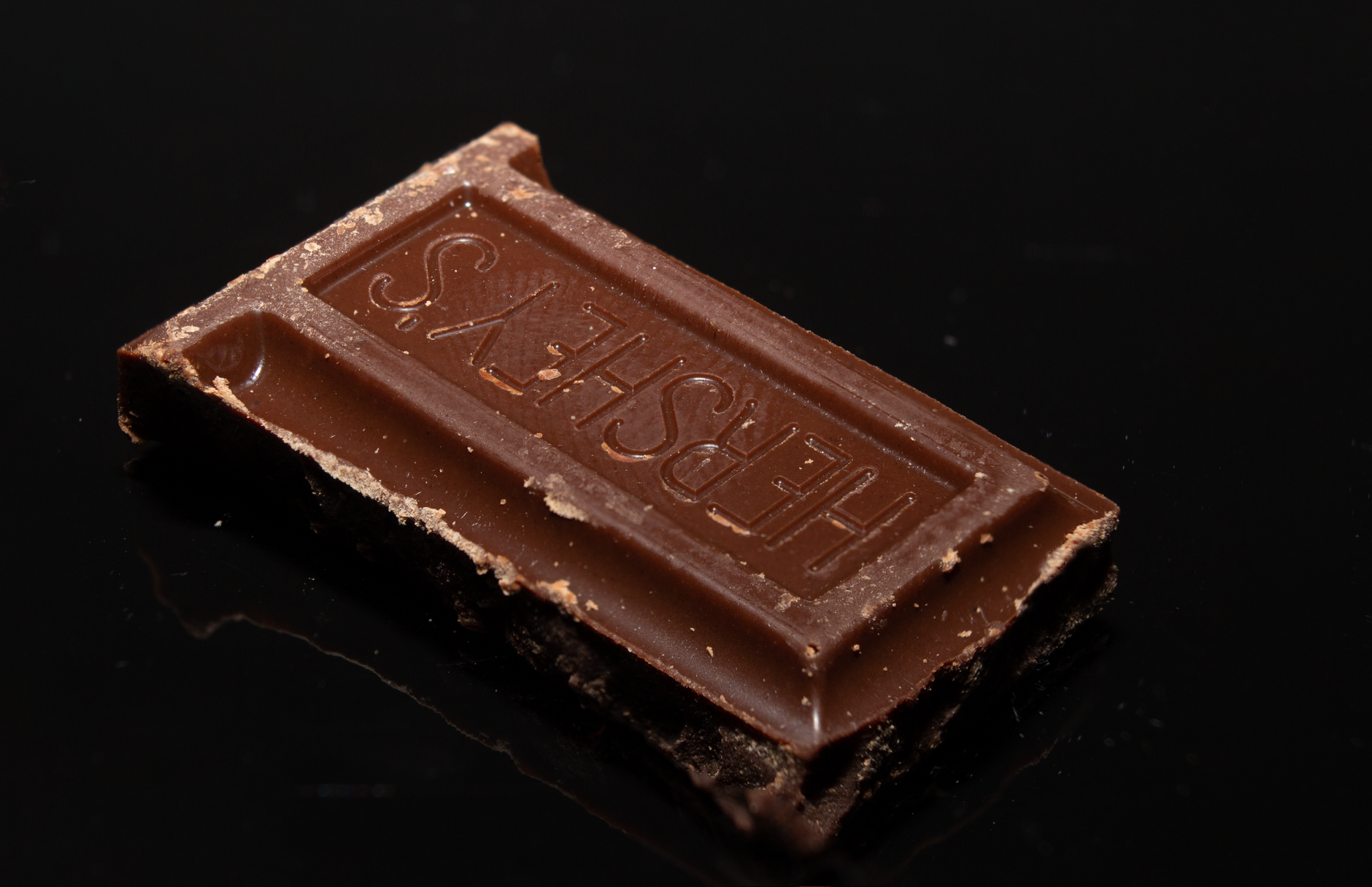
Sweet cravings are real, and the answer isn’t to white-knuckle through them. It’s to satisfy them with something that doesn’t launch you into a blood sugar spiral 30 minutes later.
- Dark chocolate + almonds — A couple of squares of 70%+ dark chocolate with a small handful of almonds hits the sweet spot without the crash. Harvard Health notes that dark chocolate’s fat content slows absorption and can actually reduce appetite. Two squares is often genuinely enough.
- Banana + nut butter — Naturally sweet with potassium, fiber, and fat to smooth out the sugar curve.
- Dates stuffed with almond butter — Sweet like candy but with enough fiber and fat to slow the sugar hit. Two or three is legitimately satisfying.
- Frozen grapes — Cold, sweet, weirdly addictive. Better move than reaching for ice cream at 9 p.m., and they require exactly zero effort to prepare.
The thing to avoid with sweet snacks is refined sugar with no fat, fiber, or protein attached — that’s the combination that creates the crash. Cleveland Clinic explains exactly why: fast sugar causes a quick blood glucose spike followed by a sharp drop, which is the signal your body interprets as “still hungry.”
How to Snack Smarter
The snack itself matters, but so does everything around it.
- No more bag-to-mouth snacking. Portion snacks into a bowl before you eat them. Mindless eating — the kind where you demolish something while staring at a screen and have no memory of it — genuinely reduces how satisfied you feel, even at identical calorie counts. NIH research has confirmed that distracted eaters consume more and register less fullness.
- Eat the protein component first. If your snack has multiple parts, eat the protein piece before the carb piece. It starts the satiety signal earlier.
- Give it 15 minutes. Fullness signals take time to travel from your gut to your brain. If you eat fast and still feel hungry, wait a bit before going back. More often than not, the hunger fades.
- Keep the good stuff visible. NIH-backed research has confirmed what your own kitchen habits already knew: you eat what you see. Put the apples, the yogurt, and the hard-boiled eggs at eye level. Move the chips to a high shelf or out of the house entirely.
Also worth mentioning: thirst and hunger share overlapping signals. If you ate two hours ago and you’re already feeling hungry again, drink a full glass of water and wait ten minutes. Not always the answer, but often enough that it’s worth checking first.
READ ALSO: Easy Meal Prep Ideas That Actually Save You Time
Pick Three and You’re Set
You don’t need to rework your whole pantry. Pick three snacks from this list that actually appeal to you — one protein-forward, one fiber-forward, one sweet option — and keep them stocked.
Rotate as needed. When you stop defaulting to fast-carb snacks that leave you hungry again in 20 minutes, the endless grazing loop mostly stops on its own. Turns out the fix for snacks that don’t fill you up is just snacks that do.
Want more DLM-approved food finds and actually-useful tips delivered to your inbox? The DLM newsletter drops the good stuff weekly — no fluff, just the wins.
UP NEXT: Healthy Lunch Ideas That Keep You Full Until Dinner

















Comments