
I’m gonna hold your hands and tell you exactly the same—what is sleeper cells isn’t the kind of question you casually toss out at brunch. It sounds like the title of a thriller novel, or maybe a new Netflix drop. But in reality? It’s neither fiction nor far-fetched. It’s real, it’s current, and it’s creeping its way back into U.S. national security conversations—big time.
With recent strikes involving the U.S., Iran, and heated rhetoric from former President Trump, experts are sounding the alarm on the possibility of dormant enemy operatives right here on American soil. These aren’t your typical hoodie-wearing hackers in dark basements. These are educated, trained, sometimes suit-wearing “neighbors” with deep cover identities—and very real missions.
I. “Just Waiting for the Signal”: What Is a Sleeper Cell, Actually?
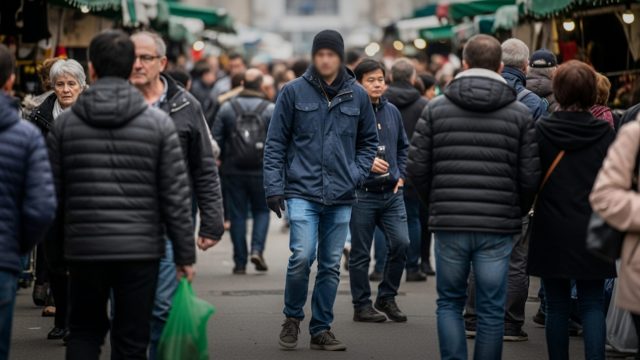
Now, I want you to picture this: a perfectly ordinary apartment complex. One guy teaches math. The woman next door runs a catering business. They make polite conversation, take their trash out on time, and host the occasional BBQ. But behind closed doors? They’re not exactly suburban sweethearts—they’re agents, trained by foreign governments, strategically placed and developed to blend in.
These folks are what counterterrorism experts call sleeper cells. They’re not active (yet). Their mission is to observe, remain unnoticed, and wait—sometimes for years, even two decades—until they’re activated.
Their goals? Vary. Some are meant to gather intel. Others are tasked with carrying out attacks when tensions spike. And some? They’re just waiting to be told what to do. All they need is one call, one word, one signal, and they’re in motion.
II. Why the FBI’s Talking About This Now (Hint: Iran, Trump, and Tensions)

The timing here isn’t random. In the geopolitical soap opera of U.S. versus Iran, things hit a boiling point when Trump ordered a drone strike that killed Iranian military icon Qassem Soleimani. That wasn’t just a headline—it was a serious power play. And one that rattled the region and triggered talk of retaliation.
Iran, never one to take humiliation quietly, vowed revenge. And U.S. intelligence? They’ve been sweating ever since. Not because Iran will go full war mode in daylight, but because they might take the sneaky route—through sleeper cells.
The idea is that Iran, through groups like Hezbollah, may have already planted operatives in the U.S., folks who’ve been developed for this very scenario. With things heating up, those cells may finally be called upon. Creepy, huh?
You May Also Want To Read: Greta Thunberg in a Mission That Matters More Than Ever
III. Sleeper Cells in Pop Culture: How Close Is TV to Reality?

Let’s take a sharp left turn into Hollywood land. Remember The Americans? That FX TV show where Soviet spies posed as a normal suburban couple in Washington D.C.? That show hit a little too close to home.
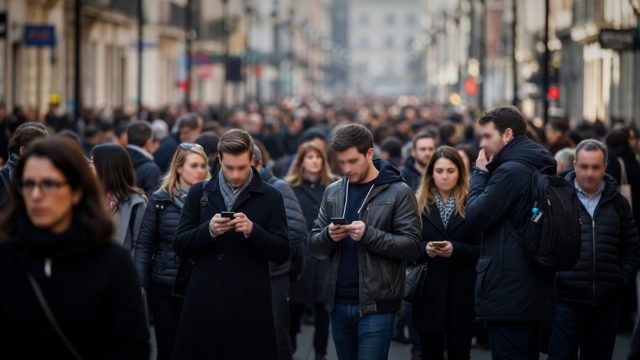
In the real world, sleeper cells don’t look like shady back-alley types. They don’t all wear black or talk in weird accents. Surprisingly, they look like us. They work 9–5 jobs, send their kids to soccer, bake cookies. That’s the whole point. They use essential cover stories to avoid reporting suspicion.
And if you’re thinking, “No way they could hide that well,” think again. Some even marry citizens and raise families to deepen their disguise. Because nothing screams “harmless” like a dad in khakis grilling on a Sunday.
IV. Have Sleeper Cells Actually Been Caught in the U.S.?
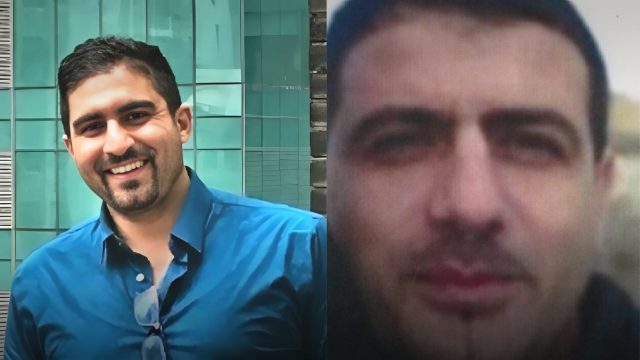
Oh, you bet. Sleeper cells aren’t just theoretical shadow monsters from CIA PowerPoints—they’ve been exposed in real FBI takedowns. And some of these cases are straight-up chilling.
Let’s go back to Ali Kourani—a seemingly average guy living in the Bronx. American citizen, educated, well-mannered. He had a Master’s in Global Security. Impressive, right? Except he was also working as a covert operative for Hezbollah’s Islamic Jihad Organization. Kourani wasn’t just watching YouTube videos about politics. He was mapping out sites like JFK International Airport and tracking services connected to military and law enforcement.
And then there’s Samer El Debek, another U.S. citizen arrested in Michigan. He had two passports, chemical handling training, and admitted to carrying out research on targets for Hezbollah in Panama. Like… excuse me?!
These are just the big names. The FBI has quietly dismantled other sleeper setups—some still inactive, some in training. And here’s the wild part: many of these people had been in the U.S. for years. Working. Living. Mowing their lawns.
Which means the uncomfortable truth is… there may be more. And they don’t need to be in constant contact with their handlers. A digital nudge. A weird email. A phrase embedded in a video or a coded advertising banner. That’s enough to trigger activation.
V. How the FBI and Homeland Security Are Fighting the Invisible War
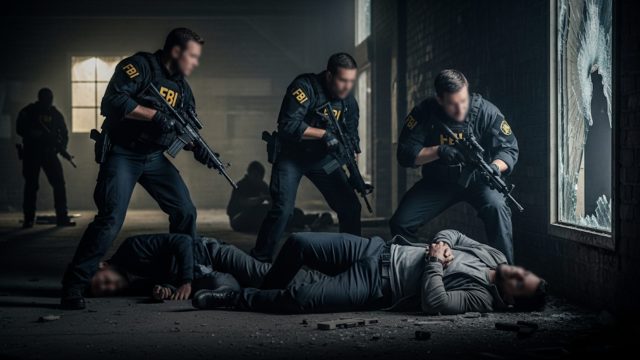
Imagine trying to stop a threat you can’t see, hear, or prove exists until it’s too late. That’s what fighting sleeper cells looks like.
The FBI, CIA, Homeland Security, and local intelligence departments are in a 24/7 game of “Where’s Waldo?,” except Waldo might blow up a government building if you blink. So how do they keep up?
They’ve leveled up—using AI-powered analytics, facial recognition tools, and financial tracking software to identify red flags. But it’s not just about tracking money or phone calls. They monitor behaviors. Definitely, these people watch patterns. They look at the tiny things most of us wouldn’t notice—like sudden changes in work routine, fast withdrawals of money, or even odd travel routes.
They also invest into digital browser behavior, using similar technologies that track essential cookies—yes, those same ones you click “accept” on while just trying to read an article. These tools help them track operatives trying to hide in the digital fog.
And the partnerships? Massive. They work with companies, universities, banks, and even social platforms. Because national security isn’t just in the hands of the government anymore—it’s a team effort. And everyone from TikTok engineers to airport janitors could unknowingly be the last line of defense.
VI. From Science Labs to Warfare: Sleeper Cells and Biology

Let’s talk about the creepy crossover of science and sabotage. If you’re picturing sleeper cells just throwing punches and dodging bullets, you’re missing the bigger threat. Some of them target laboratory medicine and biology research—because, let’s face it, what better way to quietly destroy a society than mess with its health systems?
In 2020, a Chinese researcher with military ties was caught hiding in a San Francisco University—and that wasn’t even the first time. Experts now warn that foreign agents could be planted in academic settings, stealing sensitive research about vaccines, viruses, or drug developments.
What’s the risk? Everything. Imagine if data on a new cancer treatment is erased. Or worse, stolen and rerouted for bio-weapon development. Imagine a bioengineered virus being slipped into our national health database.
And let’s not forget the patients. A sleeper operative inside a health tech firm could identify weaknesses in hospital systems, hack emergency services, or mess with lab results. It’s not just a nerdy sci-fi plot. It’s already happened in parts of Europe and the Middle East.
The next world war may not be fought with tanks—but with cells, lab coats, and stolen hard drives.
VII. Cookies, Browsers, and Spying: How Modern Espionage Gets Techy

Welcome to 2025, where your browser settings can be a battlefield.
Modern sleeper cells have ditched paper notes and invisible ink. Instead, they weaponize the very tools we use every day—advertising networks, data scraping bots, essential cookies, and yes, your innocent-looking search history.
Take “steganography,” for example. It’s the dark art of hiding data in plain sight. A single image on a website, a pixel on a page, or a strangely phrased video caption might carry an entire set of instructions. No James Bond decoder ring needed—just a savvy operative with a plugin and a password.
There have been real cases where messages were sent via code hidden in advertising banners, cookie packets, or browser metadata. A harmless fitness ad? Maybe not. That server it’s coming from could be a command post.
And here’s the kicker: most companies don’t even know their networks are being used. That’s why U.S. intelligence is now working with ad firms and essential tech services to harden these digital pipelines.
Because the next order to activate a sleeper cell might not come through a phone call. It might arrive as a pop-up ad.
IX. What’s the End Game?
Now you’re probably wondering—what’s the long-term target? Why go through all this drama? What’s the real interest?
Sleeper cells aren’t just about taking out a building or stealing files. Their mission is to destabilize, confuse, and create widespread fear. It’s psychological warfare with a long fuse. The goal isn’t always to cause massive destruction—but to rattle us so deeply that we no longer trust our neighbors, our systems, or even our own governments.
It’s also about leverage. A sleeper cell, properly developed, can serve as a silent threat during negotiations. It’s the card no one wants to admit is in play—but both sides know it’s there.
For countries like Iran, sleeper cells are about maintaining global influence without firing a single public shot. They let their enemies second-guess every move, review every program, double-check every development project. It’s exhausting—and effective.
And as tech, science, and digital tools evolve, so do the methods of infiltration. It’s not always guns and bombs anymore. Sometimes, it’s a lab coat. Or a spreadsheet. Or a harmless cookie in your browser cache.
Final Word: Stay Informed, Not Paranoid
Okay, deep breath.
You’re not being followed (probably). Your cookies aren’t all spy tools (hopefully). And your neighbor probably isn’t Hezbollah (unless they are, then… uh, yikes). But let’s be clear—sleeper cells are not a thing of the past. They’re evolving, adapting, and, in some cases, already here.
This isn’t about living in fear. It’s about living with awareness. The more we understand about modern espionage—the tech, the tactics, the psychology—the better we are at protecting what matters.
We all play a part. Maybe not in chasing down agents, but in staying curious, asking questions, being informed citizens. Review what you click. Update those settings. Don’t dismiss the weird stuff.
The next big threat might not come from a battlefield—but from a login screen.
So stay sharp. Stay skeptical. And for the love of security—stop clicking on those “One Weird Trick to Burn Belly Fat” ads. That “trick” might just be someone else’s trigger.
Also Read: Trump Tantrums Basically Begs For More Protests- Here’s Why