
As our history reveals, the human population is no stranger to pandemics. The cholera, Black Death, and the HIV pandemic are just a handful of outbreaks that have swept across nations and even changed history. Currently, Covid-19 is shaping up to be another unforgettable pandemic with over 180,000 confirmed cases and 7,000 deaths worldwide.
Government-imposed regulations aside, an essential part of preventing the virus from spreading comes from people’s vigilance and prudence. Basic protective measures against the new virus need to be observed and followed at all times. Here are the best precautionary measures to protect yourself from Covid-19 and other viruses.
Frequent hand washing

Hand hygiene is the best form of protection from the virus. Because viruses and other microbes prefer to live on living surfaces, shaking hands with somebody poses a greater risk than some dry, non-living surfaces.
The hands are also the way that these viruses are spread — fast and efficiently. That’s why hand washing, hand sanitizing, or both, top the list of effective precautionary measures against viruses.
Moreover, it is crucial to wash your hands after going to the bathroom, before eating, and after coughing, sneezing, or blowing your nose. It’s also of utmost importance to be thorough about it. Putting your hands under flowing water for the sake of washing won’t do.
CDC recommends washing for at least 20 seconds and with soap, of course. If water and soap aren’t readily available, an alcohol-based hand sanitizer with at least 60% alcohol can be used as an alternative. However, use water and soap if your hands are visibly dirty.
Remember, the virus gets spread fast. Washing eliminates the virus if it’s on your hands so it’s important to pay heed to matters of hygiene and cleanliness, especially in times like these.
Cover your mouth when coughing or sneezing
For starters, it’s rude not to. Health-wise, it’s like inviting the virus to propagate and allowing it to overstay its welcome. Observing respiratory hygiene is basic etiquette with or without a nasty viral pathogen. When coughing and sneezing, cover your mouth and nose with your flexed elbow or with tissue. Dispose the tissue in the trash properly and immediately.
This is important because as simple as covering your mouth prevents the spread of germs and viruses. Don’t cough or sneeze into your hands as that may lead to contaminating things or people you touch. Practicing proper respiratory hygiene goes a long way.
Maintain your distance
During a viral outbreak, it’s generally advised to stay away from crowded places for obvious reasons. The virus is more likely to spread with proximity. But since it’s not entirely possible to avoid going out, the best course of action is to just to maintain at least 1 meter (3 feet) distance between yourself and others.
If there are people around you who are coughing, sneezing and have a fever, the necessity to maintain your distance is even greater.
Proximity is a huge risk. When someone who’s infected with a respiratory disease, like the new coronavirus, coughs or sneezes near you, they release tiny droplets that carry the virus. If you’re too close, you can breathe in the virus and that’s how many diseases are contracted, including Covid-19.
Avoid touching your eyes, nose and mouth
People often touch their face without them knowing but with the threat of coronavirus, it’s only right to be more mindful. The hands touch a lot of surfaces and we all know how surfaces can be far from spotless.
Any surface you touch may be contaminated with the virus. So, if you touch your eyes, nose or mouth, you’re basically handing the virus from the surface to yourself. Avoid touching your face to make it less likely for any virus to spread.
Seek medical care when having respiratory symptoms
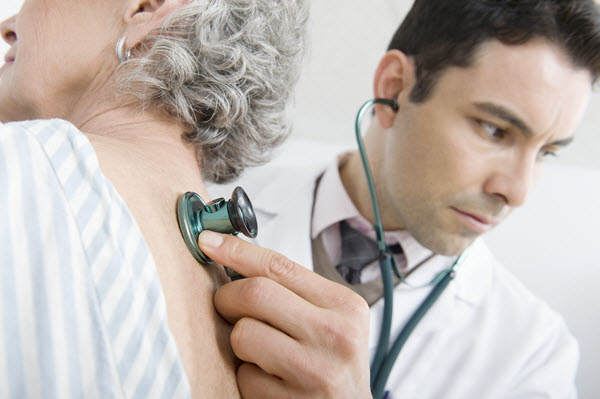
If you have a fever, cough or find it hard to breathe, don’t think twice about getting help. The sooner you seek medical care, the better. Tell your doctor if you’ve just gone on a trip from an area in China with cases of the virus. Do the same if you’ve been in close contact with someone who has traveled from China and is showing the aforementioned symptoms.
Fever, coughing, and difficulty breathing are symptoms of a respiratory illness or other serious conditions. It’s imperative to get checked by your healthcare provider at once to get the medical attention you need. Respiratory symptoms accompanied by fever can have different causes. Covid-19 could be one of them, depending on your travel history and set of conditions.
Practice general hygiene when visiting wet markets
For your safety, avoid contact with sick animals or spoiled animal products and stay away from possibly contaminated animal waste or fluids on the soil or structures. Steer clear of any other animals in the market as well, like stray dogs, cats, birds, etc.
Don’t touch your eyes, nose, and mouth during your market visit and wash your hands properly after touching animals and animal products. Also, avoid eating raw or undercooked animal products.
See Also: The Importance of Personal Hygiene for Healthy Living
Can wearing a mask help?
People who are well don’t need to wear masks as per CDC’s recommendations. Only those who show symptoms of Covid-19 should wear the masks to protect others from the risk of infection. Facemask use is also required for health workers, but not for regular people who don’t show any symptoms.
Wearing a mask all the time will also make it less effective, allowing viruses to be transmitted around it and through it. Moisture in face masks will also encourage the growth of bacteria and viruses.
Stay up to date but be wary of misinformation

Misinformation spreads faster than any viral pathogen, causing unwarranted panic and racial hostility. Exposure to inaccurate information is another form of threat and social media largely contributes to its faster, wider reach.
There are potentially lethal consequences fueled by narratives being manipulated, such as societies being divided by fear and rage. Misinformation also causes mayhem, making it harder for officials and health personnel to do their jobs.
When reading news and articles, stick to credible sources. WHO, CDC, and Bloomberg, are just some of the sources that provide up-to-date news about Covid-19. Technology giants Facebook, Twitter, and Google have also assigned new directives in place to curtail the spread of false information. Of course, we also have a social obligation and that’s to be responsible when consuming and spreading information.
To sum up, here are the dos and don’ts to help prevent the spread of the new coronavirus:
- Wash your hands often and thoroughly. Use soap and water for 20 seconds. Alcohol-based sanitizer can be used as an alternative.
- Wash before meals, after being in public places, and being around with someone who is or might be sick.
- Cover your mouth with tissue when coughing or sneezing. Discard the tissue in a closed bin. If tissue is unavailable, cough or sneeze into your elbow.
- Maintain at least 1 meter (3 feet) distance between yourself and others.
- Seek medical medical help when showing respiratory symptoms.
- Eat a healthy diet, exercise, and get enough sleep to strengthen your immune system.
- Don’t cough into your hands.
- Don’t touch your eyes, nose, and mouth.
- Don’t touch sick animals or spoiled animal products.
- Avoid direct, unprotected contact with live animals and surfaces that have been in contact with animals.
- Don’t eat raw or undercooked animal products.
- Avoid contact with people who are coughing, sneezing, or have a fever.
- Avoid crowded places if possible.