


Let me be very clear from the start because winter exposes bad choices fast. A snow shovel is not just a tool you grab and forget about. It controls how your entire winter routine feels, from your arms to your back to your mood. I have tested more snow shovel models than I ever expected to. I am the neighbor outside late at night, clearing snow calmly while others fight with broken tools. Snow removal is not just a chore to me anymore. It is a system, a strategy, and honestly, a quiet flex when done right.
If you are still using a flimsy shovel that cracks, bends, or wrecks your arms, we need to fix that. Low-quality shovels are prone to cracking or bending under the weight of heavy, compacted snow, especially when you’re moving tons of snow over a typical winter. Snow is heavy by default, and wet snow is on another level entirely. Heavy snow combined with poor design leads straight to back strain and wasted time and energy spent shoveling with a poor tool. I learned that lesson after years of sore mornings and broken handles. A good shovel changes how your body feels after every storm.
READ ALSO: 8 Easy Snow Removal Tips For Your Garden
Why Your Snow Shovel Choice Matters More Than You Think


Most people assume all shovels work the same, but winter quickly proves that idea wrong. Snow removal is physical work, and your tools must match the job. Loose snow, packed snow, and ice all behave differently on a driveway or walkway. A shovel that handles one poorly will fail you when conditions change.
The right snow shovel protects your body while saving serious time. A bad one forces awkward posture and overuses your arms. I have cleared small driveways that should have taken minutes but dragged on for hours. Every time, the problem was not the snow itself. The problem was always the shovel.
My First Real Test With a Proper Snow Shovel


My first real test came during a heavy storm that dumped inches of wet snow overnight. The driveway was completely covered, and everything felt glued together. My old plastic shovel cracked near the handle after only a few minutes. That moment ended my patience with cheap tools for good.
I replaced it with a sturdy model featuring a metal edge and a t handle. The improvement was immediate. I could push snow instead of lifting nonstop. My posture stayed upright, my arms lasted longer, and my body did not ache the next morning. That single upgrade changed how I approached winter work.
Plastic Shovel vs Metal Shovel Truth Talk


This debate shows up every winter, so let us settle it properly. A plastic shovel is light, easy to maneuver, and ideal for dry snow and loose snow. Choosing a plastic one is especially practical for heavy snowfall or lighter tasks, thanks to its lightweight and material advantages. It allows faster movement with less fatigue when conditions are mild.
A metal shovel cuts through ice and packed snow with authority, but weight becomes an issue. Metal snow shovels are generally more durable than plastic ones, but high-quality plastic snow shovels with a metal lip can also be durable if designed for heavy use. Heavy metal models increase strain fast. The best solution blends reinforced plastic with a metal edge. That balance delivers durability without sacrificing comfort.
Why a Metal Edge Is a Non Negotiable Feature


A snow shovel without a metal edge usually falls apart the second real ice shows up. Sidewalks, driveways, and packed walkways are not just “snow problems.” They turn into a thin, stubborn layer of ice that needs true scraping power, and a flat plastic lip often just skates over it. You end up doing the same pass again and again, which feels like work with zero progress.
That’s why a metal strip is the part you stop compromising on. It adds bite, leverage, and cleaner control, so you can dig into crusted snow, break up frozen ridges, and scrape down to the surface instead of leaving a slippery film behind. It also takes the beating that would normally stress the shovel body, helping prevent chips, cracks, and early wear. Over time, that means stronger durability and better long-term performance, especially in places where freeze and thaw cycles keep re-icing everything.
Push Snow Like a Pro With the Right Shape


Pusher style shovels are my go to for fast clearing. They allow you to push snow forward instead of lifting every scoop. This dramatically reduces back strain during long sessions. A well-designed snow pusher can easily navigate uneven surfaces or cracks, making it more effective on driveways and walkways with surface irregularities.
Wide scoops perform best on flat areas like driveways, patios, and decks. Innovative snow shovels with wide scoops can reduce cleanup time by holding more snow and minimizing overflow during use. Narrow scoops shine when throwing snow into a pile. Choosing the right shape saves energy and keeps your pace steady.
Check out this True Temper 1639300 Steel Snow Pusher here.
Handle Design Changes Everything
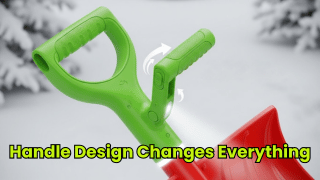

The handle is one of the most overlooked features, yet it controls comfort. An ergonomic handle improves posture and reduces wrist strain. Ergonomic snow shovels often feature bent or S-shaped handles to reduce back strain during use. The design of snow shovels with curved or bent handles allows for more flexibility in hand positioning, which can help reduce the effort required to lift snow. A t handle adds leverage and control during lifting.
That is why an easy-hold handle matters for real-world snow clearing. A textured, non-slip grip helps you keep steady movement without squeezing too hard, which saves your wrists and forearms from burning out early. It also helps you stay consistent when switching between pushing, scraping, and lifting, so the whole shovel feels more balanced instead of fighting you. Less grip fatigue means you last longer, clear faster, and finish the job without feeling wrecked afterward.
Weight Balance Makes or Breaks Durability


Weight balance is the thing that quietly decides whether a snow shovel lasts one season or becomes a garage mistake. Lightweight does not automatically mean weak, especially when the shovel is built with reinforcement where stress hits hardest, like the blade, edge, and shaft connection. The best snow shovel balances weight and strength across the entire tool, so it feels light in motion but still strong when it meets wet snow and packed buildup.
A truly balanced snow shovel stays controlled when you lift, twist, and toss under real conditions. I test balance by repeatedly lifting wet snow because that is when poor designs start to feel awkward, top-heavy, or flexy. If a shovel begins to bend or feels unstable, it fails fast, even if it looked tough on day one. Durable tools should feel solid without extra bulk, letting you work longer with less strain and more consistent clearing.
Built Tough Does Not Mean Heavy
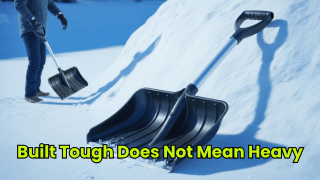

Built tough does not mean you should feel like you are lifting a gym bar every time you clear the driveway. Some brands mistake toughness for extra weight, and that tradeoff backfires once you are deep into real shoveling. Heavy shovels increase strain on your arms, shoulders, and posture, especially when you are lifting wet snow or working fast. That strain builds quickly during storms, and it can turn a normal cleanup into a tiring, slow job.
A truly durable snow shovel is strong because of smart construction, not bulk. Built tough means reinforced plastic in high-impact spots, solid joints that stay tight, and a dependable metal edge that can scrape crust and ice without damaging the blade. Quality materials outperform unnecessary weight because they keep the shovel controlled and efficient in your hands. In a long winter season, that balance is what keeps performance consistent.
READ ALSO: Winter Clothes For Men Who Refuse To Look Like Burritos
Clearing Snow at Night Without Waking the Block


Night snow removal really shows whether a shovel has a smooth design or just looks good on a shelf. When the neighborhood is quiet, loud scraping feels twice as loud, so smooth pushing becomes the better move when conditions are calm. A plastic shovel with a metal edge can glide more smoothly across light snow while still giving you enough bite to clear cleanly. That balance helps you stay efficient without turning every pass into a noisy, grinding sound.
Visibility matters just as much at night, especially when you are tired and working under weak porch lights. Bright colors help you track the blade edge, see where you have already cleared, and avoid clipping steps, curbs, or uneven spots. That reduces mistakes, protects the shovel, and keeps your clearing lines neat instead of patchy. Better visibility leads to cleaner clearing, and it makes nighttime cleanup feel safer and more controlled.
Snow Types Change the Game Completely


Dry snow is light, fluffy, and usually easy to move, which makes scooping and throwing feel simple at first. It slides off the blade quickly, so you can clear wide areas fast with steady pushes or quick lifts. But even dry snow can pile up deep, and that is when handle comfort and weight balance start to matter because you are repeating the same motion again and again.
Wet snow is the complete opposite, and it is where weak shovels get exposed. It is dense, heavy, and sticky, so you need strength plus good leverage to lift it without fighting the tool. Packed snow then raises the difficulty again by demanding real scraping power, while ice forces you to slow down and rely on sharp edges and controlled pressure instead of brute force. One well-designed shovel should handle all types without breaking, which usually means a solid metal edge, reinforced construction, and a handle design that stays comfortable when the snow gets heavier.
Handling Wet Snow with Ease
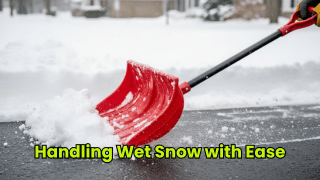

Wet snow is the real stress test for any snow shovel because it clumps, sticks, and turns every scoop into extra weight. Unlike dry snow that slides off easily, wet snow drags on the blade and loads up fast, which is why back strain can show up quickly on driveways and walkways. In these conditions, the shovel’s build, balance, and handle design matter more than ever because you need control, not chaos, with every lift and push.
A plastic shovel with a reinforced metal edge is usually the best match for wet snow because you get maneuverability plus the leverage needed to cut into compacted piles. Choose a blade with a slight curve or angle so scooping feels smoother, and avoid oversized shovel heads that turn each lift into a workout. A medium-sized blade keeps loads manageable and your pace steady, while solid joints and a dependable grip protect against cracking or loosening under pressure. With the right setup, wet snow becomes a problem you handle efficiently instead of one that wears you down.
Driveway and Sidewalk Strategy That Saves Time
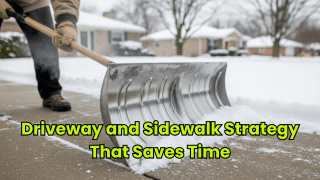

I always start with push passes to move the bulk snow fast, especially right after a storm when everything is still loose. Pushing clears wide sections quickly and keeps your heart rate steady instead of spiking from constant lifting. Once the main path is open, I go back and scoop leftover piles in smaller, cleaner loads so I am not wasting energy lifting snow that could have been pushed.
Tool matching matters because sidewalks and driveways behave differently. Narrow shovels work better on sidewalks because you get control around edges, steps, and tight corners, and you can keep your clearing line neat. Wide pushers dominate driveways because they move a lot of snow per pass and reduce the total number of trips you need to make. Strategy improves efficiency as much as tool choice, and it keeps the job predictable instead of exhausting.
Small Driveways Still Need Quality Tools
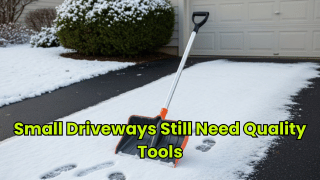

People with small driveways often buy cheap shovels because they assume the job is easier. That logic fails fast because the same strain still happens, just in fewer minutes, and low-quality tools often feel worse immediately. A weak handle, slippery grip, or flimsy blade makes even a short cleanup feel frustrating and harder than it should be.
A quality shovel lasts for many winters, so the cost spreads out over time and saves you from constant replacements. Strong joints, a reinforced blade, and a solid edge hold up through wet snow, packed ridges, and repeated scraping. Cheap tools break more often, and the cycle of buying replacements usually costs more overall. In the long run, durability is the actual budget choice.
Testing Shovels Like a Real User


I test every shovel in real storms, not showrooms, because display aisles never reveal how a tool behaves under pressure. I dig into compacted piles, push long lanes, lift wet loads, and throw snow repeatedly to see how the handle, blade, and balance respond. Real use exposes weaknesses immediately, especially when the shovel is cold and the snow is heavy.
Durability signs show up quickly when a shovel is pushed past “light duty” work. Cracks near the socket, handle flex during lifts, and blade wear at the edge reveal what the tool is really made of. If the shovel feels loose, unstable, or rough after a single session, it will not improve later. Marketing claims mean nothing without real performance that stays consistent.
Grip Comfort Saves Your Hands


Cold plastic becomes slippery fast, and that is where grip comfort starts affecting both speed and safety. Textured grips improve control during long sessions, especially when your gloves get damp and your hands lose sensitivity. Gloves help, but they cannot fix a handle that is smooth, too thin, or awkward to hold.
A well-shaped handle grip keeps your wrists in a natural position and reduces the need to squeeze too hard. Smooth handles often force awkward wrist angles, which increases strain and can make tossing snow feel jerky. Better grip design keeps movement steady and helps you stay efficient even when you are tired. Comfort here is not a luxury, it is what keeps you going.
Leverage Is the Hidden Hero


Leverage reduces effort more than strength alone, and that is why handle shape matters so much in heavy snow. Curved shafts and T-handles support natural lifting mechanics, so you are using your body efficiently instead of fighting the shovel. Good leverage also helps you control the blade angle when pushing, which keeps the shovel from catching or twisting.
Better lifting leverage protects your body during wet snow and packed buildup, where every scoop is heavier than expected. It lowers the stress on your lower back and shoulders because you can lift smaller loads with cleaner motion. This matters during extended clearing sessions when fatigue sets in and form starts to slip. When leverage is right, the shovel feels like it is working with you, not against you.
Clearing Cars Without Damage


Cars need a gentler approach, even when you are in a rush. A metal edge near paint is an unnecessary risk, so I switch to a lighter plastic shovel or even just a soft tool for the car body, then save the scraping for the ground. The goal is controlled clearing, not aggressive digging, because one bad angle can leave a scratch that ruins an otherwise good morning.
For emergencies, a compact shovel is worth keeping in your trunk for digging around tires, clearing a snowed-in parking spot, or making space behind the wheels. The Voilé Telepro Mini Avalanche Shovel is one option people use for car dig-outs, and it is built to be compact while still having a telescoping handle and a sturdy scoop. Just keep the metal parts away from paint, push snow off carefully, and treat the shovel as a “ground tool,” not a “car body tool.” That simple habit keeps your vehicle clean and your morning intact.
READ ALSO: What is the Best Mid-Size Car For Driving In The Snow?
Patios and Decks Need Extra Care


Wood decks and patios need a softer approach because the surface is easier to damage than concrete. A shovel with a plastic blade helps you clear snow without gouging boards or scraping protective finishes. Metal edges can bite into wood, especially if you catch a seam or nail line. Over time, that kind of contact can lead to splinters, surface wear, and costly repairs.
Switching tools based on the surface is a smart snow-clearing strategy, not an extra expense. One shovel can be your “driveway hitter” for packed snow and scraping, while another can be your “deck safe” option for gentle pushing. Owning two shovels also keeps your clearing cleaner because you stop forcing one tool to do every job. That simple upgrade saves time now and avoids repair bills later.
When Shovels Break and Why
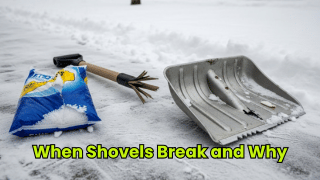

Most snow shovels break at predictable stress points, especially at the handle joint and along the blade edges, where the greatest force is applied during use. Every push, lift, and twist concentrates pressure on these areas, and over time this repeated strain weakens the structure. Cold temperatures make the problem worse by increasing material brittleness, particularly in lower-quality plastics. When plastic becomes stiff in freezing conditions, it loses its ability to flex, making cracks or sudden snaps far more likely—especially when shoveling frozen, compacted, or heavy snow on hard surfaces like concrete or ice.
Durability largely comes down to materials and design. High-quality plastics are engineered to remain flexible in cold weather, allowing them to absorb impact rather than fracture. Reinforced handle joints, often strengthened with internal supports or metal cores, help distribute force more evenly and significantly extend the shovel’s lifespan. Combination shovels that allow both pushing and scooping further reduce stress by minimizing excessive lifting and twisting, making them not only more efficient but also less prone to breaking under harsh winter conditions.
Electric Snow Shovels: Are They Worth It?


Electric snow shovels are becoming a popular option for people who want to clear snow with less physical strain. They’re especially appealing if you deal with heavy snowfall, have a large driveway, or want to avoid back and arm fatigue. Designed to handle everything from light powder to compacted snow and thin ice, these tools use motorized augers to do most of the work for you, turning snow removal into a faster and less exhausting task—particularly during early mornings or long winter storms.
When choosing an electric snow shovel, build quality and features matter just as much as power. The best models offer sturdy construction, strong motors, adjustable handle heights for better ergonomics, and built-in LED lights for low-visibility conditions. Some even include detachable or extended clearing attachments for covering wider areas quickly. While a manual shovel may still make sense for small spaces or occasional use, electric snow shovels are worth considering if you want quicker clearing, reduced strain, and a more comfortable winter snow-removal experience.
Check out this Electric Cordless Snow Shovel here.
Cost Versus Quality Reality Check


Cheap snow shovels often seem like a smart purchase at first because of their low upfront cost, but that affordability is usually short-lived. These budget options are commonly made with thinner plastic, weaker handles, and poorly reinforced joints, which makes them far more likely to crack, bend, or snap under real winter conditions. When a shovel breaks mid-storm, the inconvenience alone can outweigh the savings, not to mention the cost of replacing it year after year. Over multiple seasons, repeatedly buying low-quality shovels often ends up costing more than investing in a better option from the start.
Mid-range shovels typically offer the best balance between price, durability, and performance. They’re usually built with stronger materials, reinforced stress points, and designs meant to handle both light and heavy snow without constant wear and tear. While they may cost a bit more initially, they last longer, perform more reliably, and reduce frustration during demanding winter conditions. Choosing a well-made mid-range shovel is often the most cost-effective decision in the long run, saving money, time, and effort across multiple winters.
Safety Precautions for Snow Shoveling
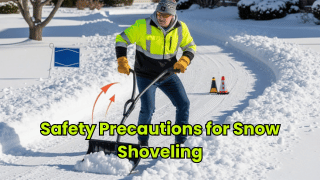

Snow shoveling may seem straightforward, but it can place serious strain on your arms, back, and overall body if done carelessly. Before heading outside, dress in warm layers to protect against the cold and help keep your muscles flexible. Move at a steady pace rather than rushing, since fatigue and haste increase the risk of injury. Taking regular breaks and staying hydrated—even in cold weather when thirst is less noticeable—helps maintain energy levels and reduces physical stress during longer shoveling sessions.Snow shoveling might look simple, but it can put real strain on your arms, back, and body if you’re not careful. Before you head out, layer up to stay warm and protect yourself from the cold. Take your time—rushing leads to mistakes and injuries. Remember to take regular breaks and drink water, even if you don’t feel thirsty.
Using the right technique is just as important as preparation. Choose a shovel with an ergonomic handle to maintain natural posture and reduce strain on your wrists, shoulders, and back. When lifting snow, bend your knees and rely on your legs rather than your lower back, and push snow whenever possible instead of lifting—especially when it’s wet or heavy. Stay aware of icy patches and uneven ground to prevent slips, and clear a safe path before starting. If you feel pain or discomfort, stop and rest, and don’t hesitate to ask for help or hire a professional if the task feels unsafe—your health is always more important than finishing quickly.
Maintenance and Storage of Snow Shovels


A well-maintained snow shovel is far more reliable during winter storms and can last for many seasons with minimal effort. After each use, take a moment to remove snow, ice, and debris from both the blade and handle. Letting moisture sit—especially on metal edges—can lead to rust, cracks, or weakened materials over time. This quick cleanup step helps preserve the shovel’s structure and prevents long-term damage caused by repeated freeze-and-thaw cycles.
Proper storage and routine checks are just as important as cleaning. Apply a rust-inhibiting spray to exposed metal parts to protect against corrosion, and store your shovel in a dry, sheltered area such as a garage or shed. Hanging it on a wall keeps it off damp floors and reduces accidental damage. Regularly inspect the shovel for loose handles, worn joints, or chipped blades, and address any issues promptly. With consistent care and smart storage, your snow shovel will remain sturdy, dependable, and ready whenever winter weather hits.
Video Reviews and Quick View Tips


Watching video reviews before buying a snow shovel can reveal details that product descriptions and photos simply can’t capture. Video tests show how a shovel actually performs under pressure—how much the handle flexes, how the blade handles packed or wet snow, and whether the scoop design efficiently moves snow without spilling. Seeing real people use the shovel in realistic conditions gives you a clearer sense of its balance, strength, and overall usability, helping you avoid tools that look good on paper but fail when put to work.
Quick-view images and polished product photos often hide flaws like weak joints, thin materials, or awkward ergonomics. Videos, on the other hand, expose real-world performance by showing how the shovel reacts to heavy loads, icy surfaces, and repeated use. They also highlight small but important details, such as ease of control, comfort during extended use, and how the shovel holds up over time. Exploring video reviews allows you to compare multiple models side by side and make a more confident, informed decision based on how the shovel actually performs—not just how it looks.
Ergonomic Design Is Not Marketing Fluff


Ergonomic shovel design isn’t just a buzzword—it directly affects how your body handles repeated movement and strain over time. A shovel that supports good posture helps keep your spine aligned, reduces unnecessary bending, and limits stress on your shoulders, wrists, and lower back. Features like curved or adjustable handles, balanced weight distribution, and properly angled blades allow your body to move the way it naturally should, instead of forcing awkward positions that lead to fatigue or injury. Over the course of a long winter, these small design choices make a meaningful difference in how your body feels.
The impact of ergonomics becomes especially clear during longer shoveling sessions. When a tool fits your body well, each movement requires less effort, and the strain doesn’t accumulate as quickly. That comfort compounds across winters—less soreness, fewer aches, and a lower risk of chronic injury. Once you’ve used a truly ergonomic shovel, it’s hard to go back to a basic design that leaves you sore and exhausted after every storm.
Someone Who Loves Winter Tools


Snow removal doesn’t have to be painful, exhausting, or something you dread every time the forecast turns white. With the right snow shovel and proper technique, clearing snow becomes a manageable, even satisfying task rather than a physical punishment. Quality tools paired with smart movement—pushing instead of lifting when possible, maintaining good posture, and pacing yourself—turn winter maintenance into something you can handle confidently and safely.
If your neighbors notice how quickly and cleanly you clear your driveway, that isn’t luck or brute strength. It’s the result of choosing the right tool and using it correctly. Smart tool selection, ergonomic design, and good technique work together to save time, protect your body, and make winter a little easier to enjoy.
UP NEXT: Snow Boots Built for Snow Days and Slay Days

















5 Responses
Would you be serious about exchanging hyperlinks?
Comments